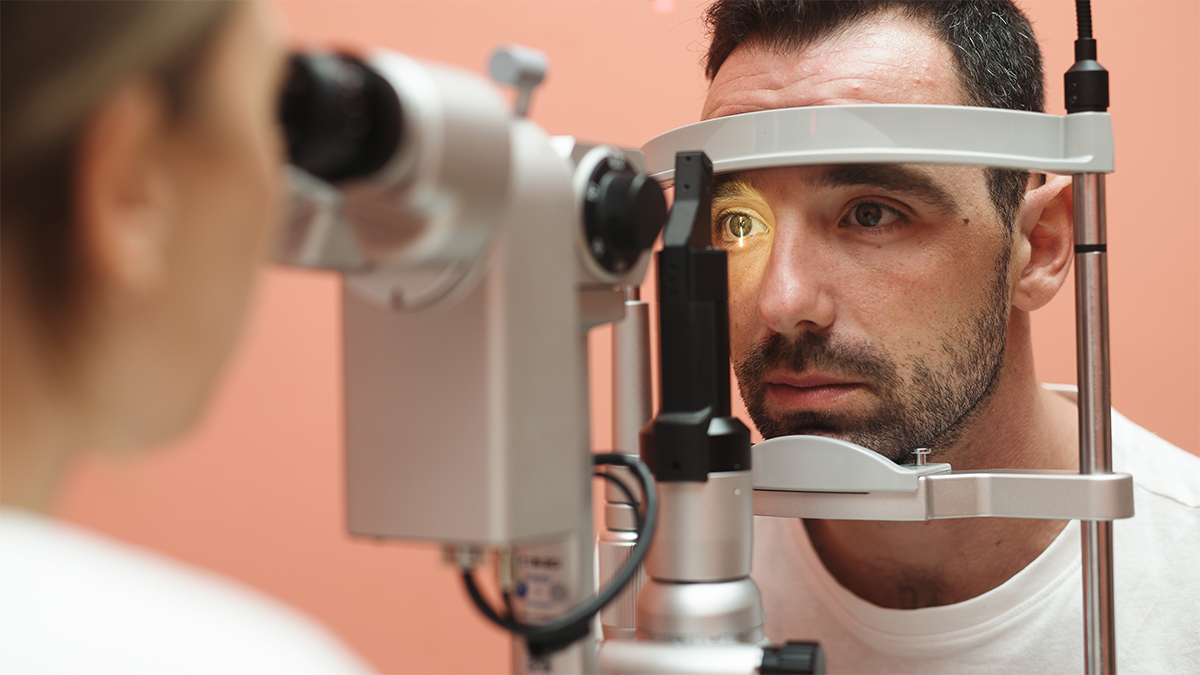
Getting the most out of your regular eye exam depends on asking specific questions. Not sure where to begin? Here are some ideas.
It’s an experience most people encounter at the doctor’s office: You’re nearing the end of your appointment, and the doctor asks, “Do you have any questions?” You want to take advantage of the short amount of time you have, but your mind goes blank.
Getting the most out of your regular eye exam depends on asking specific questions. Not sure where to begin? Here are some questions to start a productive conversation with your ophthalmologist — a physician who specializes in medical and surgical eye care.
- Am I at risk for eye disease? Several risk factors can increase the risk of developing eye disease, including family history, age, diabetes, smoking, high blood pressure, etc. Your ophthalmologist can help identify your personal eye health risks.
- I have other health issues. Can that affect my eyes? Several systemic diseases, including high blood pressure, heart disease, and diabetes can affect eyesight. Your ophthalmologist can tell you if your medical history puts your vision at risk. Don’t forget to include a list of all the medications and supplements you take. Account for everything, even over-the-counter drugs and supplements. Your ophthalmologist needs to know because many substances can change the effectiveness of a medication your ophthalmologist might prescribe.
- Why is this test being done? During a routine eye exam, your ophthalmologist will run tests to screen for eye diseases and visual impairment. This can include checking how your pupil responds to light, measuring your eye pressure to screen for diseases such as glaucoma, or dilating your eye to check the health of your retina. There are no bad questions. Ask away.
- Is this normal? Dealing with dry eyes? Noticing new floaters in your vision? Share these symptoms with your ophthalmologist. They can determine whether this is a normal part of aging or a sign of eye disease.
- Should I buy blue light-blocking glasses? What about eye vitamins? There are lots of myths out there about eyes and vision. Before buying blue light-blocking glasses or other over-the-counter products that are advertised as sight saving, get the facts from your ophthalmologist.
- What if my vision loss can’t be treated? There are times when medical treatment or a pair of glasses can’t fully correct significant visual impairment, making it difficult to perform everyday tasks. New advances in technology and modern visual rehabilitation can help most people with low vision maintain their independence and live full lives. Ask your ophthalmologist for a referral for low vision rehabilitation. Low vision rehabilitation services can connect you with tools and resources to help you find ways to continue to do tasks despite vision loss.
- My eyesight seems fine. Do I really need to come back? The American Academy of Ophthalmology recommends all adults get a comprehensive eye exam by age 40 and every year or two after age 65, even if your vision seems fine. That’s because leading causes of blindness can begin without any noticeable symptoms.
If the cost of an eye exam is a concern, the American Academy of Ophthalmology’s EyeCare America program may be able to help. Check if you qualify at www.eyecareamerica.org.
Lastly, bring a pen and paper or a digital device to take notes. Notes can help you keep track of the conversation and help you remember your ophthalmologist’s advice.
