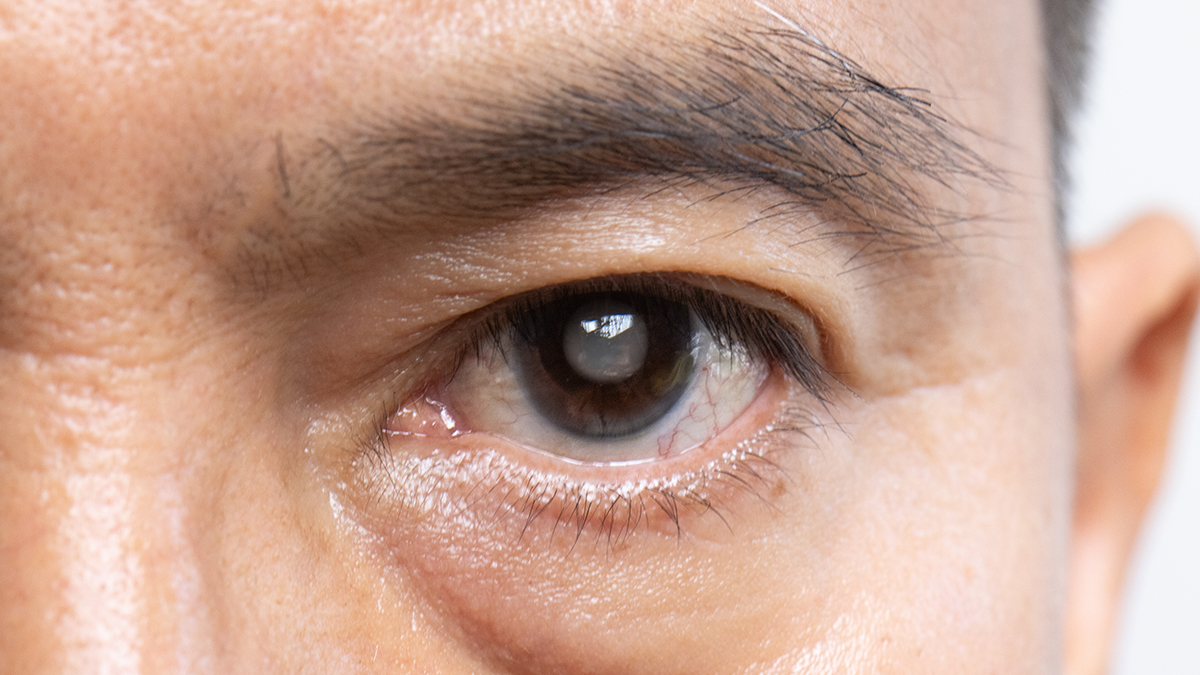
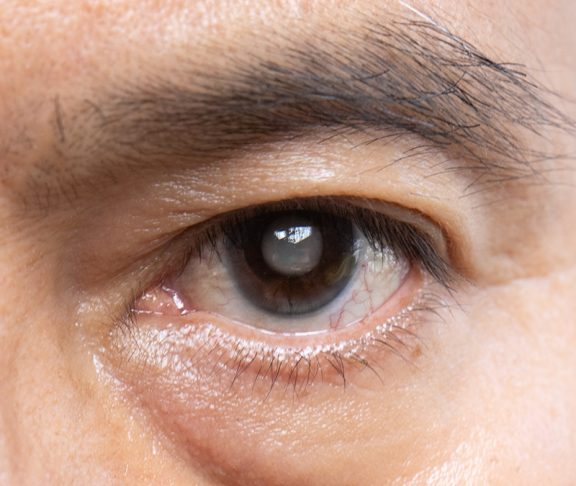
Age-related macular degeneration (AMD) is incurable, but understanding risk factors can make the important difference between prevention and permanent vision loss.
As we start to enter the golden years, we want to experience the magnificence of nature. Take in the beauty of your grandchild’s face. Read a book. Drive to the store. These are all simple delights that require good vision.
Age-related macular degeneration (AMD) is the leading cause of vision loss among individuals over the age of 50 and impacts an estimated 18 million people in the United States. This progressive eye disease is characterized by deterioration of the macula, a small, centralized area of the retina that gives us the ability to see fine details.
Risk factors
Age is the single greatest risk factor for AMD. Genetics can play a significant role. Individuals who have a parent or sibling with AMD are three times more likely to develop the disease than people without a family history. Smoking, obesity, cardiovascular disease, and a diet high in saturated fat also contribute to an increased risk.
Recognizing the symptoms
There are two types of AMD that determine the symptoms, severity and progression of the disease. Dry AMD is the most common form, impacting 90% of patients, and is characterized by the thinning of the macula. Vision loss tends to progress slowly and may begin to experience difficulty reading, seeing in dim or dark light, blurred central vision, and distortion of straight lines.
Wet AMD is the more severe form of the disease and is caused by the abnormal growth of blood vessels under the retina that leak blood and fluid, damaging the macula and sometimes causing retinal detachment. The onset of wet AMD can occur rapidly, leading to severe vision loss or blindness within a couple of years. Symptoms of wet AMD include the sudden loss of central vision, blind spots or dark areas, floaters or flashes of light, and difficulty recognizing faces.
Treating AMD
While there is currently no cure for AMD, advancements in treatment and innovative research provide hope for slowing the progression of vision loss and even restoring sight.
At the Retina Foundation, we examine the importance of various genetic markers for AMD, opening the door to many possible solutions. Most excitedly, we are currently exploring treatments using a patient’s own stem cells, as well as gene therapy and gene editing. We are conducting trials on an ocular drug delivery device to treat AMD that eliminates the need for eye injections and decreases the frequency of in-office visits. The device is placed on the surface of the eye, similar to a contact lens, and delivers medication in a slow-release method for up to one year.
Taking control of your eye health
There are things you can do today to help prevent or slow AMD in the future:
- Incorporate eye-healthy foods into your diet, such as fish, leafy green vegetables, carrots and sweet potatoes
- Stop smoking
- Attend yearly check-ups with your eye doctor — early intervention is important
- Know your family history of AMD and other eye diseases
- Get screened early for AMD and any eye diseases in your family; consider a genetic test (Please note that you can have the genetic marker and still never develop AMD.)
Once diagnosed with AMD, be proactive by educating yourself and seeking answers. At the Retina Foundation, we conduct clinical trials and studies to discover innovative solutions to AMD. Consider volunteering in a clinical trial. Keep up with the latest advancements in degenerative eye diseases. Your support and involvement could uncover answers to AMD that might reverse your vision loss and save sight for future generations.
