Our panel of experts discusses how dermatology is entering a new era of precision, access, and personalized care.
Jillian Frieder, M.D.
Board-Certified Dermatologist; Owner, Frieder Dermatology (Boca Raton, Fla.)
What recent breakthroughs have transformed the way dermatologists screen for, diagnose, and treat skin conditions?
There have been tremendous advancements in the field of dermatology with regard to screening, diagnosis, and treatment. We have seen extraordinary developments, particularly with new and more targeted therapeutics for a variety of skin conditions and skin cancers. Today, there are more than 30 targeted biologic therapies approved by the U.S. Food and Drug Administration (FDA) for numerous chronic skin conditions like psoriasis, atopic dermatitis, and hidradenitis suppurativa, offering patients unmatched skin clearance and significant improvements in their quality of life, while still maintaining great safety profiles. Notably, the availability of immunotherapies for advanced skin cancers like malignant melanoma and squamous cell carcinoma has significantly altered prognosis and survival. The rise of artificial intelligence in medicine is exciting, contributing to improved tools for detecting skin cancers earlier and with higher accuracy. Additionally, AI has led to increased patient care access through AI-integrated teledermatology platforms, which can assist with screening and triaging and are especially helpful for patients in underserved or rural areas.
How is dermatology moving toward more personalized care?
The “one size fits all” approach should not be used in medicine, and I believe a lot of this has to do with the new therapeutic options patients have at their disposal, allowing for more personalized treatment regimens. Dermatologists must look at the patient as a whole, accounting for individual lifestyles, environments, habits, and personal needs. Now that we have so many available treatments for so many different skin conditions, it’s important to take time to understand a patient’s needs and determine an appropriate treatment regimen that fits their individual requirements and preferences. Skin cancer is one area of dermatology that has immensely benefited from these advancements. Being able to identify specific skin tumor biomarkers allows us to use these as indicators to help diagnose, monitor, and treat advanced skin cancers. Additionally, genomic profiling can analyze an individual’s own tumor biology, which can assist with monitoring for signs of recurrence and metastasis. Looking at an individual’s specific tumor genetic makeup permits more precise prognostic data and can help determine which therapies may be more likely to be effective. Genetic testing can also help us understand how a person’s DNA impacts their risk for various skin conditions and cancers, and can help guide treatment regimens that are more effective and ideally more tolerable.
What innovations have made the biggest improvements in clinical decision-making?
Artificial intelligence (AI) is certainly impacting the field of dermatology, but it still has a long way to go in clinical practice. The overall objective with many of these AI systems is to help the clinician make faster and more accurate diagnoses and clinical decisions. There are numerous AI systems in development or on the market that can assist with more accurate diagnosis and classification of skin diseases and cancers. These automated systems are able to “learn” from clinical, dermoscopic, and histologic images in order to distinguish between benign and malignant lesions, helping the clinician decide whether a biopsy is necessary. Allowing for earlier detection of malignant lesions also leads to improved prognosis and overall survival. These AI systems can be particularly useful for non-dermatologists to help identify which patients in the primary care setting require a dermatology referral, while also helping to reduce unnecessary referrals.
What technological advancements have done the most to bridge access gaps in pediatric dermatologic care?
One of the greatest advancements in terms of improving access to dermatologic care has been teledermatology. This allows patients from rural, underserved areas — or elderly patients who have difficulty with transportation — to be evaluated by a dermatologist without having to travel long distances. Teledermatology enables patients to share images of skin conditions or worrisome lesions, which a dermatologist can view and determine if the patient needs to be seen in person or can be managed remotely. This platform has led to reduced healthcare costs and more efficient and timely patient management. There can, of course, be limitations with teledermatology, as some conditions or skin lesions are best evaluated in person.
Billie Cassé, D.O.
Board-Certified Dermatologist; Owner, Reno Tahoe Dermatology
What recent breakthroughs have transformed the way dermatologists screen for, diagnose, and treat skin conditions?
Advances in medicine in general have been great, but I couldn’t be more excited about some of the breakthroughs in dermatology. One of the biggest has been new treatments and medications for various skin conditions. Biologics and immunotherapies like JAK inhibitors have given people their skin back from many immunologic diseases, such as psoriasis, atopic dermatitis, alopecia areata, bullous pemphigoid, and vitiligo. Advanced dermoscopic devices and genetic studies are helping us identify skin cancers earlier and transforming disease management by assisting in prognosis and guiding treatment. Image-Guided Superficial Radiation Therapy, or IGSRT, has given us a noninvasive treatment option for nonmelanoma skin cancers like basal cell carcinoma and squamous cell carcinoma. This treatment is highly effective, with over a 99% cure rate — no bleeding, no surgery, and no downtime.
How is dermatology moving toward more personalized care?
The one-size-fits-all model is over. The advances in treatment options for skin disease allow us to navigate the right option for disease clearance. Similarly, advances in cosmeceuticals and devices such as various lasers, radiofrequency, and ultherapy, to name a few, allow us to personalize a treatment program for the aging patient, the acne patient, or someone with more sensitive skin who is looking to improve their appearance.
What innovations have made the biggest improvements in clinical decision-making?
Imaging devices such as dermoscopy, confocal microscopy, and optical coherence tomography.
What technological advancements have done the most to bridge access gaps in pediatric dermatologic care?
Teledermatology has given people in rural areas, or those unable to get to a dermatologist, access to treatment over a platform that was not available before.
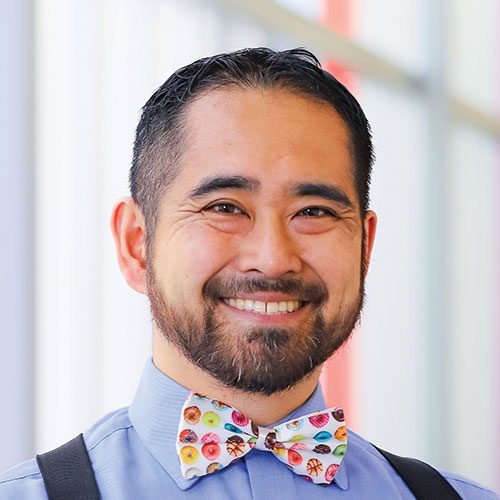
Joseph Lam, M.D.
Spokesperson, Society for Pediatric Dermatology; Clinical Professor, Department of Pediatrics, BC Children’s Hospital; Associate Member, Department of Dermatology and Skin Sciences, University of British Columbia
What recent breakthroughs have transformed the way pediatric dermatologists screen for, diagnose, and treat skin conditions?
One field that has seen leaps and bounds in terms of treatment is atopic dermatitis. It wasn’t that long ago that we only had topical corticosteroids as our mainstay of therapy, with the option of topical calcineurin inhibitors. However, a subset of patients has severe disease that needs advanced therapies. In the past, we only had off-label options like low-dose methotrexate. Now, we have a host of novel topical agents — like aryl hydrocarbon receptor agonists, phosphodiesterase 4 inhibitors, and JAK inhibitors — and systemic agents, like oral JAK inhibitors and biologics that target IL-4, IL-13, and IL-31, on-label for atopic dermatitis.
An exciting area of screening and diagnosis is the use of high-frequency ultrasound in pediatric dermatology. While most practices do not use this routinely, its use was highlighted by Dr. Angela Hernández-Martín at the most recent Society for Pediatric Dermatology meeting in 2025. She outlined how high-frequency ultrasound is helpful in complex skin and soft tissue conditions.
How is pediatric dermatology moving toward more personalized care?
One way pediatric dermatology is moving toward more personalized care is through the decreasing cost and expanding knowledge base associated with genetic testing of inherited skin disorders. For example, for epidermal differentiation disorders (formerly known as the ichthyoses), next-generation sequencing helps enable diagnostic certainty and access to genome-guided targeted therapies, as well as identifying new and distinct genetic variants.
What innovations have made the biggest improvements in clinical decision-making?
It would be hard to talk about innovative technologies in 2026 without mentioning artificial intelligence. While it does not appear to be widely used in pediatric dermatology, there are studies looking at how AI can help improve diagnostic accuracy. In a 2021 study — before the launch of ChatGPT in 2022 — AI assistance was significantly associated with higher agreement with diagnoses made by a dermatologist panel, with an increase from 48% to 58% for primary care physicians and an increase from 46% to 58% for nurse practitioners. These outcomes correspond to a benefit for 1 in every 8 to 10 cases.
In the ChatGPT era, one study looked at the diagnostic accuracy of a consultant physician, a resident physician, and various AI models (ChatGPT-5, Gemini, Copilot) in diagnosing pediatric exanthematous diseases. The AI models were tasked with making a diagnosis based solely on cutaneous images and subsequently with both images and accompanying clinical findings. When benchmarked against the definitive diagnosis, the consultant achieved the highest diagnostic accuracy (96.6%), followed by ChatGPT with clinical data (86.9%), Copilot with clinical data (81.4%), Gemini with clinical data (78.7%), and the resident physician (72.5%). This has the potential to help — but not replace — clinical decision-making.
What technological advancements have done the most to bridge access gaps in pediatric dermatologic care?
The advent of teledermatology. In the past, we mostly used store-and-forward, or asynchronous, teledermatology. However, after COVID-19, this has expanded, as has the use of live interactive (synchronous) models.
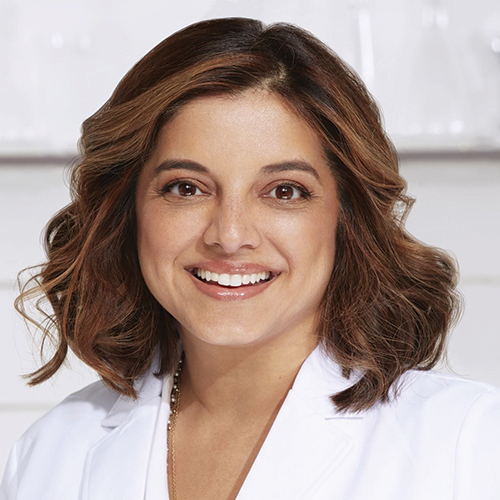
Kavita Mariwalla, M.D.
President, American Society for Dermatologic Surgery; Double Board Certified Dermatologist; Mohs Surgeon; Founder, Mariwalla Dermatology
What recent breakthroughs have transformed the way dermatologists screen for, diagnose, and treat skin conditions in recent years?
Genetic markers of tissue in the skin cancer space have helped us to predict the behavior of tumors more accurately, which has been a tremendous help. In the regenerative medicine and longevity space, the use of biologic clocks has certainly been interesting because it helps us assess whether the patient’s chronologic age matches their skin age and, if not, how we can improve their health.
How is dermatology moving toward more personalized care?
On the aesthetic side, there are companies that are trying to preserve an individual’s stem-cell-rich material harvested from their hair follicles for use in the future. In general, we are looking more at healthspan clocks and biologic clocks to try to make recommendations for individuals, taking into account their own personal history of things like stress, UV damage, and environmental stressors on their bodies. Biomarkers have and will continue to be important indicators of medication efficacy, and I see this only expanding in the coming years.
What innovations have made the biggest improvements in clinical decision-making?
The elephant in the room is AI, but I think one still needs the art to the science of medicine to really treat patients comprehensively. The output of AI is very dependent on the inputs, and taking a history from a patient is not always cut and dry. In other words, AI considers factors in a binary “yes/no” track. Clinical decision-making isn’t just about numbers but also about symptoms in the context of the patient. AI has certainly made things easier and has allowed us to automate things like letters to insurers to help physicians fight for patient medications. One area that is helpful is image recognition, again by AI, that can sometimes help us broaden our differential when a rash stumps us clinically.
What technological advancements have done the most to bridge access gaps in pediatric dermatologic care?
Telehealth has been extremely helpful in gaining access to physicians regardless of where you live. More than that, I think some of the advancements in certain disease states have really changed the way we treat patients, especially in the areas of psoriasis, eczema, hair loss, melanoma, and vitiligo. In the aesthetic space, digital imaging has allowed us to walk the aesthetic transformation journey with patients well before a needle is even placed into the skin. That has helped us with patient expectations and allows them to better understand what treatments can do for them.
