Clinical trials often exist at just one hospital in the country, forcing parents into an agonizing choice of uprooting their lives or missing opportunities.
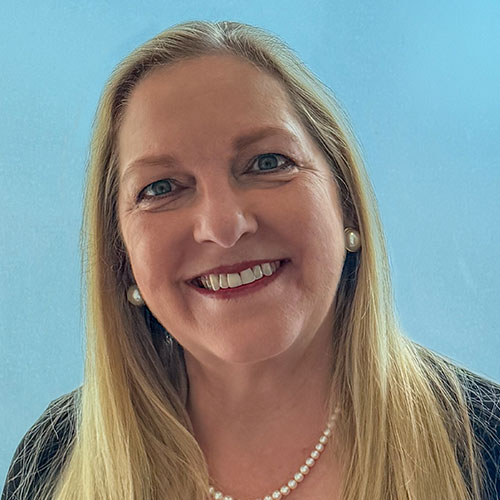
Dawn Zachman
Chief Growth and Impact Officer, National Pediatric Cancer Foundation
When a child is diagnosed with cancer, families enter a world they never expected — one filled with urgent decisions, unfamiliar medical language, and a level of fear that reshapes every part of life. But many parents quickly discover another devastating truth: The fight for their child’s survival is shaped not only by medicine, but by access, geography, and the stark underfunding of pediatric cancer research.
Children represent a small fraction of cancer patients, and their diseases are biologically distinct from adult cancers. Yet, only 4% of federal cancer research funding is directed toward pediatric cancers. As a result, many rare and aggressive childhood cancers have few proven treatment options, forcing families to search for lifesaving clinical trials that may offer the only hope for progress.
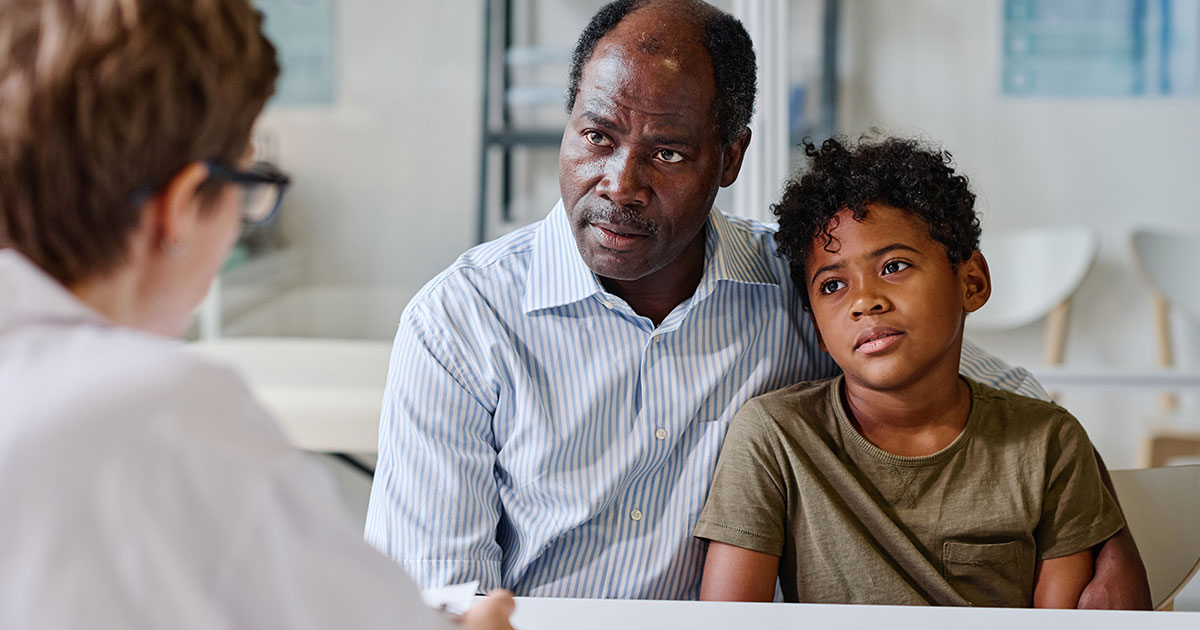
Clinical trials often exist at just one hospital in the country. This forces parents into an agonizing choice of uprooting their lives for months, leaving behind siblings, schools, and support networks, or staying home and risking missing an opportunity that may not come again. For many families, relocation simply isn’t possible.
Collaborative research models
This is why collaborative research models are transforming what is possible in pediatric oncology. One leading example is the National Pediatric Cancer Foundation’s Sunshine Research Consortium, a unified network of 35 hospitals working together to accelerate childhood cancer breakthroughs. Each year, the foundation convenes more than 100 doctors, researchers, and scientists to identify promising ideas, eliminate redundancy, and design clinical trials that multiple institutions can open simultaneously.
For families, the impact is profound. Once a trial is approved through the consortium, children often don’t need to travel to the hospital where it originated. They can enroll at a partner institution closer to home, allowing parents to remain employed, siblings to stay in school, and families to stay connected to their support system as they navigate the most difficult moments of their lives.
Researchers also recognize the power of this model.
“For a disease like pediatric cancer, no single institution can see enough patients to make a real, tangible difference or impact,” said Elias Sayour, M.D., Sunshine Project site principal investigator at the University of Florida. “We need several institutions working hand in hand with each other. When I see what the Sunshine Project is accomplishing, it’s inspiring and makes me feel a part of something much greater.”
Strengthening philanthropy through collaboration
The collaborative approach strengthens philanthropy, too. Instead of supporting a single hospital working independently, donations directed to a specific type of childhood cancer can be amplified across multiple institutions pursuing the same breakthrough. Every dollar stretches further when researchers move in unison rather than alone.
The path ahead is still steep, but models like this offer something that has been missing for too long: hope paired with access; innovation paired with compassion. When hospitals work together, and families no longer must choose between care and stability, we move closer to a future where every child, regardless of geography or circumstance, has a fighting chance.
