

Ten years ago, babies born with spinal muscular atrophy (SMA) rarely lived past their second birthday. Today, thanks to breakthrough treatments, some of those same children are walking, attending school, and imagining their futures.
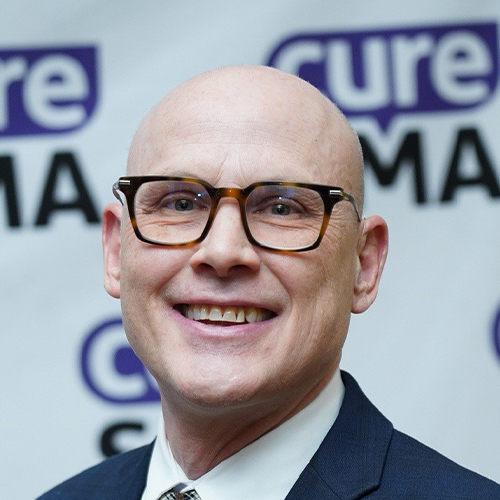
Maynard Friesz
Vice President of Policy & Advocacy, Cure SMA
Once the leading genetic cause of infant death, SMA is no longer a death sentence, but living longer has introduced new challenges that must now be addressed.
SMA affects about 1 in 15,000 babies born in the United States and touches families in all 50 states. The rare neuromuscular disease weakens muscles used for breathing, eating, crawling, and walking. Just a decade ago, children born with the most severe form of SMA often did not survive early childhood. Today, access to treatments has dramatically changed that outlook, with the SMA mortality rate dropping by roughly 80%.

Early diagnosis is critical
Research shows that timing matters. Babies with the most severe form of SMA who receive treatment within the first two weeks of life have extraordinary outcomes. Studies supported by Cure SMA show that 100% of these infants were able to walk independently by age two. In contrast, those treated after three months of age rarely reached that milestone. These findings highlight the importance of early diagnosis and continued investment in research.
At the same time, the largest group of people living with SMA today are those who experienced muscle and nerve loss before treatments became available. As a result, many live with lasting physical limitations. About 73% of people with SMA rely on power wheelchairs, and 85% of adults with SMA depend on a caregiver for daily support. Current treatments can slow or stop disease progression, but they cannot reverse existing damage, underscoring the need for therapies that restore function and address long-term health needs.
Financial and policy challenges
Medical progress alone is not enough. Many people with SMA face outdated policies and systems that limit independence and financial security. Nearly 1 in 5 SMA households live on less than $20,000 a year, and some adults report food insecurity, unstable housing, or skipped medications and medical appointments due to cost. Federal rules often restrict how much individuals with disabilities can earn or save without losing essential benefits, including caregiving support.
Accessibility presents additional barriers. With nearly three-quarters of people with SMA using power wheelchairs, inaccessible healthcare facilities, housing, and public transportation can be life-limiting. Air travel remains especially challenging, as mobility devices are often damaged when required to be checked like luggage.
Innovation and the future
Technology and innovation are helping bridge some of these gaps. Robotic arms that assist with eating, eye-gaze systems that enable communication, and other assistive tools already make daily tasks easier. Looking ahead, accessible autonomous vehicles and advanced robotics could dramatically improve mobility and independence if people with disabilities are included from the earliest stages of design.
Scientific breakthroughs have transformed what it means to live with SMA. With continued research, smarter public policy, and inclusive innovation, the future holds even greater promise, one where people with SMA not only survive but thrive.
Cure SMA is the leading organization representing individuals and families impacted by spinal muscular atrophy. To learn more, visit CureSMA.org.
