Across the United States, 1 in 10 individuals are affected by rare diseases, yet our healthcare system still isn’t built to serve rare disease patients.
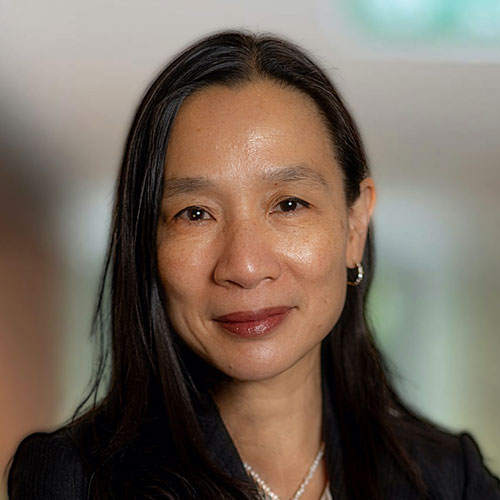
Charlene Son Rigby
CEO, Global Genes
Every family living with a rare disease has a story, and nearly all begin the same way: with questions that take years to answer.
Across the United States, 1 in 10 individuals is affected by a rare disease. This is 30 million Americans — a larger number than those affected by cancer. Yet, most Americans have never heard this statistic, and our healthcare system still isn’t built to serve rare disease patients.
The road to diagnosis averages six years — six years of unanswered tests, mounting medical bills, misdiagnoses, and profound isolation. When an answer finally comes, families face another sobering reality: 95% of rare diseases have no approved treatment. Families are left to navigate a fragmented system, often paying out-of-pocket for specialists, genetic testing, or experimental care.
Patients as partners
These are not just medical challenges; they are human ones. Patients become advocates, testifying before regulators and fundraising for clinical trials. Parents become researchers, poring over scientific articles late into the night. Communities form from necessity and love, not luxury. Behind every discovery in rare disease is a family that refused to give up, and behind many breakthroughs in modern medicine are lessons first learned through rare disease science.
At Global Genes, we’ve seen this transformation firsthand through our work over the last two decades, and most recently through our work to highlight the criticality of patient advocates involved in research through our Early and Often work. When patients and caregivers are engaged early in the research process and remain active partners throughout, diagnostic journeys shorten, research becomes more inclusive, and treatments reach people sooner. Early and Often, the white paper, represents a fundamental shift: from patients as subjects to patients as partners, co-creating solutions with scientists, clinicians, and industry.
Building a better system
For families facing ultrarare diseases — conditions affecting perhaps dozens of people globally — the path can be even more daunting. There may be no research, no clinical trials, no pharmaceutical company interested in developing a therapy.
So, today’s rare disease patients and patient organizations are jumping in to fund research, run natural history studies, hire scientists, and in some cases, launch biotech companies. For families on this journey, success takes scientific knowledge, funding, credibility, and courage through an extremely challenging process. Yet, families are proving that even the rarest diseases can become treatable.
Behind many breakthroughs in modern medicine are lessons first learned in rare disease science. Gene therapy, personalized medicine, patient-driven research — these innovations emerged from the rare disease community’s refusal to accept “nothing can be done.”
These families aren’t just fighting for their own children. They’re building a healthcare system that works for everyone — one that listens to patients, values lived experience, and refuses to leave anyone behind.
Learn more about patient-partnered research at globalgenes.org.
