

Rare diseases affect more than 400 million people globally, yet the vast majority still lack approved treatments. AI may be able to improve outcomes for these rare patients.
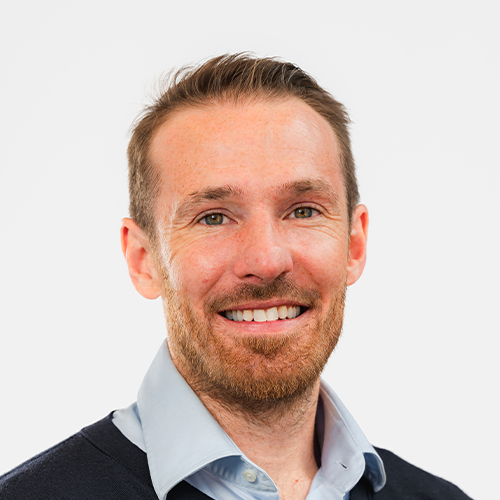
Tim Guilliams
Co-Founder and CEO, Healx Ltd
One of the biggest challenges facing rare disease patients is that many conditions are poorly understood at a biological level, making traditional drug discovery slow and uncertain.
Artificial intelligence is beginning to change that. By analyzing complex biological, clinical, and patient-derived data, AI can uncover disease mechanisms and therapeutic opportunities that would be difficult to identify using conventional approaches alone. This systems-level understanding is particularly powerful in rare diseases, where validated drug targets are often missing.
At Healx, an AI-enabled rare disease biotech, this approach is already being translated into the clinic. By combining AI-driven discovery with deep partnerships across patient foundations and clinical experts, Healx is advancing first-in-class therapies designed around the needs of patients — not just the disease.
For the rare disease community, the opportunity is clear: When advanced technology, human expertise, and patient insight come together, scientific breakthroughs can move faster and deliver meaningful improvements in patient outcomes.
