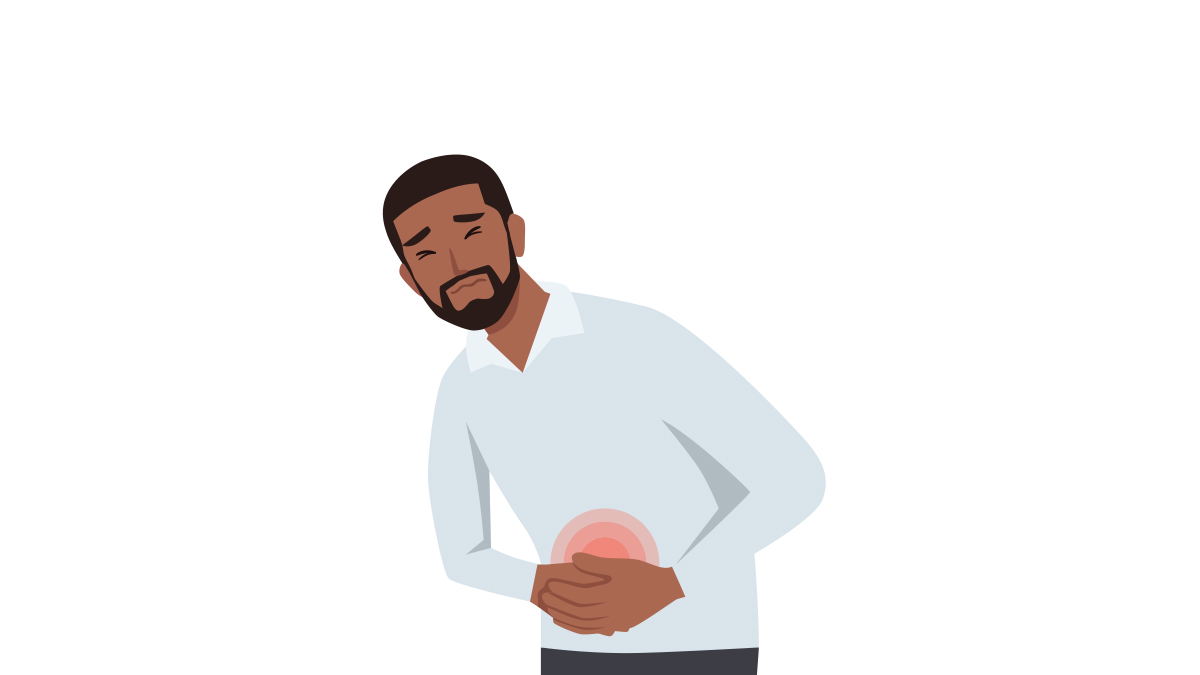
Imagine having pain every time you urinate, a constant pressure in your pelvic area, or even pain during ejaculation. For many men with interstitial cystitis (IC), also known as bladder pain syndrome (BPS), this is their daily reality. Yet, few people, even within the medical community, are aware of this debilitating condition, leaving many men undiagnosed or misdiagnosed.
The American Urological Association defines IC/BPS as “an unpleasant sensation (pain, pressure, discomfort) perceived to be related to the urinary bladder, associated with lower urinary tract symptoms of more than six weeks duration, in the absence of infection or other identifiable causes.” Symptoms can vary widely. Some men feel a sharp, burning pain in their bladder or urethra, experience a constant urge to urinate, and may suffer from scrotal pain or painful ejaculation.
Symptoms and treatment of interstitial cystitis
The cause of IC/BPS remains a mystery, although researchers believe it’s likely due to multiple factors. To complicate matters further, IC/BPS isn’t a one-size-fits-all diagnosis. Within this condition, there are distinct subtypes, or “phenotypes.” For example, some patients have visible lesions in the bladder known as Hunner lesions, while others have low bladder capacity. A third group experiences widespread pain, where bladder issues are just one part of a larger problem involving an overactive nervous system. Many men fall into more than one category, making diagnosis and treatment even more complex.
IC/BPS is not as rare as you might think. Studies estimate that 1.9% to 4.2% of adult men in the U.S., roughly 2.1 to 4.6 million men, suffer from this condition. It can develop at any age, but symptoms most often start between 30 and 70 years old. Unfortunately, diagnosing IC/BPS in men can be particularly challenging. Many men (and their doctors) initially assume that symptoms like pelvic pain or urinary urgency are related to prostate issues. This can lead to months or even years of misdiagnosis, delaying proper treatment.
Treatment options for IC/BPS are as varied as its symptoms. For some, stress management, dietary changes, and pelvic floor physical therapy can reduce symptoms. Pain management techniques, such as psychotherapy, can help patients cope with the emotional toll of living with constant discomfort. Oral medications, bladder instillations (where drugs are delivered directly into the bladder), and neuromodulation (a therapy that alters nerve activity) are also available. Researchers are constantly exploring new treatments, though much remains to be done.
The impact of interstitial cystitis
The impact of IC/BPS on a man’s life is profound. Many patients report depression and anxiety caused by the condition. Sexual dysfunction is another common issue, affecting up to 60% of men with IC/BPS. These emotional and physical burdens can leave men feeling isolated and unheard, especially when so little public awareness exists about their condition.
It’s time to shed light on this misunderstood illness. Men with IC/BPS deserve more than just a diagnosis; they deserve compassion, research, and better treatment options. Awareness is the first step toward ensuring they receive the help they need.
If you or someone you know is experiencing persistent pelvic pain or urinary issues, don’t ignore it. Seek help from a healthcare provider familiar with IC/BPS. To find a provider and learn more, connect with the Interstitial Cystitis Association, the only national nonprofit organization in the United States dedicated to the IC/BPS community. The road to diagnosis and treatment may be challenging, but it is possible to find relief and regain quality of life.
