

Nearly 50 million Americans had a substance use disorder in 2024 – about one in six people. Nearly 113 million more are affected by someone else’s addiction. These are our family members, friends, and neighbors. This Mental Health Awareness Month, we can’t afford to talk about mental health without also confronting the disease of addiction. We struggled with addiction for years before finding recovery, and we stand as a proof that recovery is real.
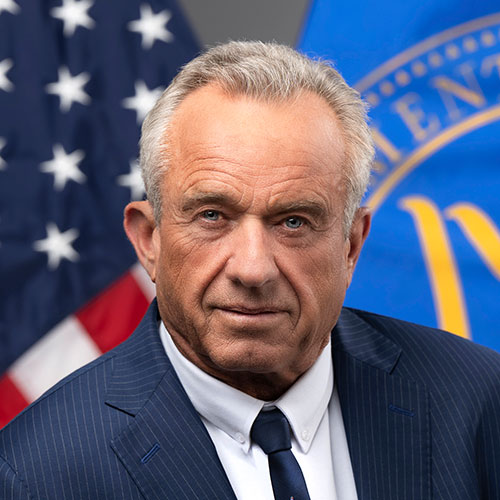
Robert F. Kennedy, Jr.
Secretary, U.S. Department of Health and Human Services
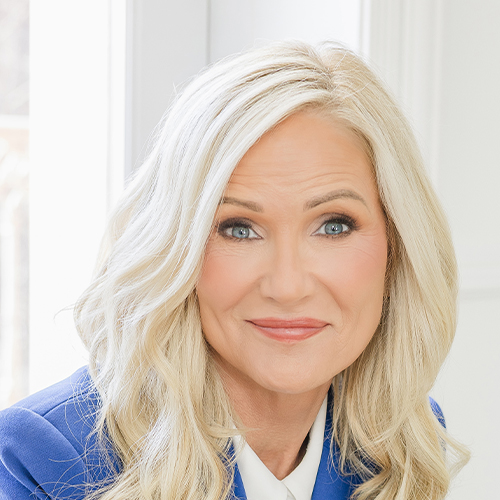
Kathryn Burgum
Co-Chair of the Great American Recovery Initiative and Senior Advisor for Addiction Recovery, U.S. Department of Health and Human Services
This isn’t off topic. Mental health and substance use are closely intertwined. People with mental illness use substances at higher rates and are at greater risk of developing an addiction, otherwise known as substance use disorders or the chronic disease of addiction.
And to be clear, our country is in the midst of an addiction crisis. Illicit drugs are devastating communities and killing Americans.
Addiction keeps people out of work and increases healthcare costs, exacerbates homelessness, and contributes to family instability, crime, and lost productivity. This is costing the United States billions of dollars every year. The sad reality is a majority of people who could benefit from life-saving treatment do not get it.
The Trump Administration has made our recovery a priority. To get there, we must focus on root causes and contributing factors, including serious mental illness and homelessness, and fix the broken systems that keep people from finding recovery.
Overlapping crises: mental health, addiction, and homelessness
The numbers don’t lie. In 2024, 21 million Americans reported having both a mental illness and a substance use disorder. Among the 14.6 million adults with serious mental illness, nearly half also had the chronic disease of addiction.
This affects kids, too. Young people who have major depressive episodes or severe anxiety are significantly more likely to use opioids, alcohol, and marijuana than those who don’t.
Mental illness and substance use are also common among individuals experiencing homelessness. One study out of California showed two-thirds of people experiencing homelessness reported having a mental illness, but only a quarter of them got treatment. Half reported using illicit drugs or alcohol, but only eight percent received treatment.
Not everyone who struggles with mental illness develops addiction. Not everyone with an addiction has a mental illness. Not everyone with these issues becomes homeless.
But we know these threads are connected, and for too long our systems have failed to reflect that reality. We’ve created fragments instead of pathways and adopted policies that shift the focus away from resilience and self-sufficiency – key ingredients for long-term success. It is time to change course.
The Great American Recovery Initiative
In January, President Trump announced the Great American Recovery Initiative, a bold plan that coordinates a national response to chronic disease of addiction across government, healthcare, faith communities, and the private sector. Its goal is to save lives, restore families, and strengthen our communities.
The U.S. Department of Health and Human Services is all in. We’re removing the barriers to recovery, tackling the root causes of addiction, eliminate stigma, and strengthening community health and safety by expanding evidence-based treatment that prioritizes recovery, stability, and self-sufficiency.
Central to this is a new $100 million Substance Abuse and Mental Health Services Administration program called Safety Through Recovery, Engagement, and Evidence-based Treatment and Supports (STREETS). It will fund targeted outreach, psychiatric care, for addiction treatment, recovery support services, medical stabilization, and crisis intervention, while connecting Americans experiencing homelessness to stable housing. Ultimately, this program aims to promote long-term recovery and independence.
Find your path to recovery
We should all celebrate recovery and its power to transform Americans’ lives, including for those struggling with mental illness.
To seek treatment for addiction, mental illness, or both, visit Findtreatment.gov. If you need immediate help, contact the 988 Suicide & Crisis Lifeline. Crisis counselors are available, 24-hours a day/7 days a week.
