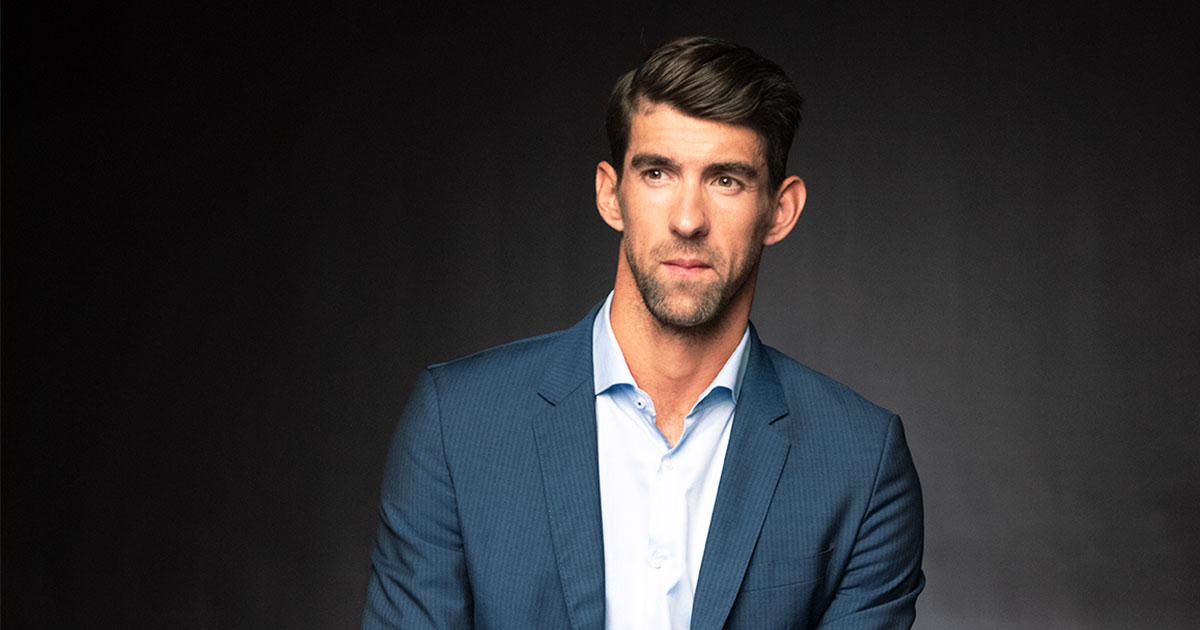
A decade after going public about his own mental health struggles, Olympic champion Michael Phelps has turned his focus to advocating for younger generations.
Many remember Michael Phelps as the five-time Olympian, wearing a Speedo, a swim cap, and goggles. These days, he looks a bit different. He sports long hair in a bun and an unruly beard. He spends most of his time chasing around his four sons.
But there’s one thing that hasn’t changed for the 23-time Olympic gold medalist: his journey with mental health.
Ten years ago, Phelps came forward about his struggle with anxiety and depression. A decade later, he’s still advocating for greater awareness and treatment, especially among younger generations.
Ten years later
Phelps remembers the first interview where he talked about his mental health. Ten years later, he still experiences “the room closing in” from panic attacks.
“I still go on downward spirals, and I still have dark moments or dark days,” he said, “but I’m very well equipped now with tools that I didn’t have 10 years ago.”
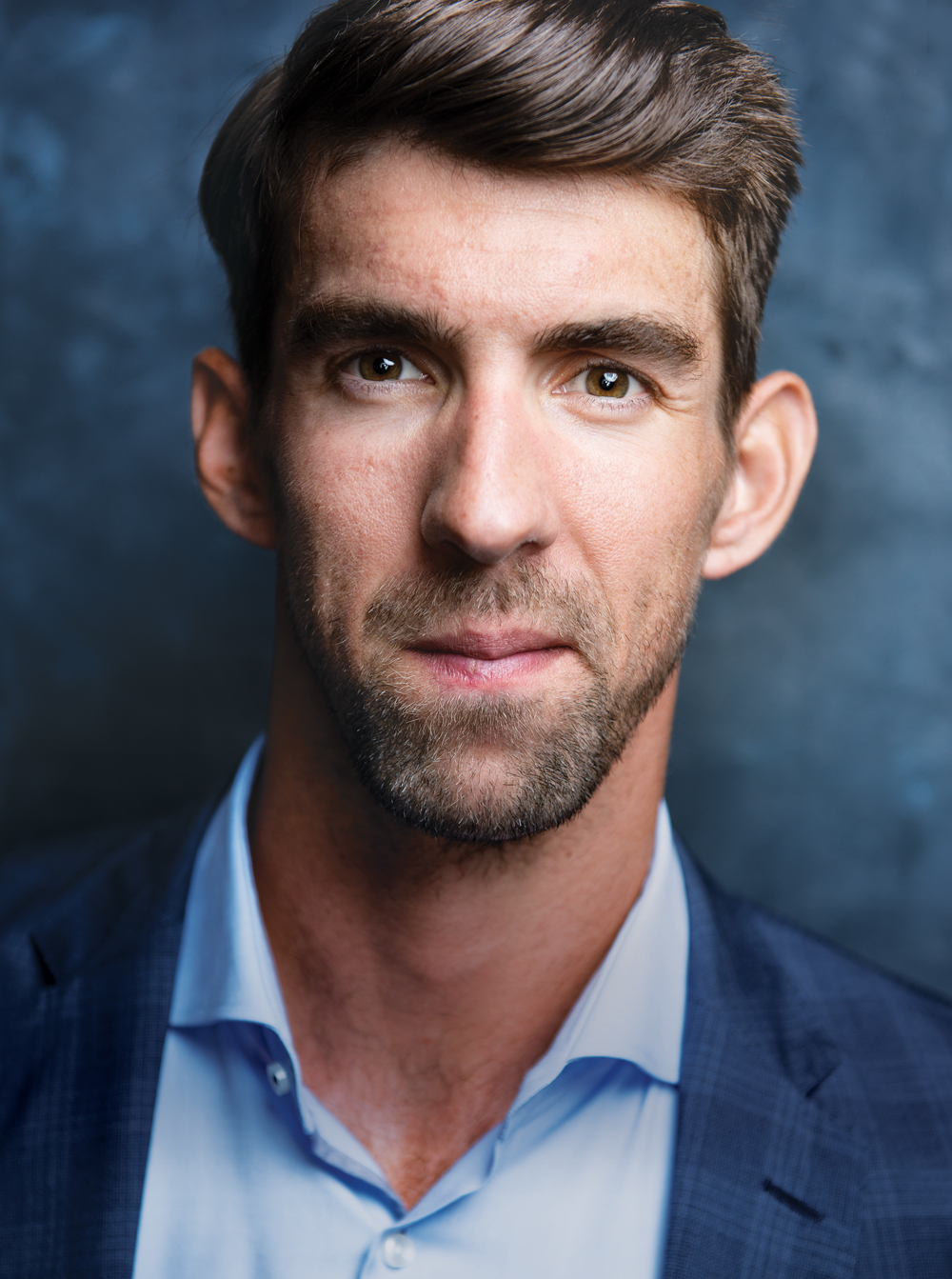
Phelps has a better support system now, including his wife and friends, whom he often turns to whenever he’s struggling. In the past, he kept everything inside and compartmentalized his emotions.
“Sharing and talking about those feelings and what you’re experiencing helps you lower your shoulders a bit,” he said. “My wife has been a massive part of that. She’s there to help. She is my best friend. Being able to always have that support is important.”
Parenting and mental health
Phelps is also focused on mental health as he raises his four sons.
“My kids are everything,” he said. “Growing up without a dad around makes me want to be around them more. I want to teach them and help mold them into whatever they want to be.”
Phelps now takes the time to teach them the importance of talking about their thoughts and feelings.
“Their emotions get super big,” Phelps said of his sons. “We started this thing called a lion breath. They take a deep breath and roar and scream like a lion.”
He says this technique helps them pause, breathe, and let it all out. Phelps also takes the family to equine therapy because it requires mindfulness and being in the moment.
Phelps said he would never have been able to help his kids through their own mental health journeys if he had not gotten the treatment he needed a decade ago.
Helping athletes be their best selves
“In 2016, I was carrying the flag in the opening ceremonies, and I could see it written across some other athletes’ faces that they were struggling the same way that I was,” he said.
Now, he’s working with younger athletes to prioritize their mental health so they can be the best versions of themselves while playing their sports. He said it’s especially important to talk to male athletes because they often see emotions as a weakness that competitors can exploit.
His most important tip for athletes? “Control your controllables.” He said training is one thing an athlete can control, and so is their mental health.
Phelps now sees his job not as an athlete but as a mental health advocate for younger generations.
“I was a swimmer. I was somebody who was winning gold medals. That part is gone and no longer who I am. It’s a part of me, but it’s not who I identify as today,” Phelps said. “I don’t say I’m a 23-time Olympic gold medalist. I say I’m a human being. My name is Michael Phelps, and that’s it.”
