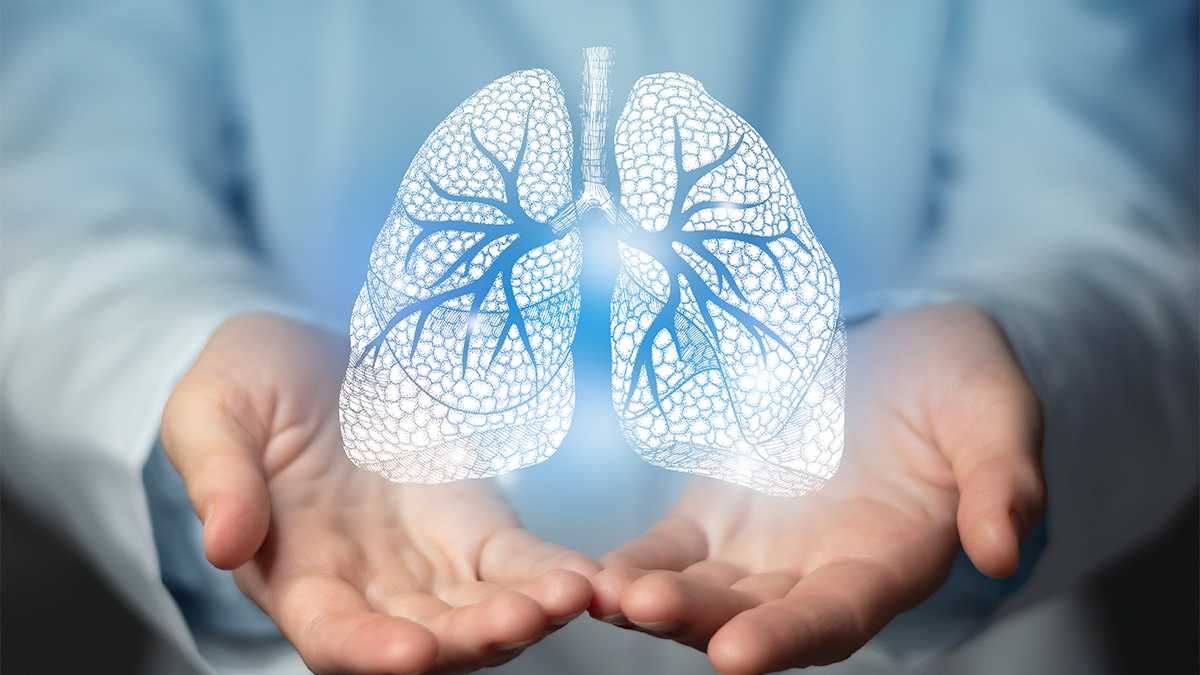
Ravi Kalhan, M.D., M.S., professor of medicine at Northwestern University Feinberg School of Medicine, shares his insights for empowering healthcare and prevention for patients with obstructive lung diseases.

Ravi Kalhan, M.D., M.S.
Professor of Medicine, Northwestern University Feinberg School of Medicine
What innovations excite you when it comes to advancing patient-centered health care for asthma or advanced chronic obstructive pulmonary disease (COPD) patients?
In the COPD and asthma space, there’s been this notion held by patients — and I think health care providers too — that inhaled medicine is called an inhaler but doesn’t always get called a medicine. There’s not much expectation for doing anything for someone.
Yet, there’s a lot of evidence that applying the right medicine to the right patient and including the patient in an explanation for why we’re using that medicine and what we expect to happen when they take it has a major impact on the condition. We need to do better from the health care delivery side about engaging our patients in the goals of managing these diseases.
For example, with asthma and COPD, there’s a huge body of evidence that specific medicines that target specific biologic pathways, like personalized medicine for a number of people, can reduce the number of flare-ups that these patients experience in a year, as well as dramatically improve their quality of life. But it takes work to understand who the right person is, open their mind to how these options work for them, and then deliver the appropriate medicine.
We’re at this inflection point where we finally have things available that can help a lot of people, but we need to do the hard work of actually incorporating that paradigm into our care delivery.
Have there been any effective strategies to empower patients in their decision-making?
I think the issue of exacerbations or flare-ups with these conditions is so important to magnify as not just being part of having the condition but that they’re preventable. There is a huge reason to prevent them, because flare-ups are associated with permanent declines in lung function. They do get in the way of quality of life, result in future health care utilization burdens, and actually kill people.
That kind of education is really important for patients living with asthma and COPD. A lot of my patients have come to accept that those things just happen — if you have asthma, you’re going to have flare-ups, and sometimes, you’ll need steroids. If you have COPD, there are days where you just feel terrible.
But there are ways to prevent those things. The burden here is on providers who haven’t thoughtfully educated their patients about how we can modify the course of the disease by preventing those symptoms.
Biologics are newer discoveries in this space. Can you explain what those are?
Because of the amazing discovery science that’s been done over the years, we now have a really clear understanding of some of these conditions — what causes inflammation in the lungs to become uncontrolled and worsen these diseases.
There are specific molecules in the body that get activated along specific biologic pathways that are associated with risk of flare-ups and worsening disease. It turns out, you can target these specific molecules in the body and block them from conducting their business.
It’s important, because for the longest time, all we did was treat with these global anti-inflammatory drugs (steroids) which block everything, and things that block everything cause a lot of side effects. The side effects of steroids are really, really bad. They have negative health consequences.
But if you can then refine what you’re blocking to be the actual thing that’s causing the problem and much less all these other things that are not causing a problem, you can modify the disease without causing accompanying side effects. You actually have better effects on disease modification.
So that’s what these biologics do. They use new technology, usually antibodies, that bind up the bad actor and prevent it from doing its business. It’s like instead of hitting a thumbtack with a sledgehammer, you’re actually using your thumb to put it where it’s supposed to be.
Is there a key message that you have for patients or caregivers that are living with asthma or COPD?
It’s treatable. So enter conversations with the health care system and providers with, “What can you actually treat me with?” If patients have respiratory symptoms, they should bring them to the attention of their health care provider, because there are things to do for most lung diseases.
I think there’s a bigger conversation in the public health arena that we need to have about actually preventing lung disease. The improvements in cardiovascular disease that have taken place in society are because of better treatments of cardiovascular disease. We’re there with lung disease, but it’s also because of prevention and interception. That’s really the future of where we need to be with respiratory medicine.
