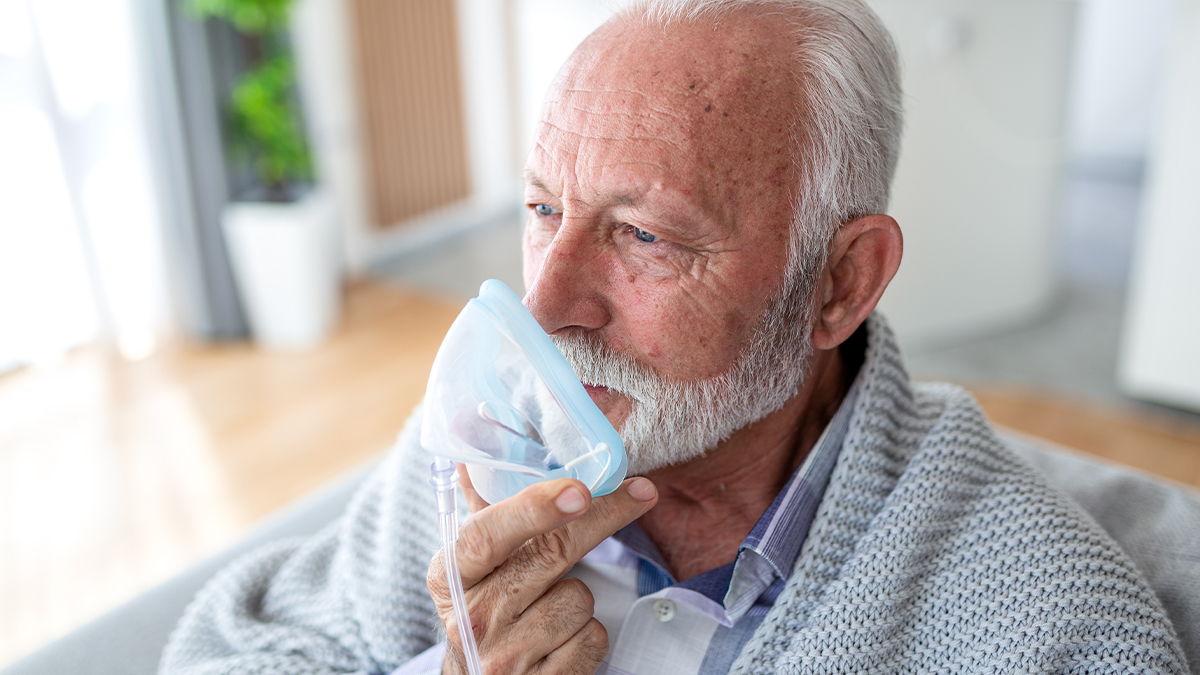
Chronic obstructive pulmonary disease (COPD) affects more than 30 million Americans and is the fourth leading cause of death worldwide.
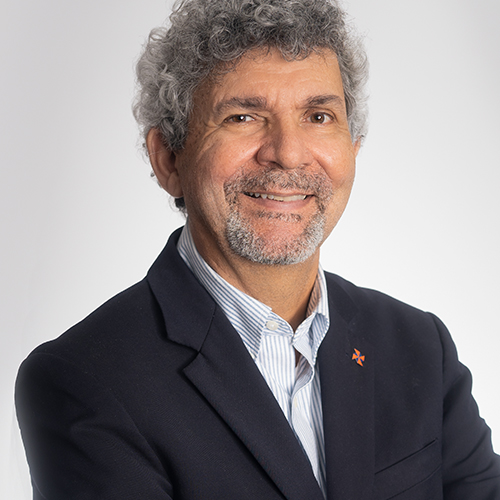
David Mannino, M.D., FCCP, FERS
Co-Founder and Chief Medical Officer, COPD Foundation
Chronic obstructive pulmonary disease (COPD) affects more than 30 million Americans and is the fourth leading cause of death worldwide. Yet many people living with COPD don’t know they have it. Increasing awareness — especially about who is at risk and how to manage the disease over time — is essential to changing that reality.
What is COPD?
COPD is an umbrella term that includes chronic bronchitis and emphysema. Common symptoms include persistent cough, shortness of breath, and fatigue. These symptoms often develop gradually, which can make them easy to overlook until the disease has progressed.
Risks go beyond smoking
While smoking is a well-known cause of COPD, it is not the only one. In fact, about one in four people with COPD have never smoked. Long-term exposure to lung irritants plays a significant role — and for many, those exposures happen on the job.
Firefighters, emergency responders, construction workers, and others who regularly encounter smoke, chemical fumes, dust, or hazardous particles face an increased risk. Repeated exposure over time can damage the lungs, even in otherwise healthy individuals. Poor air quality, both indoors and outdoors, also contributes to risk, as do genetic factors.
Recognizing these risks is critical. If you have a history of occupational exposure or ongoing respiratory symptoms, talk with your healthcare provider about screening.
Why early detection matters
COPD is typically diagnosed using a simple breathing test called spirometry, which measures how well your lungs are functioning. Because symptoms can be subtle early on, many people are diagnosed later than they should be. Earlier detection allows for earlier intervention, helping to preserve lung function, reduce symptoms, and improve quality of life.
The importance of treatment
COPD is a chronic condition, meaning it requires ongoing management. While there is no cure, consistent treatment can slow disease progression and help people live longer, more active lives.
Treatment plans may include medications such as inhalers, pulmonary rehabilitation, oxygen therapy, and lifestyle changes like quitting smoking or avoiding further exposure to lung irritants. Pulmonary rehabilitation, in particular, can be life-changing. These programs combine exercise, education, and support to help individuals breathe easier, build strength, and regain confidence in daily activities.
Take the next step
If you are experiencing symptoms, have a history of exposure to lung irritants, or fall into a higher-risk group, don’t wait. Ask your healthcare provider about COPD and whether spirometry testing is right for you.
For more information and resources, visit copdfoundation.org.
