
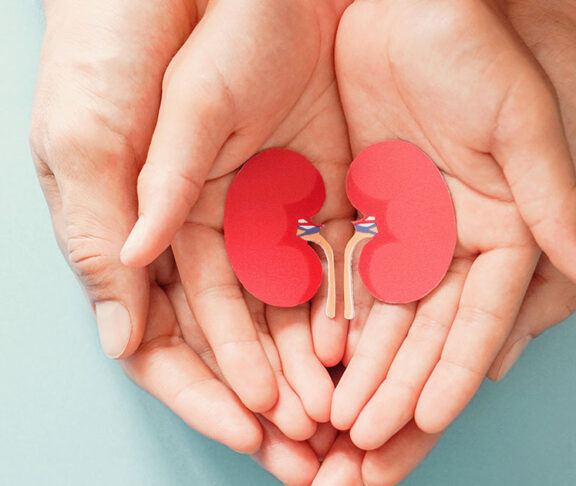
Kidney disease is a growing public health crisis, yet kidney donation offers hope, restores health, and saves thousands of lives each year.
Every day in the United States, 17 people die waiting for an organ transplant, and 85% of these patients are waiting for a kidney. Kidney donation remains one of the most powerful ways to save lives and restore health. A single kidney donor can change the trajectory of a patient’s life, freeing them from dialysis and offering a chance to return to work, family, and community. In 2024, more than 27,000 Americans received kidney transplants. Behind these transplants is the extraordinary generosity of thousands of donors and their families, whose decision brought hope amid hardship.
Recent analyses of donation practices by the Health Resources and Services Administration identified concerns with the management of potential organ donors. While these findings emphasize the need for improvement, it is crucial to remember that these cases are rare. The U.S. organ donation system enables tens of thousands of safe, lifesaving transplants each year. Unfortunately, public misperceptions about safeguards and procedures can discourage individuals from choosing to register as donors, limiting kidney availability when it is needed most. With over 100,000 Americans waiting for an organ transplant, public trust is critical.
To understand recent discussions about donation, it is helpful to know that there are two primary types of deceased donation: donation after brain death (DBD) and donation after circulatory death (DCD).
Donation after brain death (DBD)
In DBD, hospital physicians, who are not part of the donation or transplant teams, determine that a patient’s brain has completely stopped functioning. Once death is confirmed through multiple clinical exams and tests, and consent is obtained for organ donation, the patient is evaluated as a potential organ donor. If suitability for organ donation is confirmed, the organ recovery surgery proceeds, ensuring that the kidneys and other organs remain viable for transplant.
Donation after circulatory death (DCD)
In DCD, the donation process is different. When a critically ill patient has sustained a significant brain injury with a poor prognosis and has not been declared brain dead, the family decides to withdraw support and allow for comfort care measures. Once this decision has been made, the family is approached for the consideration of organ donation. If the family gives consent, then the evaluation process for organ donation begins.
Once the suitability for organ donation is confirmed, medical support is withdrawn and comfort care is provided. When the patient’s circulation stops naturally and death is confirmed by a physician separate from the recovery team, surgeons begin organ recovery. If death does not occur within the necessary timeframe, donation does not proceed, and the patient continues to receive comfort care.
The key distinction is how death is determined, but in both DBD and DCD, the decision is made by physicians independent of the recovery team. Both pathways save lives, with DCD now accounting for 45% of all deceased donations, according to the Organ Procurement and Transplantation Network. This pathway has become essential as diabetes, hypertension, and other conditions increase the need for kidney transplantation.
Improving the system
Recent media reports on DCD practices highlight troubling cases but also show that oversight is functioning; problems are identified, investigated, and corrected; and lessons are applied to improve the system. These cases, while concerning, represent exceptions in a system that safely enables thousands of kidney transplants annually. Rather than undermine confidence, these reports should motivate us to strengthen policies and protections, ensuring families feel confident their loved one’s gift is honored with integrity.
As kidney disease grows alongside an aging population and rising rates of diabetes and obesity, the need for transplantation will only intensify. The solution is not to limit donation but to improve systems, align practices across hospitals, and ensure ethical, transparent processes.
The American Society of Transplantation is committed to working with hospitals, regulators, OPOs, and patient advocates to improve the system. We honor the generosity of kidney donors and their families and strive to ensure every donation is handled with care, respect, and safety.
