The United Network for Organ Sharing’s (UNOS) chief medical officer, Dr. Andrew Klein, a liver transplant surgeon with nearly four decades of experience, shares how UNOS is working to save more lives through technology and reforming the system.
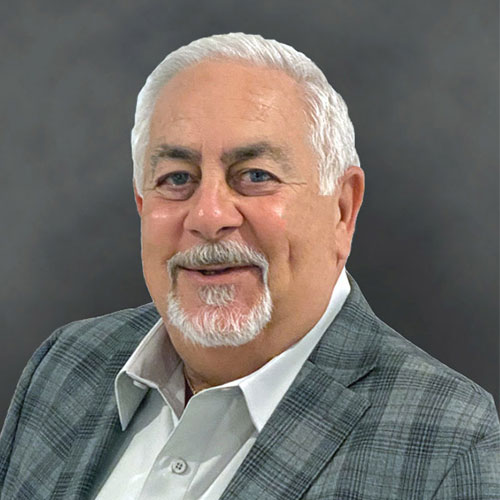
Anderew Klein, M.D., M.B.A.
Chief Medical Officer, UNOS; Founding Director, Johns Hopkins Comprehensive Transplant Center; Founding Director, Cedars-Sinai Comprehensive Transplant Center
How many people in the United States are waiting for a kidney transplant?
As of mid-September 2025, nearly 93,000 people in the United States were waiting for a kidney transplant. Eleven people die every day waiting for a kidney.
How many people received a kidney transplant last year?
Surgeons performed more than 48,000 organ transplants in 2024, the most ever in one year. Of those, nearly 28,000 were kidney transplants. Still, more than 100,000 people in the United States are currently waiting for an organ transplant, and UNOS is actively working with the donation and transplant community, patients, and Congress to save more lives.
What are some of the changes UNOS would like to see happen in the system?
First, the adoption of automated electronic deceased donor referrals would make it easier for hospital staff to report potential organ donors and would reduce errors.
Second, organs that are flown commercially from the site of donation to the location of the transplant recipient should not be relegated to the cargo area of the aircraft, which is the current practice. They should be transported in the main aircraft cabin to ensure better handling.
Finally, a national tracking system should be adopted to prevent organs from being lost, delayed, or damaged. UNOS has developed an organ tracking service that provides real-time location data for organs in transit. Solving these logistical challenges is an important step toward reducing the non-use of organs.
Why are some donated kidneys not used for transplant, and what can be done to fix this problem?
In the search for the “perfect” kidney, surgeons may decline organs they deem to be less than ideal but that could have been successfully transplanted. To help with these decisions, UNOS has launched a tool that estimates when the patient might receive a similar or better kidney if the surgeon declines the current organ. The tool also predicts the patient’s expected survival without a transplant. These models encourage surgeons to take a closer look at an organ offer when determining if it’s the right fit for their patient.
Another concern is that using less-than-ideal kidneys will result in worse outcomes for patients. However, evidence shows that these kidneys can be successfully transplanted with appropriate post-transplant care, and that patients live longer if they receive a transplant — even from a more medically complex kidney — than if they wait on dialysis.
What else is UNOS doing to maximize the benefit of donated organs?
UNOS is working with transplant hospitals and technology leaders to develop AI models to improve decision-making and place more organs. One tool, called offer filters, analyzes a transplant hospital’s historical organ acceptance data and automatically removes offers that are not a good match for that program so the kidney can be placed with a patient more quickly, leading to better transplant outcomes.
We are also using AI to convert standard imaging data, such as CT and MRI scans of an organ, into 3D models which could be used to reconstruct the size, geometry, and blood supply of an organ and “virtually” transplant it into a potential recipient.
To register as an organ donor, visit registerme.org.
