

Just like a community that comes together to tackle growing weeds, the more people who are vaccinated, the more they can protect themselves and their neighbors.
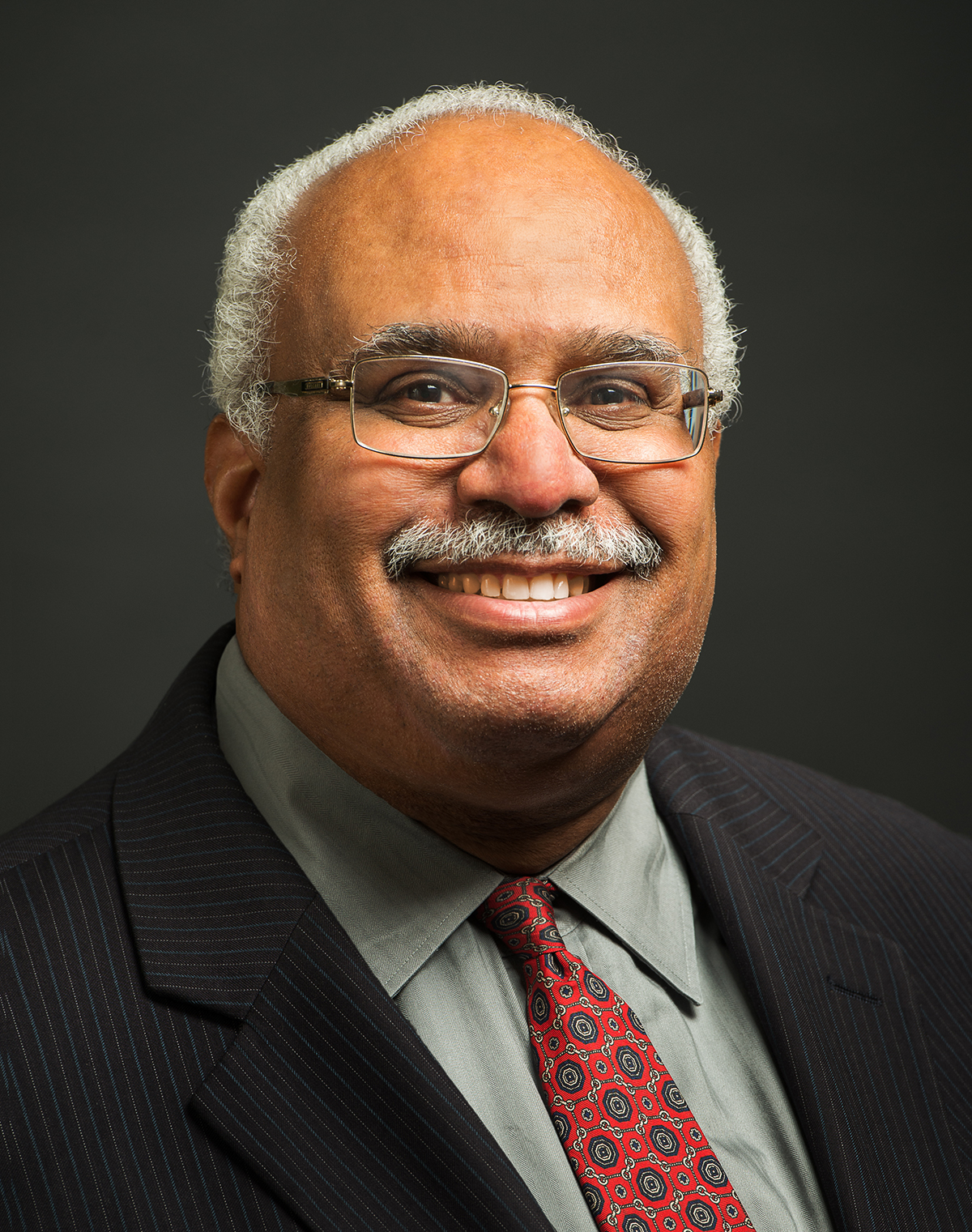
Georges C. Benjamin, M.D.
Executive Director, American Public Health Association
An advanced degree isn’t necessary to understand how infectious diseases affect a community. All you need to do is stand in a neighbor’s overgrown yard.
As tall grass and weeds envelop sidewalks, clog sewer drains, and cloak pests, it’s clear that what may have started in one yard becomes everyone’s problem. But if the community chips in to cut the grass, whack a weed, trim an edge, or stuff trash bags with clippings, it’s not just helping one neighbor. They’re helping the neighbor in a wheelchair avoid traveling in the street. They help children walk to and from the bus stop. They prevent flooding after thunderstorms.
Similarly, communities can come together and help their neighbors by getting vaccinated against infectious diseases like measles and whooping cough to prevent the spread of illness through herd immunity. Herd immunity is especially important to protecting vulnerable groups like infants who are too young to be vaccinated, pregnant women, seniors, and the immunocompromised.
Declining vaccination rates, rising outbreaks
However, a community is only as strong as its weakest link, and in the United States, those weak links are multiplying.
Decades of anti-science rhetoric and state-level policies have undermined safe and effective vaccines, leading to drops in school vaccination rates. Nationwide vaccination rates for measles, mumps, and rubella among kindergarteners in the 2024–25 school year fell below the 95% threshold needed to adequately protect children from spreading measles, according to the Centers for Disease Control and Prevention. Vaccinations for diseases like polio and chickenpox fell in more than half of U.S. states, while vaccine exemptions rose in 36 states plus the District of Columbia. The result is multiple disease outbreaks in the past year, including an ongoing measles outbreak in South Carolina of more than 900 cases, the vast majority being unvaccinated children.
These outbreaks overwhelm already taxed healthcare systems and put Americans at unnecessary risk of permanent disability and death. Measles rates have reached their highest levels since the World Health Organization declared measles eliminated in the United States in 2000.
What you can do
The United States will likely lose its measles elimination status, but it doesn’t have to be that way. Public health is all about prevention through intervention. Contact your healthcare provider to make sure you and your loved ones are up to date on your vaccines. Call your local health department or pharmacy to find a vaccine clinic. Offer to take neighbors to their vaccination appointments. Just like a community that comes together to tackle growing weeds, the more people who are vaccinated, the more they can protect themselves and those around them. Vaccination is an individual effort with universal impact. There is no immunity without unity.
