

By 2040, dementia is expected to become the third leading cause of death worldwide, and global health systems are not ready.
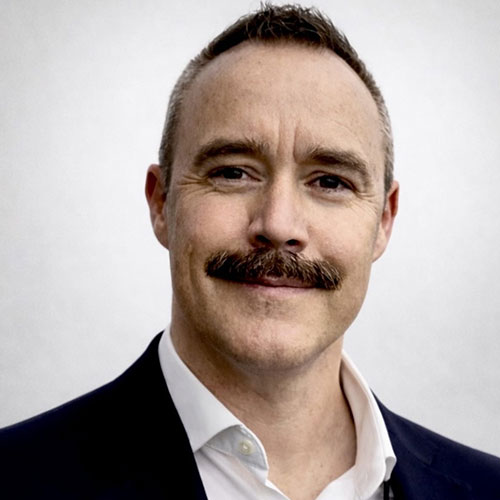
Chris Lynch
Acting CEO, Alzheimer’s Disease International
Globally, by 2040, dementia is expected to become the third leading cause of death. Despite this grave data, we find ourselves 14 short years away from the reality of this worldwide public health crisis, and globally, health systems are not ready.
As the global federation of more than 100 national dementia and Alzheimer’s associations across the world, including the Alzheimer’s Association in the United States, Alzheimer’s Disease International (ADI) is dedicated to raising awareness of dementia as a public health priority worldwide, but also campaigning for better policy from governments and encouraging investment and innovation in dementia research.
The diagnosis gap
Despite the advancements in dementia policy, challenges remain. An earlier diagnosis of dementia acts as a critical junction in which the person living with dementia can access treatment, therapies, rehabilitation, support, care, and clinical trials.
Unfortunately for many, low awareness and continued stigma around the condition remain key barriers, and it is estimated that up to 75% of people living with dementia go undiagnosed. In many countries, dementia still carries the burden of stigma, with some regions and communities still viewing it as simply a normal part of aging, or, in extreme cases, witchcraft, rather than a life-changing neurological condition.
Sometimes, countries lack the professional workforce needed to manage dementia. Anecdotally, a neurologist from our Ethiopian member association was asked to travel all the way to Seychelles in order to assist in dementia diagnosis there.
Where hope is emerging
But there is hope. We are seeing new emerging therapies, treatments, and unique applications of technology, such as AI, for people living with dementia. After two years of dedicated advocacy by ADI, dementia for the first time was formally recognized within the political declaration on noncommunicable diseases and mental health at last year’s United Nations General Assembly in New York, representing a pivotal shift of dementia as a health priority worldwide.
Dementia shares many risk factors with other noncommunicable diseases, and a growing body of research evidence exists for 14 modifiable risk factors. If we are able to modify all the risk factors, including smoking cessation, increased physical activity, and hearing loss, along with noncommunicable diseases that are themselves risk factors for dementia, including obesity, diabetes, and cardiovascular disease, we might prevent or delay up to 45% of dementia cases.
For example, a community in South Africa introduced locally found, low-cost pilchards into the diet of residents in a long-term care facility. In a study done of those who consumed the pilchards, they were found to have noticeably greater cognitive improvement compared to those in the control group. For this community, pilchards had been a childhood food, making it an easy way to promote a healthier diet and positively affect cognitive ability.
Addressing dementia as a global public health priority demands coordinated international action. ADI is committed to elevating prevention efforts, strengthening care systems, and ensuring that people living with dementia and their carers are supported with dignity, equity, and evidence-based solutions across all regions.
