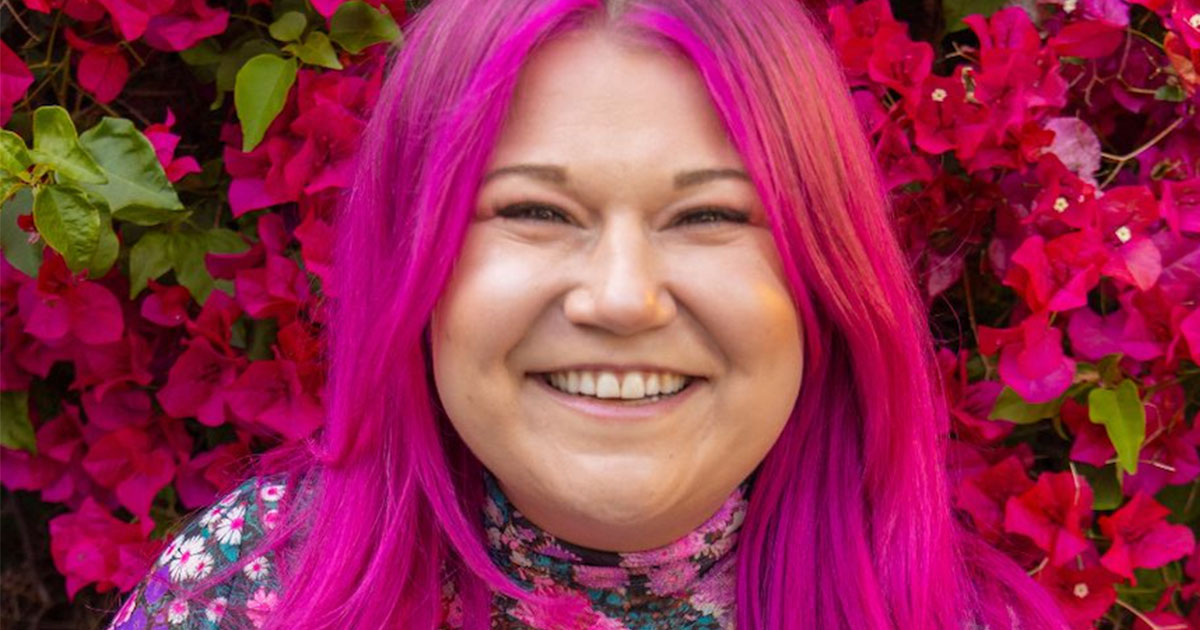
Carrie Aalberts, the gerontologist behind @DementiaDarling, challenges harmful assumptions about dementia care and explains what caregivers actually need.
What’s one belief about dementia care that you think is actually harmful and needs to be unlearned?
I believe that the thought that people living with dementia need to live behind locked doors is incredibly harmful. It has become the standard to encourage people to live in locked community settings called memory care.
Firstly, I feel that the term “memory care” is harmful because there is so much more happening with dementia than memory loss. This, in and of itself, is a misconception and belittles their diagnosis.
Secondly, the “solution” we have of locking the doors is the main reason for the problems happening in memory care. When we assume the best place to care for people is separate from society, we are taking away life, dignity, and purpose from the person living with dementia. This feeds negative stereotypes and the prevailing tragedy narrative.
What do you think caregivers need most that they’re currently not getting?
Caregivers need physical and financial help. They are burnt out, to say the least. They have little to no resources or capacity left to give to themselves. What they need is tangible, consistent, and reliable support.
It is much more common than people would ever believe for a caregiver to pass away before their loved one, due to neglect of their own health and other stress-induced illnesses. We have to support people caring for aging loved ones just as we would if someone were a new parent. Family caregivers often attain their role without preparation or choice. They need respect and dependable support.
What are some ways caregivers can protect their loved ones while still allowing them to feel in control of their daily lives?
Using technology and supportive tools can help maintain independence. It often feels natural to jump right in and support our loved ones in every little way we can, but that actually inhibits their independence in the long run.
Instead, supporting them by setting up their environment for success and cueing them, showing how to do something before taking over, can be very helpful in keeping your loved one as independent as possible for as long as possible. I love that game-changing innovations are emerging every day, made by caregivers for caregivers, to help in different areas of life and extend independence.
When we include our loved ones in decision-making and daily life as much as possible, we support them in their purpose and keep them engaged with life.
What are small, overlooked shifts in communication or behavior that can completely change a caregiving dynamic?
Focusing on feelings rather than facts is the most effective mindset shift for a dementia caregiver. Once we let go of the need to correct our person and instead focus on the feeling behind what they’re saying to us, we can fundamentally change how we show up for them.
Everyone wants to be understood and to feel heard and validated. When we focus on that, rather than on our person being correct, we can truly level up the quality of communication we have.
I want to acknowledge and validate that this is another extremely difficult layer of caregiving for families. Give yourself grace. These communication changes do not happen overnight, nor will they be consistent. Dementia care is ever-changing.
You’ve built a platform around education and support. What patterns do you consistently see in the questions or struggles caregivers bring to you?
Caregivers are left to navigate the most difficult path on their own. They are expected to show up as nurses, therapists, financial planners, chefs, chauffeurs, advocates, and so much more, all with no guidebook.
It is not fair that family caregivers for people living with dementia have to turn to social media to get the resources and support they need. The professionals in our lives and those who give out dementia diagnoses should be able to support caregivers in a more concrete way.
I wish I had never had to hear a caregiver say that they have experienced what we call the “diagnosed and adiós,” where a caregiver and their loved one are given a dementia diagnosis, then told nothing about support, and essentially wished “good luck.” This experience is far too common and should never be how someone starts their journey, and yet it is.
