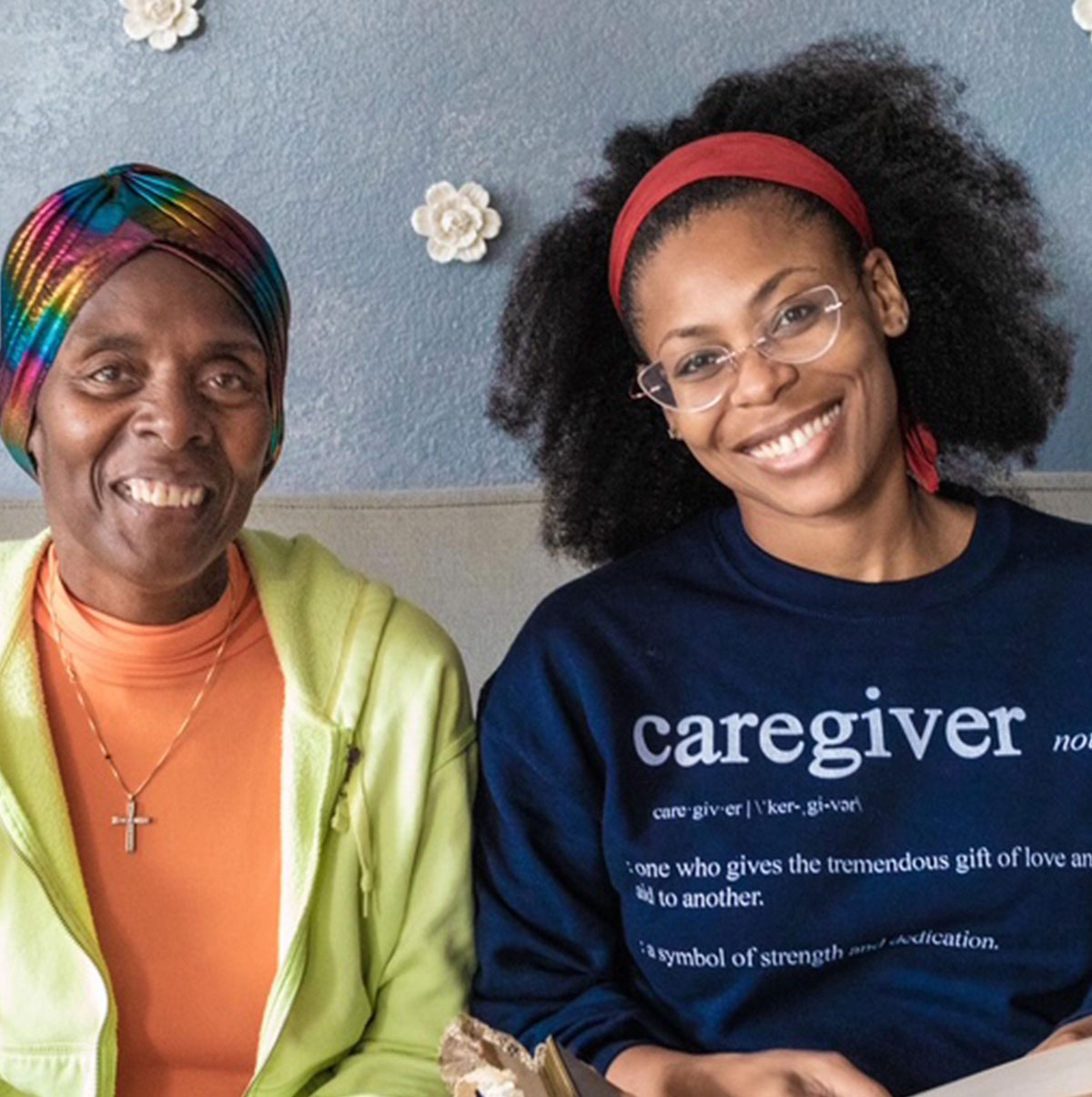
Jacquelyn Revere, the @MomOfMyMom creator, founder of The Care Den, and author of the forthcoming book “101 Acts of Kindness and Care”, opens up about dementia caregiving.
What’s something about dementia caregiving that you didn’t understand until you were in it, and wished more people talked about honestly?
The isolation, loneliness, and loss of identity that come with dementia caregiving. All of this manifests because the mental load of dementia caregiving is so high. You’re essentially thinking and planning another adult’s life entirely, and as the disease progresses, you continue to pivot to meet their increasing needs. Very few people understand this experience unless they go through it themselves, which creates a vacuum where a caregiver’s needs don’t get met because they don’t feel understood. At some point, they may not even know what their own needs are, because there is no time to focus on themselves.
We also rarely talk about the chapter after dementia caregiving ends. Caregiving doesn’t end when your person passes away. It ends once you’ve built yourself back up from the experience, and that can take years.
How do you balance preserving your loved one’s dignity while also managing the practical realities of care?
Understanding their life story, understanding your own boundaries, and understanding their wishes. In an ideal situation, we would have these conversations with our loved ones about how they want to grow old and what measures they would like taken in case of an emergency. For many of us, this is guesswork, and the best way to move forward is to take their life story into consideration, along with our limits as caregivers.
There is also zero shame in setting personal limits around specific care tasks, dementia behaviors, or a set timeline for caring for a loved one with dementia. Sometimes, maintaining another person’s dignity includes placing them in a facility. In my upcoming book, “101 Acts of Kindness and Care,” I cover this topic. I explain that if you find yourself resentful, detached, or unable to meet their basic needs, it may be time for placement, so you can return that care to yourself.
What have you learned about what truly makes a difference in day-to-day caregiving?
Routine. Routines are a behavior modification strategy. They create a sense of structure and normalcy. When people know what to expect, they feel more secure and less anxious. A routine also increases the likelihood that your loved one can continue to function independently in the future. Although routine on the surface is meant to benefit the loved one, we as caregivers also find comfort in repeated tasks. They help us build confidence in our role as well.
If you could change one thing about how society shows up for people with dementia and their families, what would it be?
The idea that caregiving can be done by one person. Caregiving has and will always be a group project, though we rarely treat it that way. The ramifications of it all falling on one person wreak havoc on family relationships, but the opposite can bring you closer than ever before. If parents have only one child, I believe they should dedicate time to planning how they will age without 100% of the responsibility falling on that one child. Siblings should communicate clearly and concisely about how to share the load as they reach this life event together.
