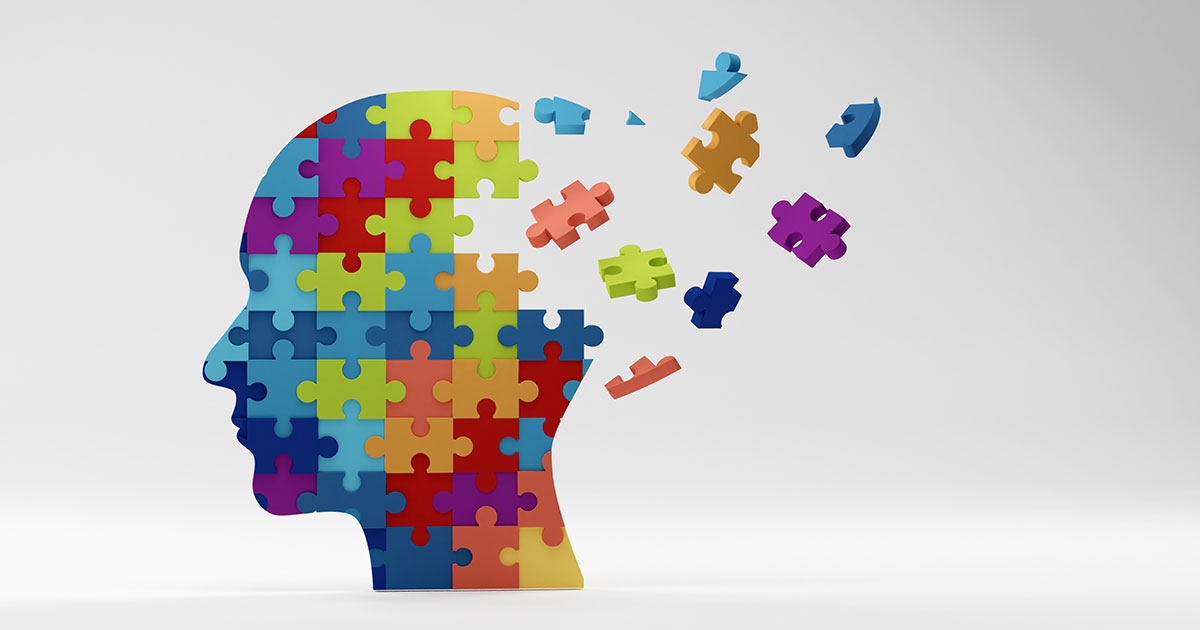
Alzheimer’s and dementia are often treated as the same thing, but the distinction matters more than most families realize.
Kevin Jameson
Dementia is widely misunderstood, and that misunderstanding carries real consequences. Too often, we hear the terms “Alzheimer’s” and “dementia” used interchangeably, as if they are the same. They are not. Dementia is not a disease. It is a syndrome, a collection of symptoms that can be caused by many different diseases and disorders.
Alzheimer’s disease is one of many causes. It is an important one, yes, and it presents a profound health challenge for millions of individuals and families, but it is only part of a much larger story, one that includes cerebrovascular disease, Lewy body dementia, frontotemporal disorders, Creutzfeldt-Jakob disease, and brain injuries such as chronic traumatic encephalopathy, among many others. When we reduce dementia to Alzheimer’s alone, we unintentionally miss the experiences of countless others living with other, equally complex and demanding dementia diagnoses.
The diagnosis story is shifting
As diagnostic precision improves, Alzheimer’s is still increasing in absolute numbers. Yet, within the past 10 years, research has found that symptom-based prevalence estimates may have overstated biological Alzheimer’s by as much as 30%. Said more simply, nearly 1 out of 3 people diagnosed with dementia, of the Alzheimer’s type, based mainly on clinical presentation or reported symptoms, likely did not have Alzheimer’s disease in the first place.
That reality should prompt a shift in how we talk about brain health. We need a bigger tent, one that reflects the full diversity of causes, experiences, and care needs.
Pathology does not equal destiny
Perhaps even more surprising is this: Having the biological markers of a dementia-related disease does not guarantee that a person will ever express dementia symptoms. Research, such as the well-known Nun Study, has shown that individuals can have the hallmark brain changes associated with the pathologies of a dementia yet live their entire lives without any major neurocognitive impairments. In other words, pathology does not equal destiny.
This insight opens the door to a more hopeful and proactive conversation. Brain health is not fixed. It is shaped over a lifetime. The way our brains are “wired” through learning, engagement, and lifestyle can influence whether and how symptoms emerge.
Why human connection matters
Even after a diagnosis, there remains a tremendous opportunity to improve quality of life. That is where human connection becomes essential. Music, art, movement, and touch are not peripheral therapies; they are powerful tools. They can reduce stress, unlock memory, foster communication, and strengthen relationships in ways that medications often cannot. These approaches reach people where they are, whether they are caregivers or care receivers.
If we truly want to support those facing dementia, we must broaden our lens. Dementia is not one disease, not one pathway, and not one outcome. It is a complex human experience, one that demands heightened awareness, increased research, greater inclusivity, and above all, compassion.
