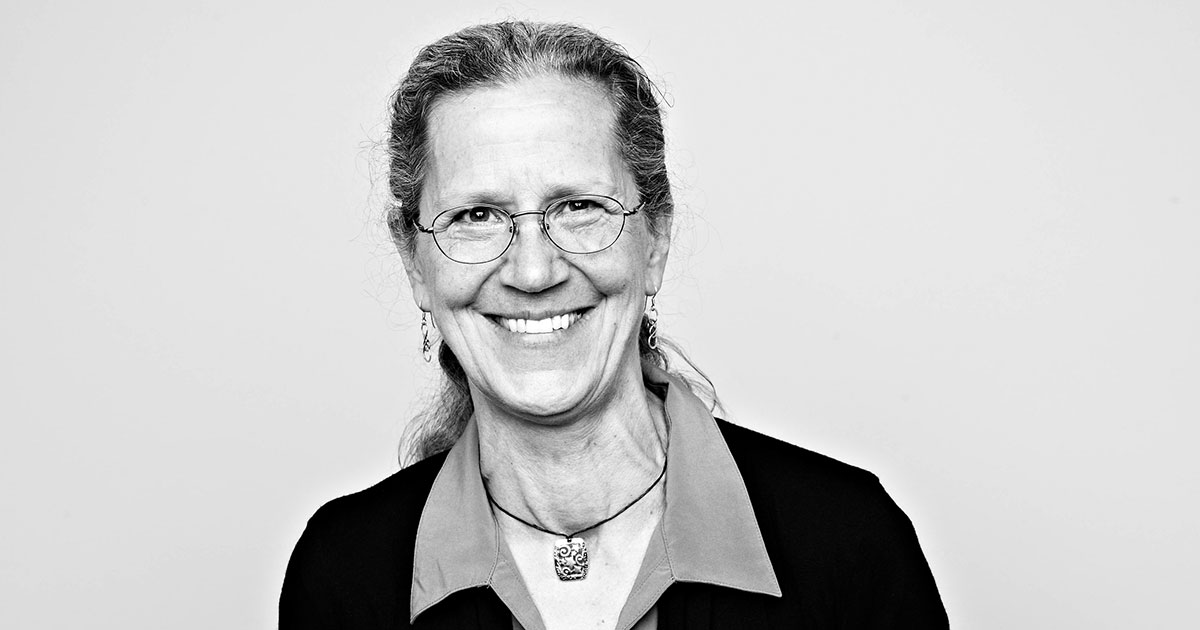
Teepa Snow, an occupational therapist and one of the most trusted voices in dementia education, talks about caregiver realities and common misconceptions.
From your experience, what are the biggest misconceptions people have about dementia?
One of the biggest misconceptions I see all the time is that people think all dementias are Alzheimer’s and that it only happens to older adults. That’s just not true. Dementia is a much bigger umbrella than that. There are many different types — e.g., Lewy body, vascular dementia, frontotemporal dementia — and each one affects the brain in different ways.
I also see people assume it’s just a memory problem, when in reality it can impact language, vision, balance, judgment, and behavior. And it doesn’t only affect older adults. I’ve worked with people in their 40s and 50s who are developing dementia, and it often gets misdiagnosed at first. It can look like depression, anxiety, or even just someone “not trying anymore.” People can go 5 to 8 years before anyone realizes what’s actually going on. That misunderstanding really delays diagnosis and proper care.
Why do you think people delay diagnosis or avoid addressing symptoms early on?
A lot of it comes down to fear. People don’t want to look too closely because they’re afraid of what they might find. I hear it all the time. People say, “It won’t be me,” or “It won’t be someone I love.” So, instead of getting curious about changes, they ignore them. Then later, when things become more obvious, the reaction is, “I wish I had known sooner.” We have more opportunities now to identify changes earlier, but we’re not taking advantage of them because we’re not willing to face the possibility. That’s something we really need to shift.
What role does lifestyle play in brain health and dementia risk?
Lifestyle absolutely plays a role, but it’s not as simple as people want it to be. There’s no one thing you can do that guarantees you won’t develop dementia. People want a clear answer, “Do this, and you’ll be fine,” but it doesn’t work that way. Brain health is about a combination of things. It’s about how you sleep, how you move, how you engage socially, and how you challenge your brain.
I always tell people, if you keep doing the same things you’ve always done, you’re not building new neural connections. You’re just using the ones you already have. Novelty matters. Trying new things matters.
Sleep is another big one, but it’s not just about getting eight hours. It’s about the quality of that sleep. Are you going through your cycles? Are you getting deep sleep and REM sleep? Those things really matter for brain health.
How should caregivers understand behaviors that feel confusing or challenging?
I actually try not to call them “challenging behaviors.” I call them “challenging situations” because from the perspective of the person living with dementia, their behavior makes sense. The problem is that we’re looking at it from our reality, not theirs.
For example, when someone says, “I need to go home,” it’s not always about the physical place. It might be about a feeling of safety, or a role they believe they still have, like needing to care for children or prepare a meal. If I respond by correcting them, “You are home, this is your house,” that’s just going to create conflict. Instead, I need to get curious. What are they trying to do? What need are they expressing? As soon as I start thinking, “I’m right, and they’re wrong,” I stop problem-solving and start trying to fix them, and that doesn’t work.
What is one mistake you see caregivers make, even with good intentions?
One of the biggest mistakes is trying to do things to someone or for someone without their permission. If I walk up and say, “Here, let me change your shirt,” that can feel threatening or confusing. The person may resist, not because they’re being difficult, but because they don’t understand what’s happening. A better approach is to invite them into the process. “Hey, I’ve got a favor to ask. You look so good in your green shirt, let’s switch into that.” That’s a very different experience.
Another mistake is ignoring early symptoms for too long. People don’t want to step in because they’re trying to respect independence, but that can lead to serious consequences. Early-stage dementia is actually when people are most vulnerable to things like financial exploitation. They’re still independent enough to make decisions, but not always able to recognize risk. That’s when problems can happen.
How does the environment affect someone living with dementia?
The environment plays a huge role, much bigger than most people realize. As dementia progresses, a person’s ability to process sensory information decreases. Their visual field narrows, and they can only take in a limited amount of what’s around them. That means things like noise, clutter, and busy environments can become overwhelming very quickly. Even something as simple as a TV playing while water is running can make it hard for someone to process what’s happening.
We also have to adjust how we communicate. I can’t call out from another room and expect someone to respond. I need to be in front of them, within their visual field, and give clear, simple cues. Sometimes the smallest adjustments, moving something slightly, changing how you present an object, can make a huge difference in how someone responds.
Why is caregiver support and training so important?
Right now, we’re not doing a good job preparing people for this. When someone gets a diagnosis, they’re often told to get their legal affairs in order, but they’re not given practical guidance on how to care for someone day to day. Care partner are expected to figure it out on their own, and that leads to burnout. They’re juggling work, family, and caregiving responsibilities without the tools they need.
We need better education and support systems in place. Not just emotional support, but real, practical education: what to do, how to communicate, how to adapt as things change. We also need those resources to be accessible. People should know where to go, who to call, and what support is available to them.
What are some of the most difficult situations families face?
One of the hardest situations is when the person living with dementia doesn’t recognize that anything is wrong.
About half of the people with dementia don’t have awareness of their condition. They truly believe they’re fine, even as their abilities are declining. That can create really difficult situations, especially if they’re still managing finances, running a business, or making major decisions.
Families often have to wait until things break down before they can step in, and that’s incredibly hard to watch. It’s frustrating, emotional, and sometimes devastating. Our systems aren’t designed to intervene early, so we end up reacting instead of preventing problems.
What is your perspective on current treatments for Alzheimer’s?
There’s definitely progress being made, especially with treatments targeting early-stage Alzheimer’s, but the reality is that most people are not being diagnosed early enough to fully benefit from those treatments.
In my work, I don’t see a lot of people who are in that very early stage. By the time they’re identified, they already have noticeable symptoms. So, while treatments are important, they’re not the whole solution. We still have a huge need to improve how we provide care and support. Until we have a cure, we need to focus on doing better for the people who are living with this every day.
What needs to change in how we approach dementia as a society?
We need to start recognizing how hard this really is. Dementia is one of the most challenging conditions a person can experience, and it’s one of the hardest things to support as a care partner. It changes relationships, it changes daily life, and it affects not just the person living with dementia, but everyone around them. We need to have more open conversations about it, provide better support systems, and include people living with dementia in those conversations, because the truth is, no one goes through this unchanged. Everyone who has cared for someone with dementia has been changed by that experience, and we need to start building systems that reflect that reality and support people through it.
