
Dementia is often thought of as terminal, but results from a new clinical trial indicate that it might be possible to reverse it.
“Dementia is not a death sentence; there are many things you can do by addressing the underlying factors that are driving the disease,” said Kat Toups, M.D., DFAPA, IFMCP of Bay Area Wellness and principal investigator on this clinical trial.
Personalized, precision medicine approach
Dementia is a group of symptoms that impact memory, thinking, and behavior. Alzheimer’s disease is the most common disease that causes dementia. Currently, 7.4 million Americans have Alzheimer’s disease, and that number is expected to grow to 14 million by 2060.
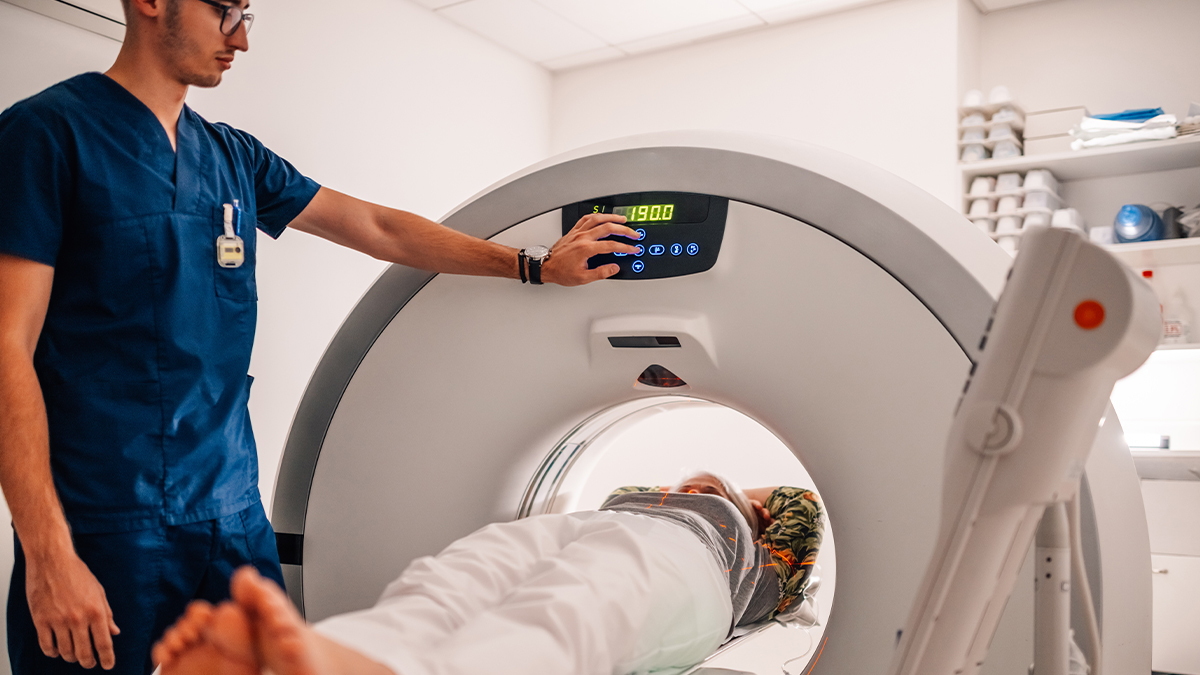
A new trial tested the theory that individualized, precision medicine treatment plans for dementia could be more effective than the current standard of care. The Precision Medicine Approach for Early Dementia & Mild Cognitive Impairment (EVANTHEA) (NCT05894954) was a nine-month randomized, controlled, multi-center trial of adults ages 45-76 who had signs of early dementia or mild cognitive impairment. Researchers assessed the impact of each participant’s many potential contributors to cognitive decline, including diet, exercise, stress, sleep apnea, environment, infections, toxins, hormones, lipids, blood sugar control, and hearing loss. All participants were tested with the Montreal Cognitive Assessment (MoCA), a neuropsychological battery (CNS Vital Signs), blood tests, and MRI scans at the start of and throughout the trial, as well as monthly doctor appointments.
The precision medicine group received extensive testing and intervention. They were on a ketogenic diet, exercised 45 minutes a day, six days a week, and did brain training and meditation activities.
The control group received the standard of care for mild cognitive impairment or early dementia. After the trial, they could choose to receive six months of free precision medicine treatment.

Exciting results
The EVANTHEA trial yielded cognitive outcomes superior to any trial to date. While other dementia studies have diet and lifestyle in treatment plans, this study went further by screening and treating potential contributors like toxins, infections, gut microbiome alterations, nutrient deficiencies, hormone imbalances, metabolic and immune problems. Each participant received customized treatments.
Overall, the group that received the precision medicine approach showed significantly higher cognitive performance than the control group, meeting not only the primary endpoint, but yielding improvements in weight, blood pressure, lipids, blood sugar, and immune function. Moreover, the results validated an earlier proof-of-concept trial carried out by several of the EVANTHEA investigators, which also documented cognitive improvement.
“Instead of simply observing a slower decline, we actually saw a reversal,” said neurologist Dale Bredesen, M.D., the senior director of Precision Brain Health at Pacific Neuroscience Institute and lead study advisor on this trial.
He explains that 90% of participants in the trial who received precision medicine showed improvement, demonstrating that mild cognitive impairment and early-stage dementia are not irreversible: “With the right assessments and a precision-guided treatment strategy, meaningful cognitive recovery is often possible.”
Researchers say memory loss isn’t a normal part of aging.
“I always tell people there’s no time to waste,” Dr. Toups said. “If you think there’s something amiss with your brain, that is the time to do something.”
To learn more about the Evanthea Dementia Reversal Trial, visit dementiareversaltrial.com
