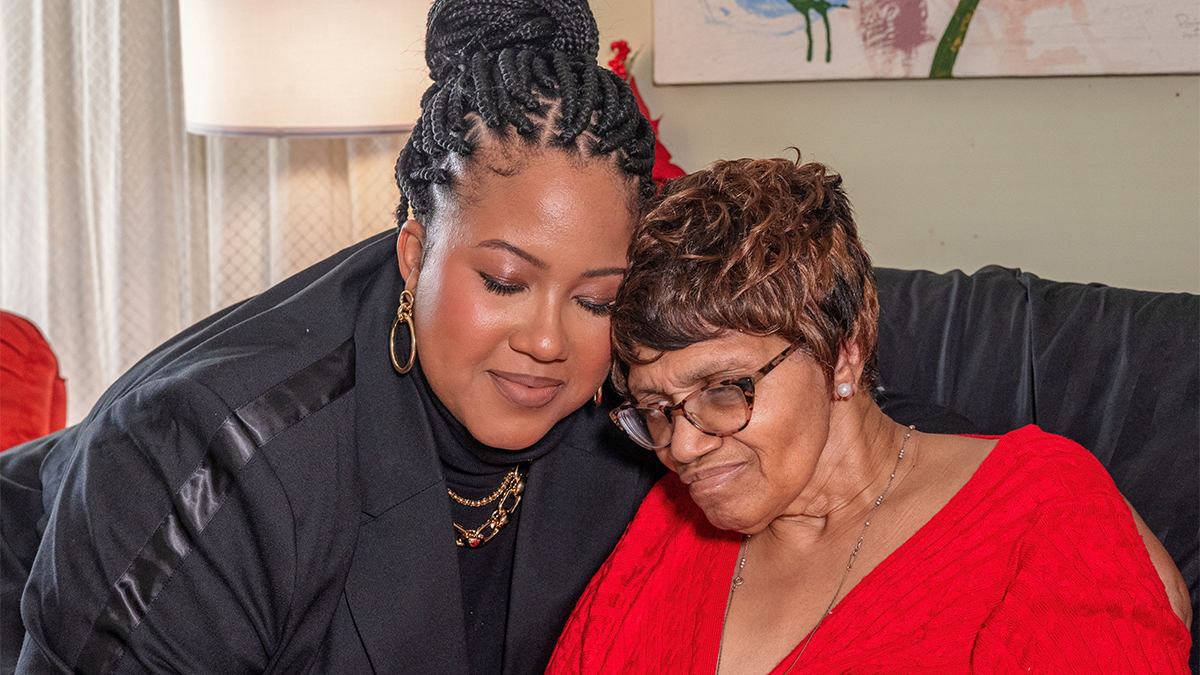

For many caregivers, the hardest part isn’t the physical exhaustion, it’s the isolation. I’ve seen this firsthand: I was 26 when my mom was diagnosed with early-onset Alzheimer’s, and caregiving has been part of my life ever since.
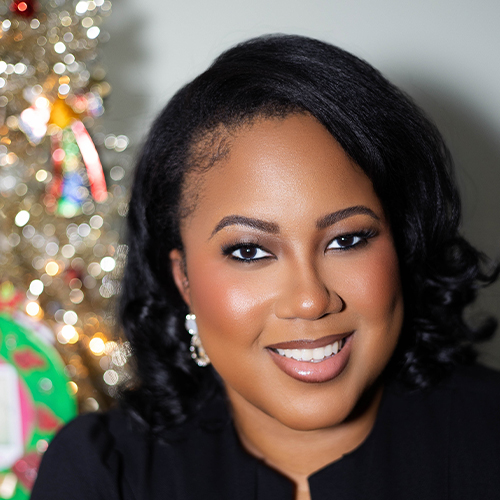
Jessica Guthrie
Founder, When Career & Caregiving Collide; and a CareScout Partner
At the time, I lived in Texas; she was in Virginia. I was building my career, focused on the future, and suddenly trying to figure out how to care for a parent with a disease I barely understood.
I didn’t have a handbook. Most of my friends were getting married, building careers, and starting families. Meanwhile, I was Googling Alzheimer’s symptoms at 2 a.m., booking last-minute flights home, and trying to hold together a version of normal life for both my mother and myself.
That’s the thing about Alzheimer’s — it doesn’t just affect memory; it changes routines, relationships, identities, and entire futures.
At first, caregiving felt like a problem I could solve. I created systems and routines. I labeled cabinets and drawers. I prepped dozens of meals at a time and froze them so my mom would have food between visits home. I installed cameras and wrote detailed notes to help her navigate daily life independently.
And for a while, those systems worked.
One day, she could no longer follow the steps to reheat food. Another day, she wandered outside, confused after the power went out. Slowly, the disease began taking away the executive functioning and judgment we had for so long taken for granted.
I could no longer manage her care from afar by simply hoping nothing would happen.

Today, more than 7 million Americans are living with Alzheimer’s disease, and nearly 13 million family members and friends provide unpaid care for loved ones with dementia. Collectively, those caregivers provide billions of hours of unpaid support every year — often while balancing careers, raising children, and trying to preserve some version of their own lives.
Caregiving can feel invisible. You try to be productive at work while coordinating doctor’s appointments, medications, meals, safety concerns, and emotional support behind the scenes. You become consumed with logistics and problem-solving, often without acknowledging your own grief.
Eventually, I made the decision to move home and care for my mom full-time.
At 30, I thought moving home meant my life was ending. Instead, it changed my understanding of what matters most.
Being physically present with my mom gave me something I didn’t realize I had been missing: the ability to simply see her again as a person, not a diagnosis to manage.
I learned what made her laugh. What calmed her anxiety. What moments still brought her joy.
I’ve had the privilege of walking alongside her at every stage of this disease — from the days she was still walking, still talking, still herself in so many recognizable ways, to now, when she is fully bedbound, non-verbal, and no longer ambulatory. She has changed profoundly. And so have I. Witnessing that evolution, being present for all of it, has shaped me in ways I am still discovering.
I’ve also learned something I wish more caregivers heard earlier: Support is not a luxury.
Caregivers need workplaces that acknowledge caregiving realities. They need community willing to help without judgment. They need resources, flexibility, and permission to care for themselves, too. Most importantly, they need to know they are not alone.
If there’s one thing this journey has taught me, it’s this: Stop trying to solve every moment. Slow down. Be present. And when you need help, seek support you can trust.
Caregiving is not just about helping someone survive a disease; it’s about making sure they continue to feel seen, valued, and loved through every stage of it.
When dementia changes everything, CareScout is here to help
