Alzheimer’s is often seen as inevitable, but up to 40% of cases may be shaped by factors we can actually influence.

Catherine Patterson
Acting Chief Operations Officer, UsAgainstAlzheimer’s
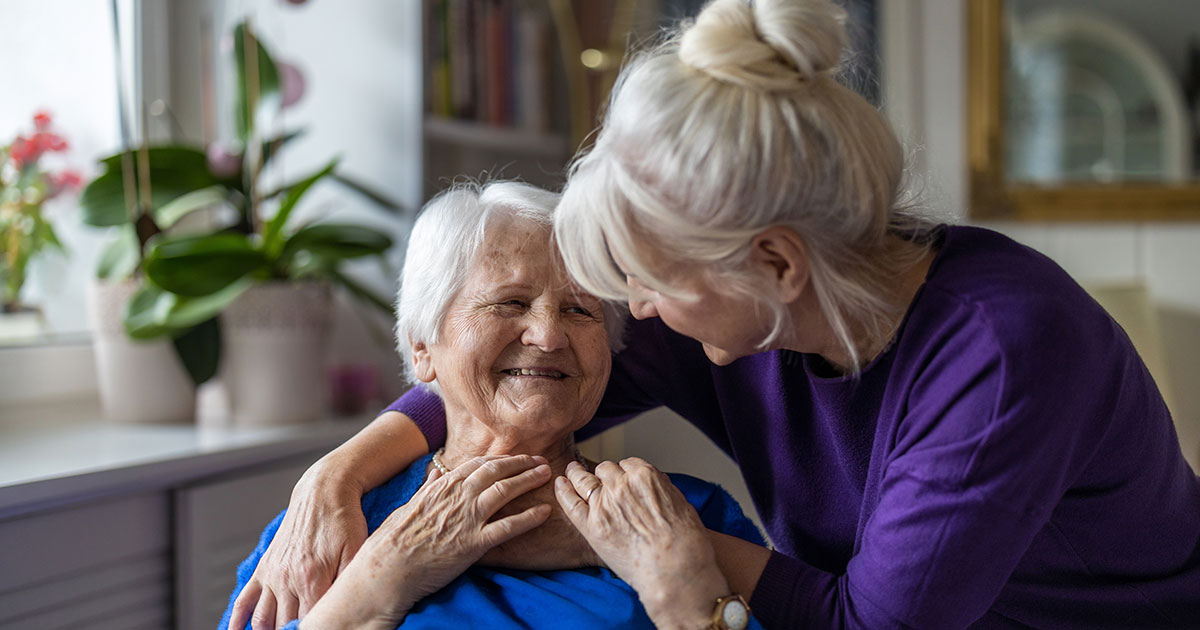
Last year, my mother was diagnosed with Alzheimer’s disease. I am now officially part of the sandwich generation, juggling the care of both my mom and my two young kids. I recently started to wonder: What if the path to Alzheimer’s disease is shaped long before the first symptom appears? And what if it is more within our control than we realize?
Many believe Alzheimer’s is an inevitable consequence of aging, but growing evidence challenges that assumption. Research suggests up to 40% of cases may be linked to factors we can influence across our lives. This evidence should reshape how we approach Alzheimer’s and how we reduce the risk of developing it.
Brain health across the lifespan
One way to do this is by promoting brain health across the lifespan. Regular physical activity, balanced nutrition, and quality sleep form the foundation for lifelong brain health and overall cognitive resilience. Emerging research further supports this approach, showing that lifestyle interventions, such as staying active, eating well, engaging the mind, and maintaining social connections, can help protect cognitive health over time.
Just as critical is addressing underlying conditions that increase cognitive risk, including hypertension, obesity, depression, and hearing loss.
Integrating brain health into care
For healthcare professionals, this presents an opportunity to integrate brain health into routine care earlier and more consistently. Conversations about blood pressure, weight, or hearing should not happen in isolation, as they are part of a broader effort to preserve cognitive function and quality of life over time. For patients, caregivers, and families, it means understanding that everyday choices, made years or even decades before symptoms emerge, can influence long-term outcomes.
A societal effort
At the same time, reducing Alzheimer’s risk extends beyond individual choices. Supporting brain health is also a societal endeavor. Communities, workplaces, and health systems all play a role in shaping environments that make healthy choices accessible and sustainable. When we prioritize brain health, the benefits extend beyond individuals, supporting greater economic competitiveness, empowerment, equity, and social resilience.
From inevitability to agency
Too often, awareness of Alzheimer’s begins when memory loss becomes apparent, and the emotional and financial toll is already high. By shifting the focus earlier, toward prevention and risk reduction, we can change that trajectory. This includes equipping health and wellness professionals with the tools and knowledge to guide patients, fostering innovation in how workplaces and communities support brain health, and advancing policies that address the root causes of increased risk.
Importantly, acknowledging modifiable risk factors does not mean assigning blame. My mom did not cause her disease. Alzheimer’s is complex and influenced by genetic, environmental, and lifestyle factors. However, recognizing what can be influenced offers something powerful: agency. It replaces a narrative of inevitability with one of possibility.
As Alzheimer’s prevalence continues to rise, the urgency to act grows with it. My family, and millions of others, cannot afford to wait. Expanding awareness of risk reduction strategies is not a substitute for advancing treatments or supporting those living with the disease. It is an essential complement. The question now is whether we will seize that opportunity to integrate brain health into how we live, work, and care for one another.
