

Women bear the heaviest burden of Alzheimer’s, both as the majority of patients and as the unpaid caregivers holding families together.
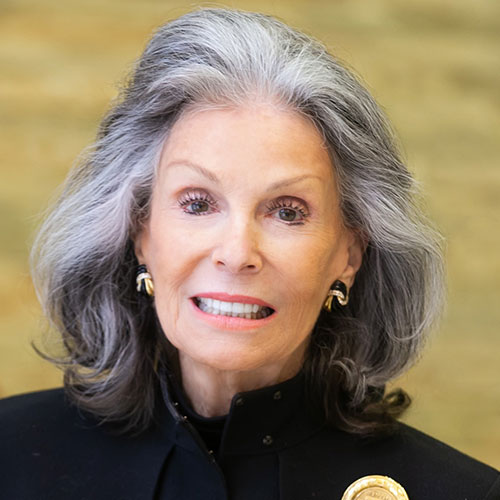
Meryl Comer
Co-Founder, UsAgainstAlzheimer’s; Vice Chair, Women’s Health Access Matters

Jill Lesser
Co-Founder and Board Member, UsAgainstAlzheimer’s
Alzheimer’s is a crisis that affects everyone, but its burden is disproportionately borne by women. Women are more likely to develop Alzheimer’s, are often diagnosed later in the disease’s progression, and are left carrying more of the unpaid care that keeps families afloat.
Nearly two-thirds of Americans living with Alzheimer’s are women, as are an even higher percentage of those providing family care, creating a caregiving crisis that is just as urgent as the disease itself. Women who step out of the workforce in their prime do not simply “pause” their careers. They lose earnings, benefits, retirement growth, and professional standing that are hard to recover. We often do it while sacrificing our own health and absorbing costs that the system never counts.
A personal mission
This issue is deeply personal. Both of us lost our mothers to Alzheimer’s and were their primary caregivers for close to two decades. That experience continues to shape our commitment, not just as advocates, but as daughters who have lived the reality of this disease and demand appropriate policy responses for our generation’s future.
Alzheimer’s cannot be solved with a one-size-fits-all approach when the science, the caregiving burden, and the economic fallout all land so heavily on women. Ignoring women is not an oversight. It is a design flaw.
The research gap
For too long, research has failed to prioritize sex-based differences, even though women may have different risk factors and the disease may present differently and more subtly in women. This gap has real consequences. A clear pattern emerges when we look more closely: Women, especially women of color, face higher risks and more frequent underdiagnosis, yet remain underrepresented in clinical trials. Diagnostic tools do not always reflect how symptoms present in women, and caregiving policies continue to lag behind the realities families face.
Ensuring clinical trials capture sex-specific differences and reflect the populations most at risk should not be optional or episodic. It should be mandatory and universal. Women are not just men with different reproductive organs, and understanding fundamental differences is key to understanding why so many more women are suffering from this horrible disease, and improving diagnostic tools that get us the treatment we need.
Caregiving as infrastructure
At the same time, caregiving must be recognized for what it is: essential infrastructure. When we look at who is providing care, it becomes clear that paid leave, respite services, and mental health support are necessary to sustain the millions of women holding this system together.
At UsAgainstAlzheimer’s, we know these gaps must be closed. We need better access to information, stronger support from policymakers, and a strong voice for patients and caregivers in shaping care and policy.
Sharpening the lens
When Alzheimer’s is treated as gender-neutral, we risk overlooking the important differences that shape how it develops and how it should be addressed. Recognizing its disproportionate impact on women is not about narrowing the lens. It is about sharpening it. The evidence is there. The disparities are well documented. The challenge now is ensuring that policy reflects that reality.
If we are serious about solving Alzheimer’s, we have to stop counting women’s sacrifice as a given and start counting what it costs us all.
