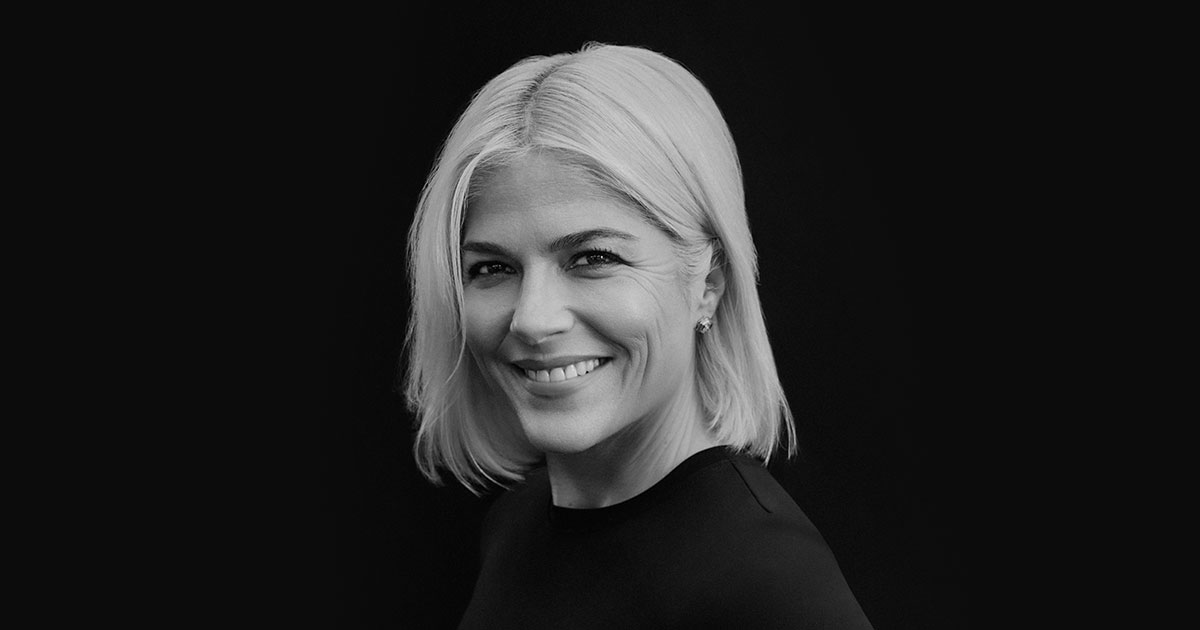
Actress Selma Blair reflects on living with multiple sclerosis (MS), sharing how vulnerability, visibility, and community have shaped her approach to advocacy and resilience.
You’ve become one of the faces of MS. What does disability empowerment mean to you personally?
Disability empowerment means living as best I can on my own terms — living fully. It means recognizing the challenges and still showing up as myself. It’s about learning from the community. It’s about dignity, self-advocacy, and refusing to be reduced to limitations.
What role did vulnerability play in your decision to share your journey publicly?
Vulnerability was the turning point, but I felt more vulnerable and misunderstood by people who didn’t know the truth of my condition, yet judged how I moved or talked or acted with a really harmful slant. I believe in the truth, so for me, that was always going to carry vulnerability closely at first. I could stop hiding, and in return, I found connection.
What message do you hope your story sends to others living with invisible illnesses who may feel unheard or unseen?
Now that I am doing much better, my disabilities are more invisible. I will say, your experience is still valid even if it’s unseen. You don’t need to prove your pain to deserve compassion, and invisibility does not equate to insignificance. I learn more compassion and humility every day, with how much we can change on any given day, for better or for worse.
How has your platform as an actress and public figure shaped your responsibility to advocate for the disability community?
My visibility comes with responsibility. I use my platform to amplify stories that are often ignored and to help create space where other stories can be shared.
What has been the most surprising lesson about resilience you’ve learned while living with MS?
Resilience is not toughness; it’s flexibility. It’s learning to adapt, to rest when needed, and to still find joy in the midst of struggle. For me, resilience is integral to my own development.
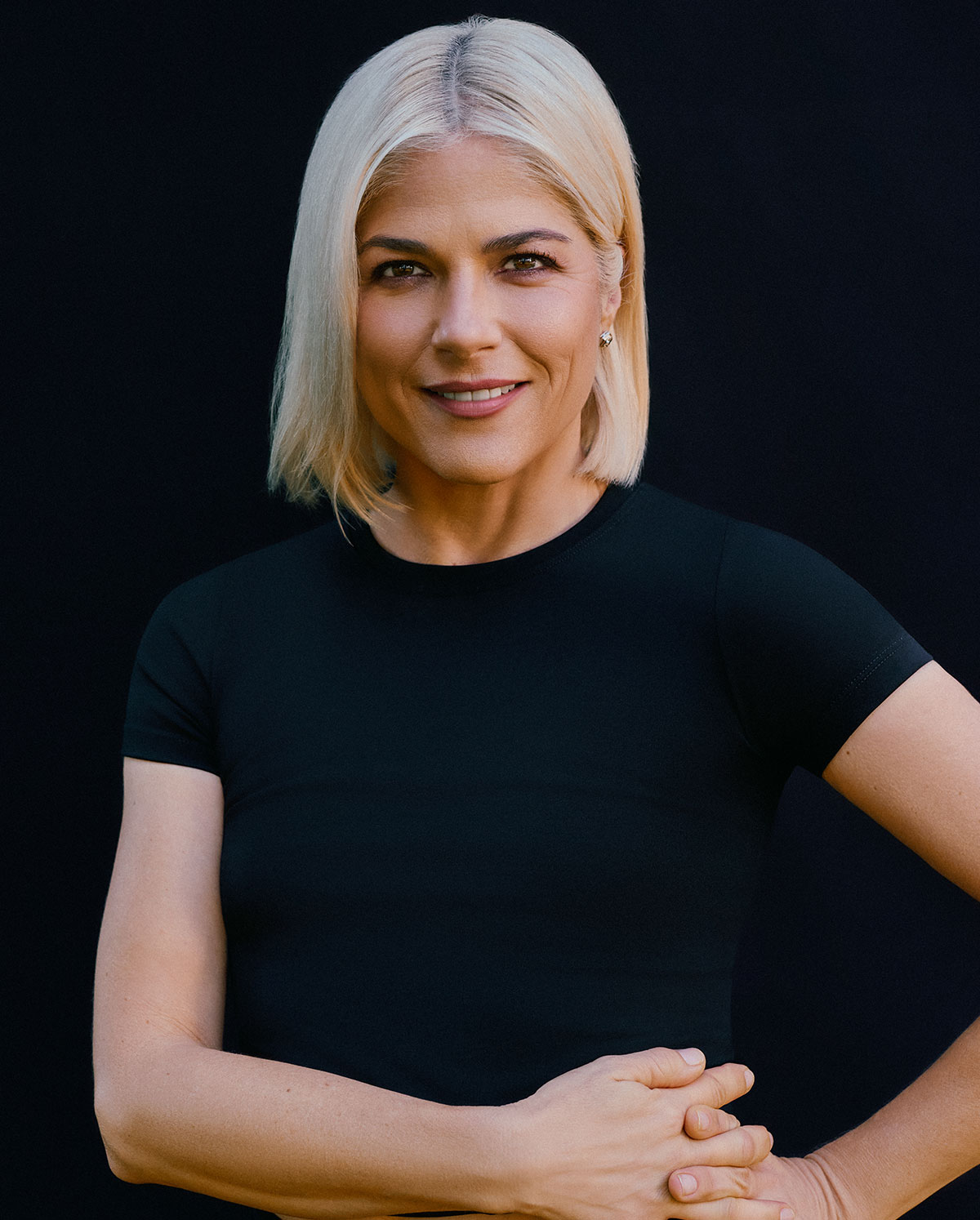
What advice would you give to people newly diagnosed with MS or other chronic conditions about reclaiming control over their lives?
The first thing people need to do is find grace for themselves and for the people who do not understand yet. Control may not mean fixing everything; it may mean creating routine, finding support, or carving out stability in small ways.
How do you think Hollywood and media representation of disability has changed since you first went public, and what still needs to improve?
I think it’s incredible how much awareness there is now since I came out with my own diagnosis. I witnessed in real time how much visibility directly impacts the disabled community. Disabled stories, told by disabled people, are incredibly important, both onscreen and behind the scenes, despite the challenge.
What would you like people who don’t have disabilities to better understand about living with MS and disability in general?
Everyone, no matter what, will face disability in their lives. Old age will bring impediments. The sooner an individual can embrace the coexistence between the reality of their situation with joy, ambition, and love, the more fulfilled life we will all have. I would like to point out that accessibility and empathy are human rights and not charity. This is something that society would do well to embrace.
If you could redefine “strength” through your own experience, what would it mean?
For me, strength is honesty. It’s asking for help, showing up authentically, and believing in your worth even when you feel vulnerable.
