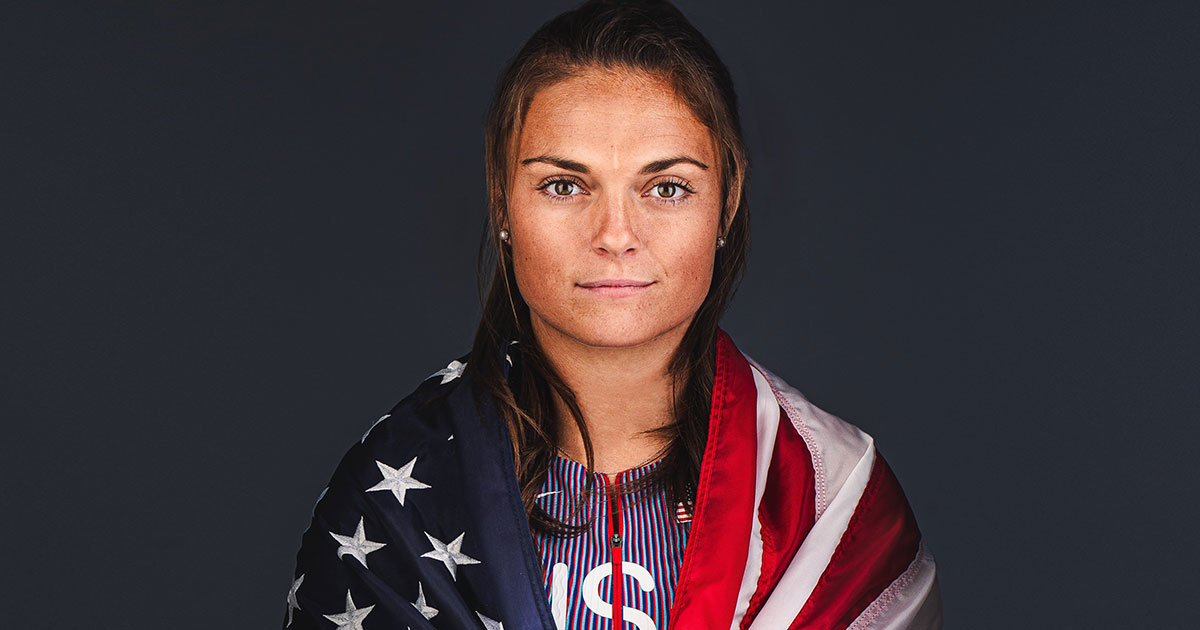
Noelle Lambert, a track and field athlete and founder of The Born to Run Foundation, discusses her journey to the Paralympics.
What was the biggest adjustment when learning to compete with a prosthetic running blade?
I think the biggest adjustment was getting comfortable with it and figuring out how I could control it. It’s obviously not part of me; it’s just attached to my body. In the beginning, it was rough because I was trying to figure out how to cut back and forth, and how to explode off the blade, but it’s practice and repetition. Eventually, you realize what you can and can’t do with the running blade. The biggest thing was balance and learning how the prosthetic leg worked.
How did your experience as a collegiate lacrosse player affect how you approached training for track and field?
Being a collegiate lacrosse player, I learned work ethic, discipline, and how much hard work it takes to achieve something. The lessons I learned from my coaches and teammates carried over into track and field, even though it’s an individual sport. Every day, I remembered what one of my assistant coaches taught me. Being a college athlete also teaches you time management and how to juggle many responsibilities at once. That helped me transition into track and field because this is my job now, and I know I can juggle a lot while still finding time to train.
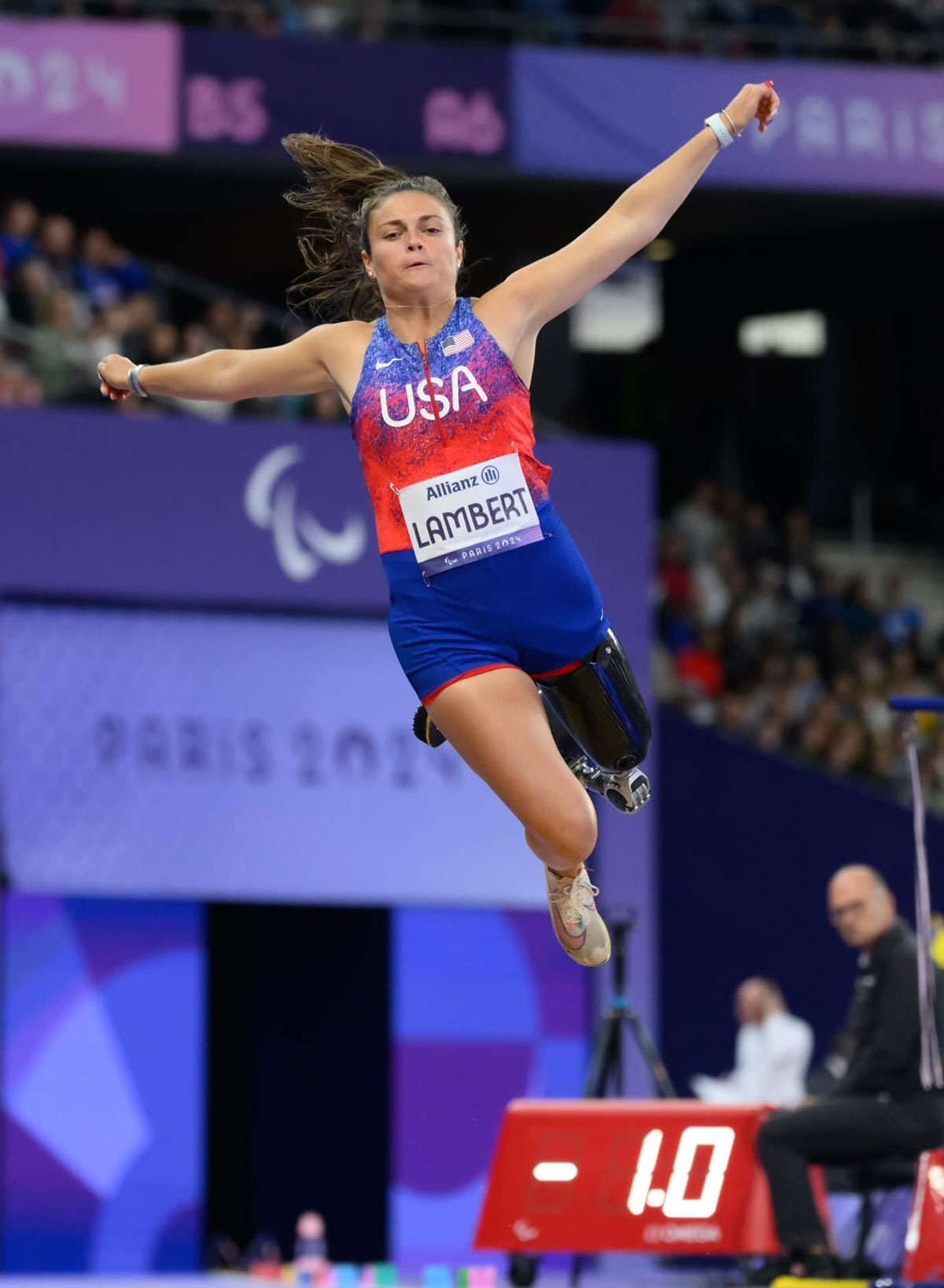
What inspired you to begin your journey toward the Paralympics?
When I returned to playing lacrosse, someone from the U.S. Paralympics Track & Field Team reached out and asked if I had ever thought about pursuing the sport. When I lost my leg in 2016, I remember seeing an ad for the Rio Paralympic Games and thinking, “Maybe I could do this someday when I’m ready.” I had never competed in track and field, but the idea of representing my country was exciting. That possibility drove me to pursue it.
What impact did competing on a global stage at the Paralympics have on you?
The impact was realizing that everything I went through — losing my leg, returning to sports, and doing what I love — could show others what’s possible. If I could do this, then so can anyone else going through a difficult time, a similar injury, or living with a disability and doubting themselves. Competing made me believe I could help others on their journeys as well.
