Aging in place helps older adults and individuals with disabilities to remain in the comfort of their own homes, surrounded by familiar routines, memories, and community.

Lina Supnet-Zapata, M.B.A., CMC,
Aging Life Care Manager
While staying at home is often the preferred choice, it can become challenging when the environment is no longer accessible to a person’s changing physical or cognitive needs. Addressing these risks early is essential to maintaining independence, health, and quality of life.
Home environments can become unsafe for many reasons. Once manageable, stairs can become a daily obstacle. Narrow doorways may make mobility devices difficult to use. Poor lighting increases the risk of falls, especially at night, and bathrooms without grab bars or non-slip flooring can be hazardous. Even simple layouts, like high shelves, cluttered walkways, or uneven flooring, can contribute to accidents and make everyday tasks more difficult to manage.
The good news? Many of these challenges have practical, affordable solutions that can extend someone’s ability to stay at home safely.
Home modifications and trusted professionals
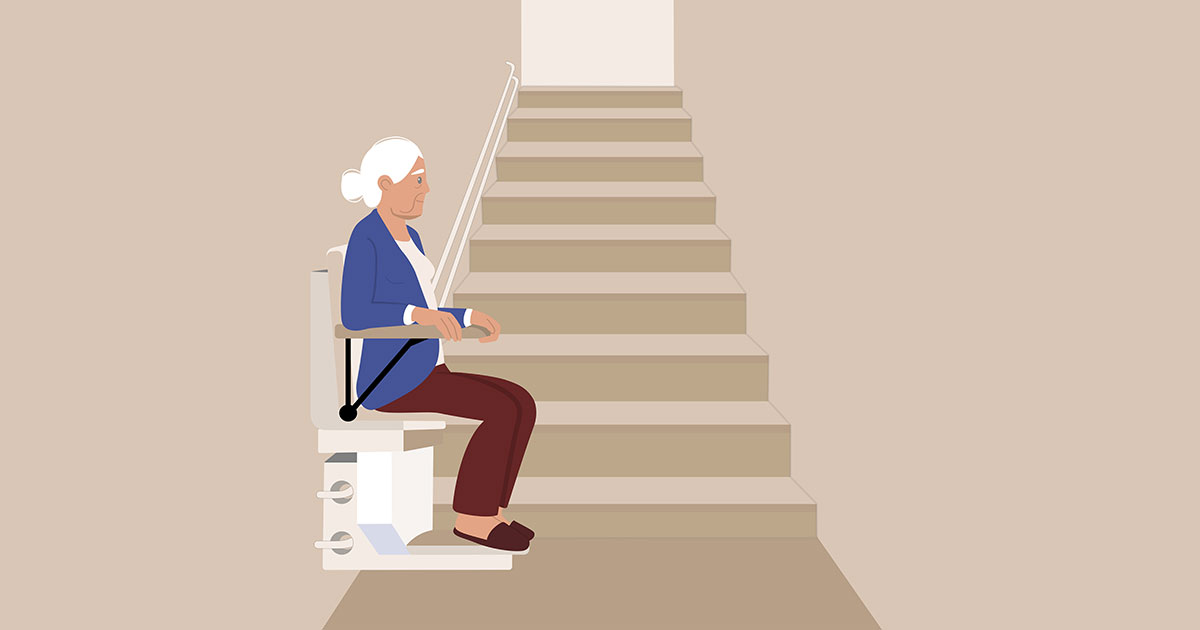
Home modifications, such as grab bars, ramps, widened doorways, and stair lifts, can make a dramatic difference in preserving independence. Grab bars in the bathroom offer stability during bathing and toileting, reducing the risk of falls. Ramps can provide easier access for those using walkers or wheelchairs, eliminating dangerous steps at entryways. Stair lifts allow individuals with mobility limitations to continue accessing all levels of their home, not just the ground floor. Even improvements like brighter lighting, non-slip flooring, and removing loose rugs can significantly enhance safety and confidence.
Still, knowing where to start can feel overwhelming. This is where having a professional, like an aging life care manager, can help. These experts specialize in assessing the whole person, not just their home, to create a plan that supports aging in place. An aging life care manager evaluates safety risks, identifies functional challenges, and recommends modifications or assistive devices based on an individual’s unique needs. They can coordinate with home health providers, occupational therapists, and community resources, ensuring the right solutions are in place.
Proactively addressing home safety
Needs change, sometimes gradually and sometimes quickly, and continuing adjustments might need to be made to ensure the home remains a safe and comfortable environment.
By taking steps today to proactively address home safety and tapping into expertise, you can maintain independence longer, reduce the risk of injury, and continue to live where you feel most at home, safely and with confidence.
