Small intestinal bacterial overgrowth is a common but often misunderstood condition in which an excess of bacteria in the small intestine causes a range of gastrointestinal symptoms.

Jane Lim, M.D., M.S.
Motility Fellow, GI Motility Program, Karsh Division of Gastroenterology and Hepatology, Cedars-Sinai Medical Center, Los Angeles, California
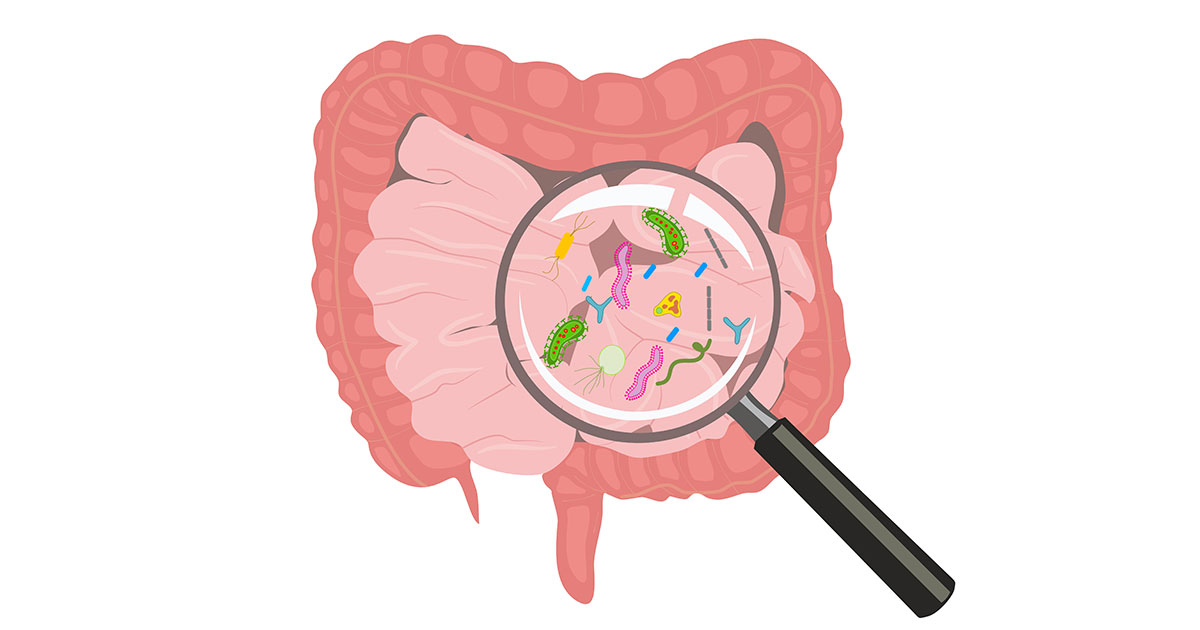
There are more bacteria found in the human intestinal tract than there are human cells in our body. Most of these bacteria live in the large bowel (colon), while fewer stay in the small bowel. Small intestinal bacterial overgrowth (SIBO) is defined as an overwhelming number of bacteria in the small intestine, resulting in gastrointestinal (GI) symptoms.
Common symptoms
The most common symptoms of SIBO are:
- Abdominal bloating: a sensation of fullness in the belly
- Distension: an uncomfortable swelling in the intestines that causes the abdominal area to visibly expand
- A change in bowel habits: changes in how the bowel movement (BM) looks and/or how often you have a BM
- Excessive belching and/or burping
- Flatulence: gas
What causes SIBO?
Certain conditions can cause a decrease or stoppage of movement in the small intestine. When this happens, the chance of developing SIBO increases. Some of these conditions include:
- Changes in the shape of the intestines due to surgeries
- Small pouches in the small intestine, called diverticula
- Narrowing of the intestines from inflammatory bowel disease or previous surgeries
- Rheumatologic diseases that affect the intestines
- Diabetes
- Scar tissue in the abdomen from previous surgeries
- Severe constipation
- Certain medications
- A past episode of food poisoning
How is SIBO diagnosed?
There are multiple ways of diagnosing SIBO. The most accessible method is carbohydrate breath testing. In this test, the person drinks a beverage containing lactulose or glucose and then breathes out into a bag at regular intervals so that the breath can be analyzed at different points during the digestion process. Raised levels of hydrogen in the breath indicate improper digestion.
Treatment options
SIBO is generally treated with antibiotics and/or dietary therapy. For patients who do not respond to antibiotics, an elemental diet can be used. An elemental diet consists of proteins, fats, and carbohydrates that are broken down into amino acids, short-chain triglycerides, and short-chain maltodextrins, and combined with vitamins, minerals, and electrolytes to form a powder. It can be quickly absorbed by the small intestine, essentially depriving small bowel bacteria of sustenance while still nourishing the individual. When utilized as a treatment for SIBO, patients typically remain on the elemental diet for two to three weeks.
Managing recurrence
Once SIBO has been successfully treated, many patients remain symptom-free for six months or longer. For those with recurrent episodes, a low-fermentation diet to aid in symptom management is typically recommended. The low-fermentation diet is a somewhat restrictive eating plan that allows patients to consume easily digested starches and sugars while limiting fermentable carbohydrates that can feed bacteria. This diet should only be used under the direction of a healthcare provider or dietitian.
Some patients may have recurrence of SIBO despite lifestyle and dietary modifications, requiring multiple courses of antibiotics per year. These patients may benefit from prescription medications such as prosecretory agents, secretagogues, or prokinetics.
