Simple diet swaps focused on fiber and plant-based protein can meaningfully support heart health every day.
Eating for heart health does not have to mean complicated rules or counting grams. According to the American Heart Association, focusing on fiber-rich foods and choosing plant-based protein more often can support digestive health, cholesterol levels, blood sugar control, and overall heart health.
Getting more fiber
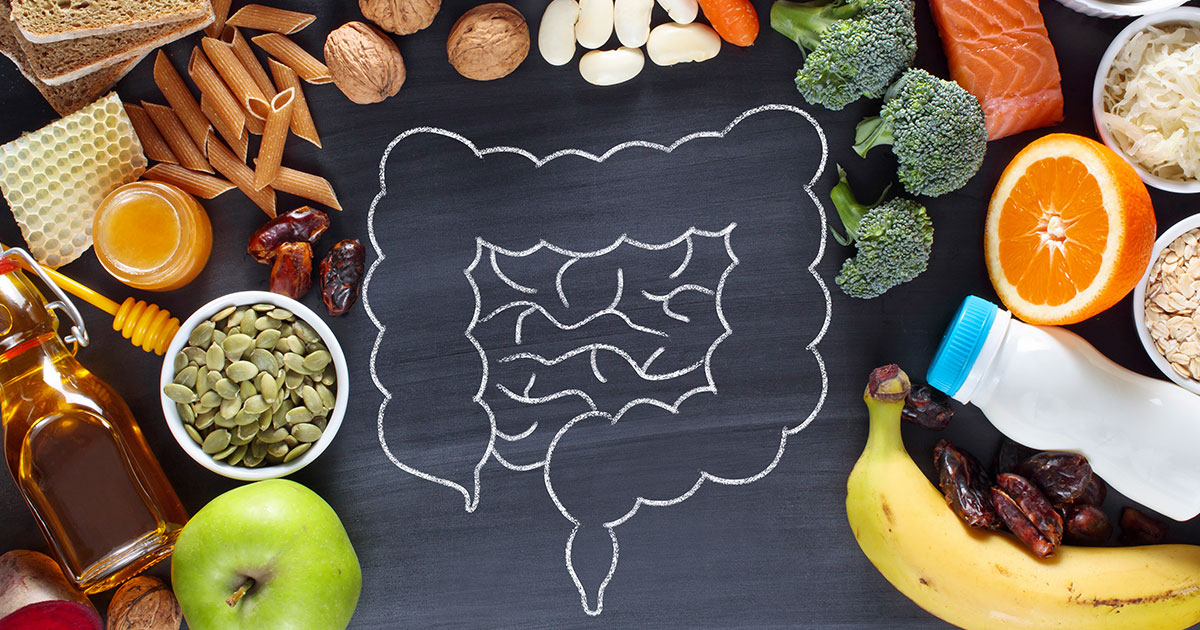
Eating more fiber benefits the body in multiple ways. Fiber supports digestive health, helps control blood sugar, lowers cholesterol, and can help with weight management by keeping you feeling full longer. Fiber is found in plant foods like fruits, vegetables, whole grains, beans, nuts, and seeds.
Try these simple, heart-healthy fiber upgrades:
- Choose whole grains. Look for breads, crackers, cereals, and pasta made from whole grains. Refined grains have the fiber-rich bran removed. Brown rice, whole-wheat bread, and oats are whole grains, while white rice and products made with refined flour are not.
- Take fiber-forward sides. Whole grains like bulgur, quinoa, and barley make satisfying side dishes. Sorghum is another gluten-free, high-fiber option that works well in baked goods or breakfast foods.
- Add vegetables often. Use fresh, frozen, or canned vegetables in soups, sauces, and stews. Stir frozen broccoli into low-sodium pasta sauce or add spinach to soups and sautés.
- Bake with bran. Add oat bran or crushed bran cereal to muffins, pancakes, or quick breads.
- Add crunch. Top yogurt with bran cereal or unsalted seeds like pumpkin or sunflower seeds.
- Add beans. Tuck no-salt-added beans into tortillas, salads, soups, and pasta dishes, or mix them with greens and garlic.
- Start with fiber at breakfast. Choose oatmeal or whole-grain cereal and add fruit like berries or bananas.
- Snack smart. Fresh fruit, raw vegetables, air-popped popcorn, whole-grain crackers, and small portions of unsalted nuts all add fiber.
Maximizing protein the heart-healthy way
You do not need to count grams to meet protein needs. A balanced diet with a variety of protein sources generally covers what the body needs.
In terms of calories, the recommendation is that 10–35% of your daily calories come from protein.
The American Heart Association recommends emphasizing plant-based protein sources, such as beans, peas, lentils, nuts, seeds, and soy:
- Lean into legumes. Beans, peas, and lentils provide protein and fiber together. A cup of cooked legumes can deliver around 16 grams of protein and significant fiber.
- Choose plant proteins first. Legumes, nuts, and lentils are naturally low in fat and free of saturated fat.
- Include fish regularly. Aim for fish and seafood two to three times per week, especially oily fish like salmon or sardines, prepared without frying.
- Be selective with meat. When choosing meat or poultry, opt for lean cuts and skinless poultry, and keep portions around 3 ounces.
- Think mixed dishes. Meals that combine vegetables and smaller amounts of protein, such as stir-fries or soups, support balanced eating.
Together, these health hacks make it easier to boost fiber, prioritize plant-based protein, and support heart health one meal at a time.
