Extraordinary progress in cancer outcomes is being made, but for millions of people worldwide, a gap between scientific advances and health system delivery means progress arrives too late or not at all.
Every year, new cancer treatments and diagnostics, vaccines, and high-performance routine screening promise better outcomes for people affected by cancer. Many of them work, and we have seen extraordinary progress in preventing, detecting, and treating cancer over the past decades — notably a 34% drop in the overall cancer death rate in the United States since 1991.
There is a gap, however, between availability and delivery where this progress is lost for millions of people worldwide, or arrives too late to matter.
This is not a scientific problem, but a systems failure. Too often, cancer outcomes are determined less by what medicine can do than by whether health systems can deliver timely, coordinated, and affordable care in real-world settings.
In some settings, a person with a suspicious symptom can move from primary care to diagnostic testing and treatment rapidly and seamlessly. In others, gaps in referral pathways, distance, and cost mean that care is delayed or never fully reached.
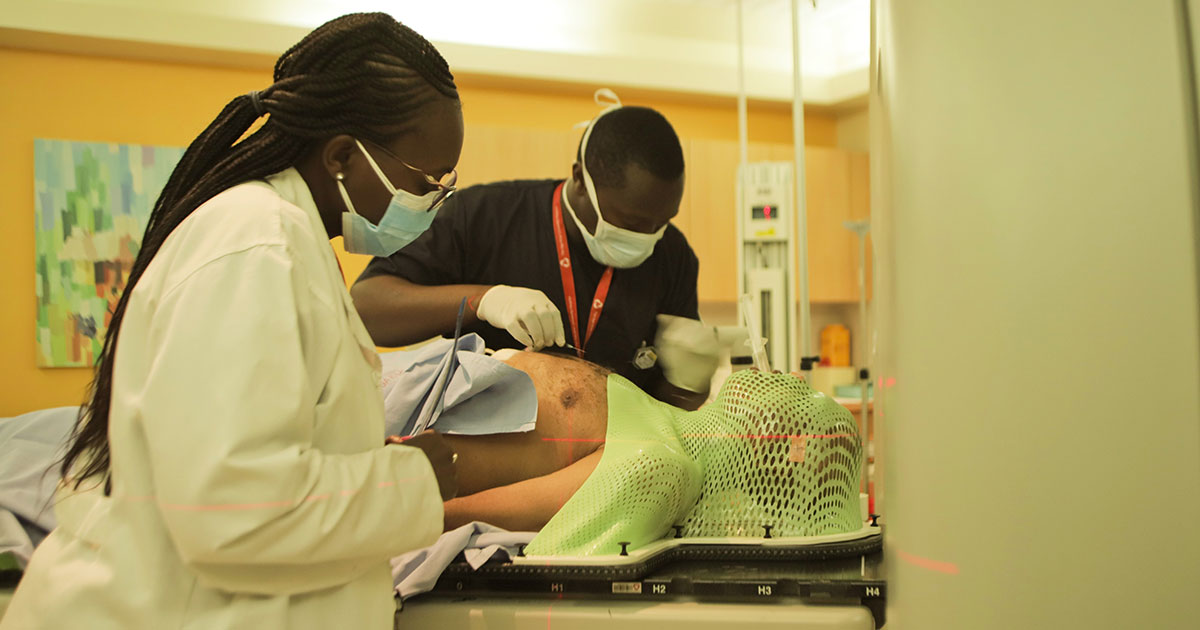
Some of these differences are due to the level of resources of the country or region, others to geographical location — whether someone lives in an urban or rural setting — and others still to a person’s socioeconomic situation, level of education, ethnicity, gender, sexual identity, or age.
Disparities in survival
Survival from cervical cancer is substantially lower among Black women than white women in the United States, for example, and among Indigenous women compared with non-Indigenous women in Canada. People living in rural areas, as well as older adults, often face poorer access to prevention, diagnosis, and treatment.
The role of data
One frequently overlooked barrier is data. Cancer registries and routine data systems allow policymakers to understand which cancers are most prevalent, who is most affected, where diagnoses are happening too late, and where survival falls short of what should be achievable.
Yet in many countries, such population-based data are incomplete or entirely absent. As a result, governments are forced to plan and invest blindly.
Pathways and national cancer plans
Health systems also need clear, functional pathways that take people from a first suspicion of cancer to diagnosis and treatment without unnecessary delay.
For many people affected by cancer, the path is currently fragmented. Cancers that could be detected early are diagnosed at advanced stages, treatments that are available go unused or arrive too late, and health systems bear higher costs for poorer outcomes.
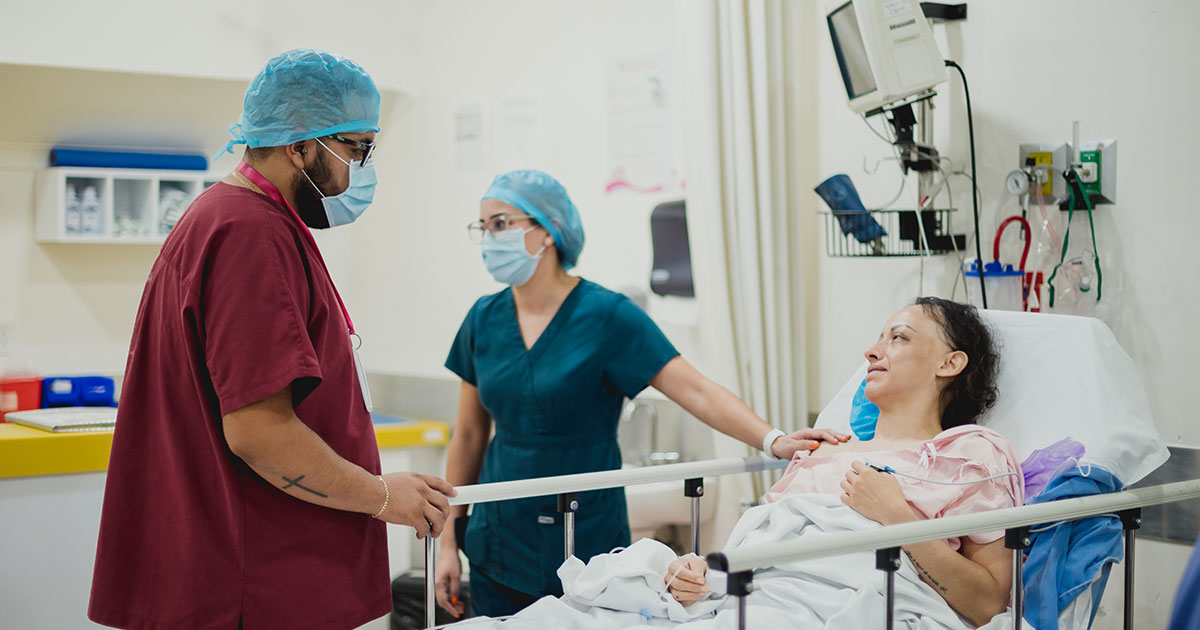
This is where national cancer control plans matter. When they are costed, funded, implemented, and aligned with broader health policies, they help governments prioritize cancer amid competing demands on limited health budgets, and coordinate services.
They are also more effective when they take into account the experiences of people affected by cancer, allowing for a more people-centered approach to how services are designed and delivered.
People-centered care
People-centered care does not mean creating bespoke care for every individual, but recognizing that people affected by cancer have lives beyond the clinic, and that factors such as income, geography, family responsibilities, language, culture, and stigma shape whether and when people seek care, and whether they are able to continue treatment once it begins.
Health systems need to bring services closer to communities; coordinate care across prevention, diagnosis, treatment, and follow-up; and provide clear information so people can navigate the system with confidence. This not only improves outcomes and quality of life, but also uses resources more efficiently.
The global cancer community is rightly focused on translating scientific discovery into better outcomes. Translation does not end with regulatory approval or clinical guidelines, however; it ends when a person, wherever they live, can access timely, effective, and appropriate care.
