Cancer vaccines, immunotherapy, and AI-driven prevention are capturing headlines, but for those on the front lines of oncology, headlines don’t save lives. Access does.
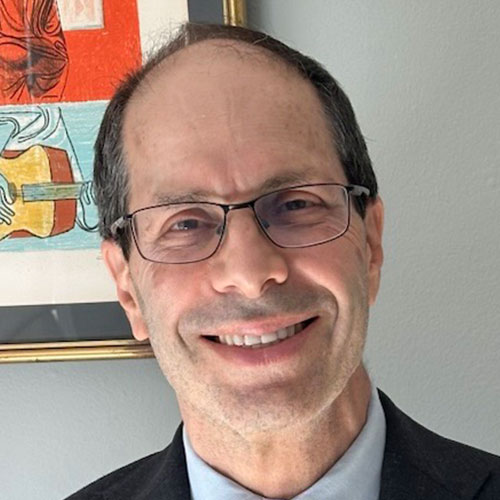
Eric J. Small, M.D., FASCO
2025-26 President, American Society of Clinical Oncology (ASCO)
Every year, doctors and care teams across the nation and around the world face a sobering reality: A breakthrough discovery in a lab in Singapore or San Francisco doesn’t do much for a patient in a rural clinic in Montana or a resource-constrained town in Mexico — unless we build a bridge to get there.
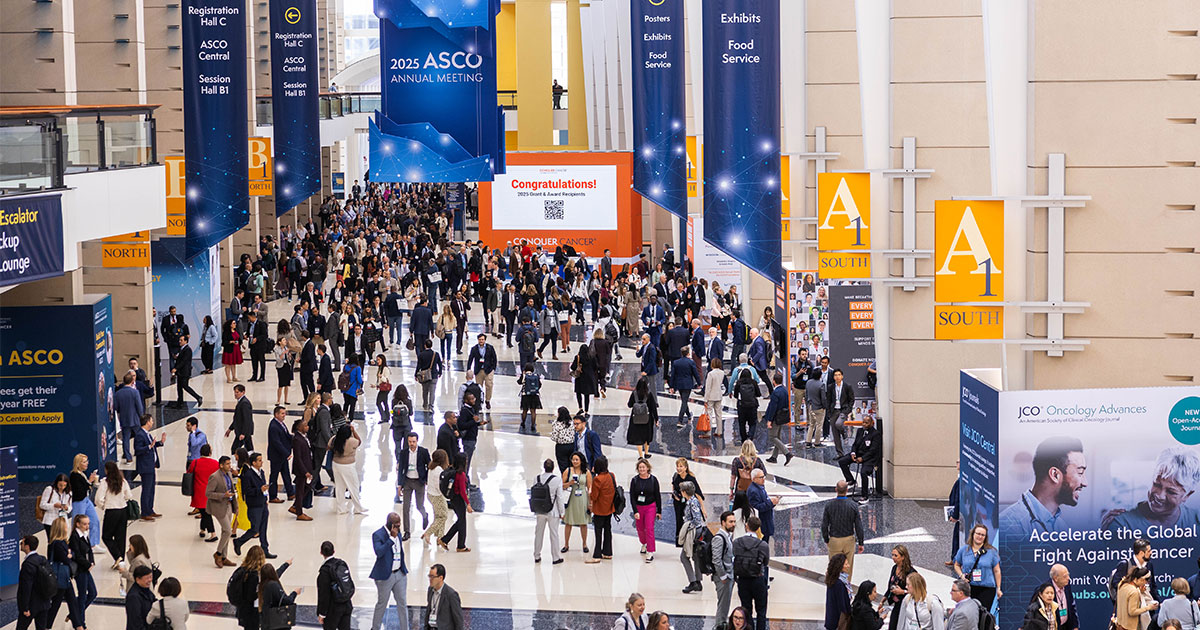
This is “The Science and Practice of Translation,” and it’s been a guiding concept for the American Society of Clinical Oncology (ASCO) leading into our 2026 Annual Meeting in Chicago this week.
Extraordinary research
We are currently witnessing an explosion of scientific momentum. In just the last year, we have seen transformative data in breast, lung, and colorectal cancers. Over the next few days, we will hear about dramatic advances in hard-to-treat cancers and in the successful targeting of molecular targets in cancer cells that have long been deemed “untargetable.”
But research is most effective in partnership with the broader community. Scientists in a lab hand off new treatments to front-line clinicians, who then return real-world feedback to the lab. For example, how does a promising new drug actually perform in a patient with three other health conditions? This cycle — from bench to bedside and back again — accelerates positive patient outcomes.
From labs to local populations
But how do you translate groundbreaking discoveries and advanced technologies from labs to clinics, and then from clinics to communities around the world? How do we share knowledge, build infrastructure, and align our resources around serving patients?
We know cancer does not exist in isolation, and neither does cancer care. Researchers and clinicians need community partners — including nurses, pharmacists, social workers, and patient advocates — to ensure that when a new therapy is approved, the local infrastructure is there to deliver it safely and equitably. This shared coordination is what turns evidence into outcomes.
A stronger tomorrow
As oncology professionals from across the globe gather at the ASCO Annual Meeting, we align around a single goal: to conquer cancer. Our program will highlight cancer research progress across topics like lifestyle factors patients can control, optimizing treatment to improve quality of life, immunotherapy advances, and new therapeutic options.
Translation is not a single step. It is a continuous cycle that connects discovery with delivery and adapts evidence to local realities. Science gives us the tools, but translation gives us the impact.
The future of cancer care will be shaped by how well we translate what we know into what we do. This requires sustained investment in science, education, and care delivery, as well as listening closely to patients and communities. By building bridges between the lab, the clinic, and the community, we ensure the next great breakthrough reaches every cancer, every patient, everywhere.
