

As personalized medicine advances, keeping the “person” at the center of “personalized” must remain oncology’s guiding principle.
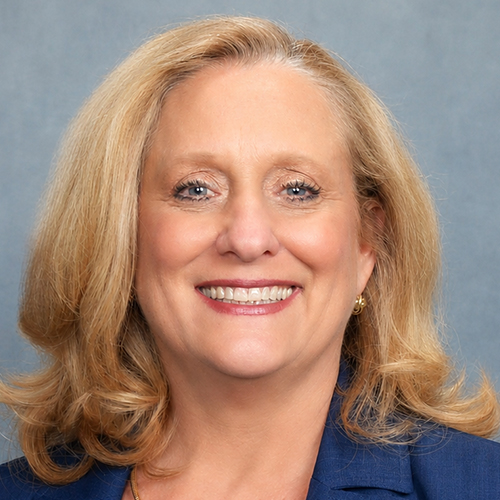
Gina Ross Murdoch, M.B.A.
President and CEO, Personalized Medicine Coalition (PMC)
The evolution of personalized medicine has altered the course of medicine, with the most advances occurring in oncology. The Personalized Medicine Coalition (PMC) defines personalized medicine as an evolving field in which physicians use diagnostic tests and individual details about a person’s health to determine which medical treatments will work best for each patient, or use medical interventions to alter molecular mechanisms that impact health. By combining data from diagnostic tests with an individual’s medical history, circumstances, and values, healthcare providers can develop targeted prevention and treatment plans with their patients.
What was once thought beyond the reach of scientific advancement is now embedded in evidence-based personalized medicine care, with molecularly targeted therapies, immuno-oncology agents, and biomarker-driven treatment selection increasingly representing standards of care across oncology. Looking at these and future innovations, it is important to maintain a vigilant focus on the “person” in “personalized” medicine.
Oncology research has made incredible advances in biomarker testing, genomic profiling, and genetic testing, offering patients a variety of tools to determine a plan. However, there is wide variation in the uniform use of these tools, even when testing is included in guidelines. When science proves that a personalized approach improves outcomes and is the preferred option for individual patients, patients should have universal access to those resources.
The patient-provider partnership
The entire cancer journey, from diagnosis through treatment selection through long-term management, relies not only on universal access to preferred approaches but on the provider-patient partnership. Care plans should be based on rigorous science, but we are reminded that protocols are ultimately executed by an individual facing a serious medical situation and potentially an uncertain health future. Therefore, the patient-provider collaboration is particularly important in precision oncology, where treatment pathways can be complex and highly individualized.
Utilizing shared decision-making approaches is paramount to engaging the patient. With some oncology approaches needing immediate or near-term execution to combat cancer, an informed patient is critical to that rapid response. Some patient-provider relationships are straightforward interactions that lead to a defined care plan. But, weighing options may involve multiple voices from the patient’s immediate and even extended family. Healthcare providers should be cognizant that individual and cultural approaches to health decisions affect serious conversations about treatment protocols, risks, and potential outcomes. These are prime examples of how the “person” in “personalized medicine” from interaction and cultural perspectives must be considered.

Further emphasizing the importance of the individual is the need to represent a wide range of individuals in clinical research. Precision oncology is driven by variability, differences in genetics, environment, lifestyle, personal characteristics, values, and social determinants of health. Inclusive participation in clinical trials and genomic studies is not only a matter of fairness but also a scientific necessity.
PMC provides a forum for these and other important conversations. We seek to achieve consensus and inform policies that support personalized medicine. At our core, we strive to ensure that the “person” in “personalized medicine” remains informed and empowered in their own cancer journey and future.
