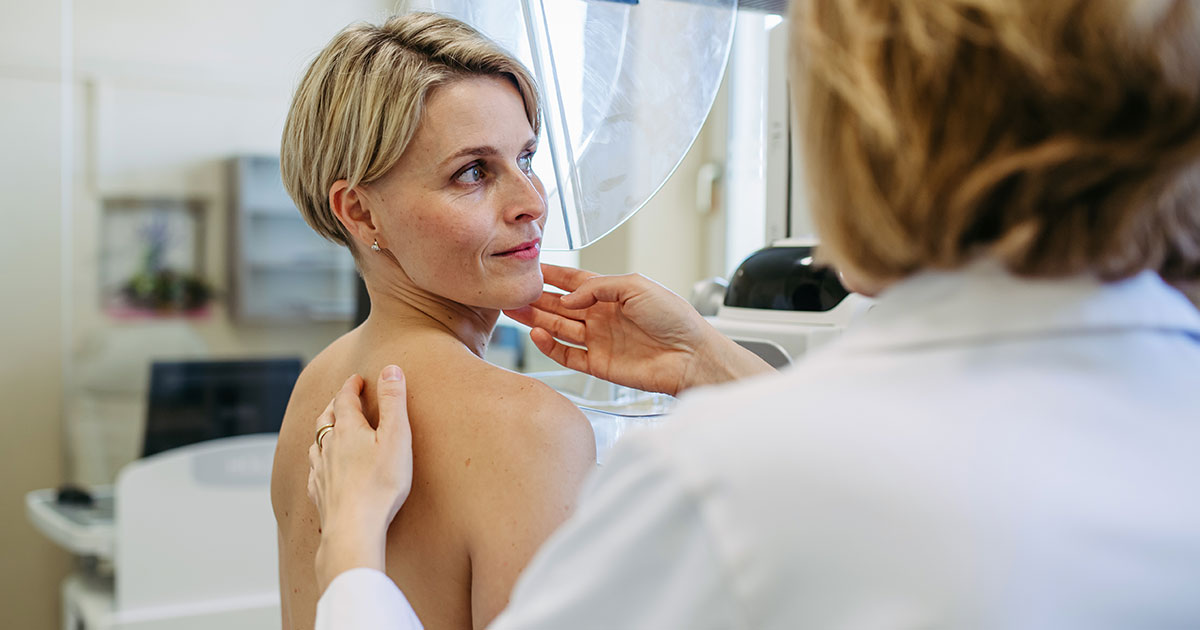
Yearly mammograms and advanced imaging techniques help detect breast cancer early, leading to better treatment options and survival rates.

Vilert Loving, M.D.
Society of Breast Imaging
In the United States, breast cancer remains the most common cancer in women. It is also the second most common cause of cancer death in women after lung cancer. According to the National Cancer Institute, in 2025, approximately 316,950 patients will be diagnosed and 42,170 will die from breast cancer in the United States.
Early detection with screening mammograms remains the most widely studied and most definitively proven method to decrease the risk of dying from breast cancer. Yearly screening mammograms reduce the risk of dying from breast cancer by up to 40%. Plus, when breast cancers are diagnosed early by screening, they are less likely to require aggressive surgeries and chemotherapy than when breast cancers are detected clinically, i.e., by feeling a breast lump or other symptom.
What questions should I ask before my mammogram?
It’s important to have your questions answered. Knowledge of expectations will help you to feel more comfortable with the mammogram appointment. Common questions include:
- What types of clothes should I wear to my appointment? (Answer: Typically, a two-piece outfit that will allow you to easily remove the top for the mammogram.)
- Is it okay to wear lotions or creams? (Answer: Avoid deodorant, lotions, and other skin products on your chest and underarm areas.)
- Will it hurt? (Answer: There may be discomfort with breast compression during the mammogram. However, most women state that the discomfort is mild and does not persist after the exam.)
- When will I receive the results? (Answer: It varies by institution. Typically, it may take up to a week, though some facilities may provide your results on the same day as your appointment.)
Overview of advanced imaging techniques
In addition to screening mammograms, there are other imaging techniques used to detect breast cancer, such as tomosynthesis, MRI, and ultrasound.
Yearly screening mammograms are recommended for all women over age 40. In certain situations (e.g., women with dense breasts or elevated breast cancer risk), these other imaging tools may be recommended to supplement breast cancer screening in addition to yearly mammograms. Speak to your healthcare provider if you are wondering if these supplemental imaging tests are appropriate for you and/or if a more intensive breast screening schedule is appropriate.
These advanced imaging techniques may be used to further evaluate a finding identified on screening mammograms. The tools provide additional information that can help the radiologist determine if the finding is concerning.
These advanced imaging techniques may also be used to further evaluate a finding identified by yourself or your healthcare provider’s clinical exam, such as a breast lump.
What is the ABCD Act?
The Access to Breast Cancer Diagnosis (ABCD) Act is a bipartisan bill introduced into Congress. The bill would require full insurance coverage for diagnostic and supplemental breast imaging exams, with no out-of-pocket patient costs. This coverage would include the advanced imaging techniques described above, with the goal of decreasing financial barriers for the diagnosis of breast cancer.
How does patient-provider communication pair with advanced imaging to improve outcomes or provide personalized care?
Advanced imaging is most helpful when used appropriately. There is no single breast imaging technique that is best for all people in all situations.
National guidelines from medical experts typically categorize the optimal breast imaging recommendations based on individuals’ clinical symptoms, age, and breast cancer risk status. For example, a 30-year-old woman with a family history of breast cancer who is interested in breast cancer screening will receive different imaging recommendations compared to a 70-year-old woman with no family history of breast cancer and a new right breast lump.
If you notice a new breast problem or have questions about your recommended breast cancer screening schedule, please discuss these questions with your healthcare provider as soon as possible. Based on your symptoms, personal health history, age, and other risk factors, you and your healthcare provider can create a breast imaging plan that is best suited to your personal situation.
Radiologists are physicians with expert training in breast imaging, and they can assist with the decision-making process for your breast health evaluation.
