
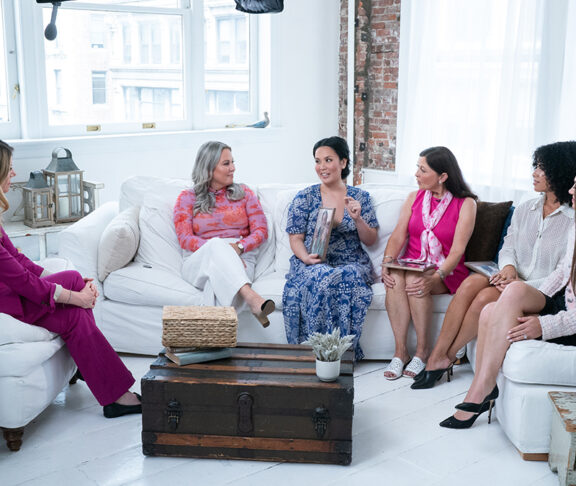
Roughly 1 in 8 women will be diagnosed with breast cancer, and while the five-year survival rate now exceeds 90%, navigating life after treatment presents its own set of hurdles. SurvivorNet’s new series, “The Breast Cancer Dialogues,” explores these realities through powerful discussions between survivors and physicians on everything from fear of recurrence to rebuilding confidence after cancer.
SurvivorNet’s “The Breast Cancer Dialogues” is a candid conversation series that provides a space for survivors and leading clinicians to come together to explore life after treatment ends with unflinching honesty and hard-won optimism.
Each of the women featured embodies how rewarding life can be on the other side of cancer. Alison Hall, a national television correspondent for the syndicated television newsmagazine “Inside Edition”, moderated the series’ third episode. Hall shared her own breast cancer diagnosis publicly and helped others see that strength and vulnerability can coexist.
Meanwhile, panelist Amanda Butler, a fitness instructor who faced breast cancer at the peak of her career, found a new sense of gratitude for her body. She now uses movement to empower others, teaching clients that health is not just about aesthetics but about survival, balance, and joy.
Anna Crollman, diagnosed at 27, transformed her pain into purpose by launching a thriving career in marketing and using her platform to advocate for young survivors navigating infertility and body image after treatment.
Joshalyn Mills turned survivorship into entrepreneurship, launching her own business from the ground up and earning her first half-million dollars after cancer. Her story is one of reclaiming confidence, independence, and possibility.
Viviana Figueroa, once sidelined by treatment, laced up her running shoes again and returned to marathon racing, showing that strength and endurance don’t end with a diagnosis; they evolve. Together, these women embody what transformation truly means: not just surviving cancer, but thriving far beyond it.
Hall says the series is as much about solidarity as it is about information, saying, “I have gained so much from the friendships that I have made and the people that I have connected with.”
Storytelling: the heart of SurvivorNet’s mission
SurvivorNet’s mission is to pair expert-driven patient education content with human stories that provide hope and inspiration to people facing cancer. The streaming network and online resources prioritize putting survivors and their lived experiences at the center of the narrative.
“What becomes so apparent over and over again is that when women with breast cancer can come together to connect, there is an extraordinary impact,” said SurvivorNet CEO Steve Alperin. “Sharing dreams and hopes and pain is a real part of healing. ‘The Breast Cancer Dialogues’ is our way of connecting, inspiring, and showing women that they can make it through this.”
That ethos is evident throughout the series, as women share hard-won lessons and the everyday tools that help them move through fear and uncertainty.
The conversations on the couch
Across the couch, survivors speak with a candor that’s both bracing and hopeful. Creative marketing specialist and mom Anna Crollman reflects on a decade of survivorship and the power of being seen: “Speaking with all these women today, I think it really does bring back so many of those memories. To realize that, while our lived experiences with cancer might be unique, we have a shared common experience, it’s really special to be here in this space with everyone today.”
Fitness instructor Amanda Butler reframes body image after treatment: “Now at the end of this entire journey, when my body’s been through so much, I’m just so proud of her and I never talk badly about her… I’m so grateful for fitness as the tool, and I’m so grateful for just where I’m at today — healthier and probably in better shape than I was before.”
Irene Hong captures the mindset shift that so often comes with survivorship: “Life will never be the same. I am now Irene 2.0 instead of the old Irene, and that’s OK.”
Doctors weigh in on survivorship
The episodes feature two widely respected clinicians who meet patients where they are and help them look ahead.
Breast surgical oncologist Dr. Elisa Port sets the tone, saying, “I really never get tired of talking to my patients and other breast cancer survivors about making smart choices about their health and living a long, healthy life after their diagnosis.” Later, she underscores why there’s room for optimism: “The beauty of the breast cancer situation is we have so much to offer. There’s so much in our control that can give someone a good outcome. We have so many treatments that work.”
Medical oncologist Dr. Danielle Seidman defines survivorship plainly and compassionately, saying, “Being a breast cancer survivor starts the moment you are diagnosed. So, survivorship is really everything that comes afterwards.”
On the creeping worry many feel after treatment ends, she adds: “It’s okay to have that fear, but you can’t live in that fear forever. Learning to trust your body takes time.”
The SurvivorNet difference
SurvivorNet’s editorial approach blends expert guidance with lived experience, so viewers don’t just hear what to do, but how it feels to do it. As Hall says in the episode’s spirit, there’s room for both realism and hope.
“Our goal in creating ‘The Breast Cancer Dialogues’ is to provide some tangible support, because, for so many women these days, after breast cancer, life can be really amazing.”
“The Breast Cancer Dialogues” are now streaming on SurvivorNet. For more information or to watch “The Breast Cancer Dialogues,” visit SurvivorNet.com.
