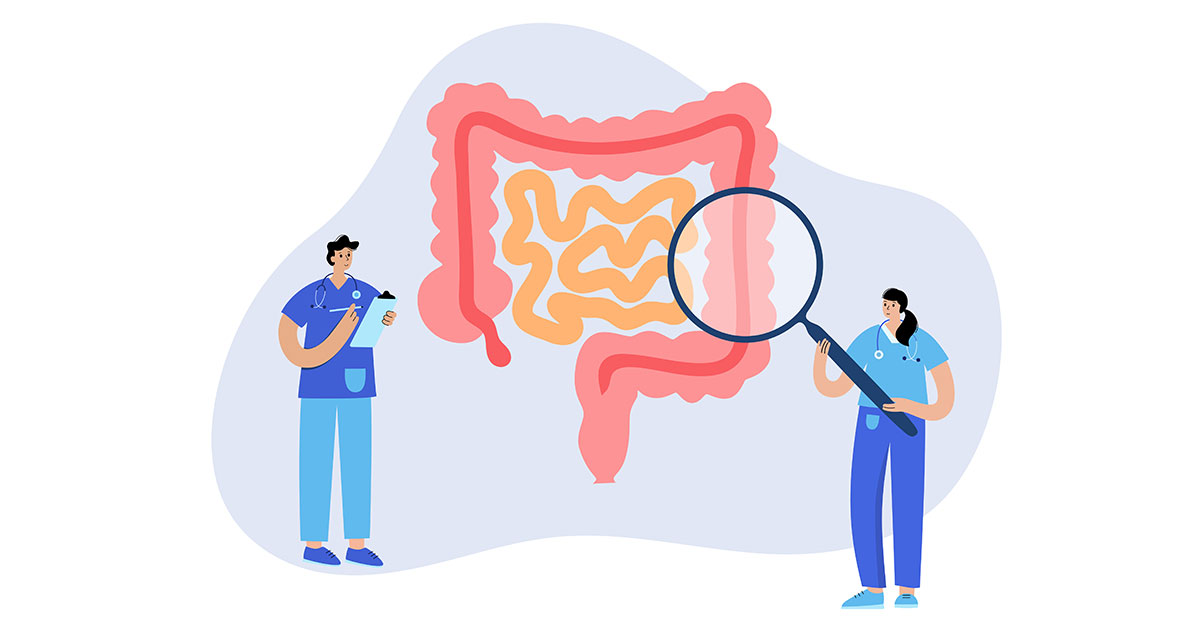
Our panel of experts discusses the biggest barriers to colorectal cancer screening, and what patients, providers, and advocates can do to close the gap.
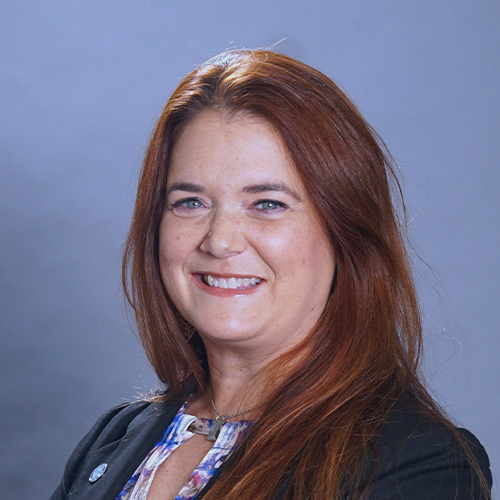
Erin Peterson
Senior Director of Advocacy, Colon Cancer Coalition
Where do you think the biggest barrier is today when it comes to colorectal cancer screening?
The Colon Cancer Coalition recently surveyed patients across the country about why they may be hesitant about having a colonoscopy. Overwhelmingly, people shared they are uneasy about the bowel prep that is required before the procedure. Many patients have heard stories from others about how the prep is awkward and uncomfortable. The good news is that patients who make the effort to have a screening colonoscopy report that the prep was not as bad as they feared, and having the colonoscopy was worth the peace of mind it provided.
What is most effective in getting people to actually complete screening once they become eligible?
Patients are resistant to colorectal cancer screening because it feels like an enormous undertaking, when in reality, screening for colorectal cancer can be very simple. Learning that there are screening options other than colonoscopy helps remove some of that pressure. Patients can then talk to their healthcare provider about these non-invasive tests, discuss their risk factors, and find the colorectal cancer screening test that is right for their situation.
What do you think will have the biggest impact on improving early detection going forward: better access, better education, or better follow-through?
Increasing screening and early detection requires an all-hands-on-deck approach. Each person has their own barriers to overcome to complete a colorectal cancer screening. Educating patients about their choice of colorectal cancer screening options will increase access to screening for all Americans. As non-invasive colorectal cancer screening options become more and more popular, it is also important that patients and their healthcare providers complete a full screening. When a patient has an abnormal result on a non-invasive colorectal cancer screening test, the follow-up colonoscopy is imperative to complete a screening, find the cancer, or even rule it out.
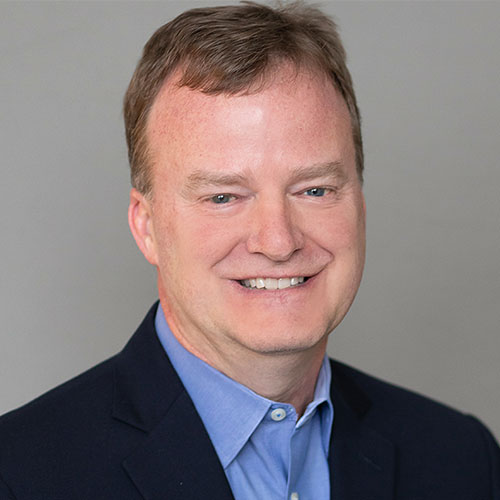
Paul Limburg, M.D.
Chief Medical Officer, Screening, Abbott Cancer Diagnostics
Where do you think the biggest barrier is today when it comes to colorectal cancer screening?
I think the biggest challenge is that too many eligible adults never complete any screening at all. Colorectal cancer is one of the most preventable cancers, yet millions of Americans remain overdue for screening.
The primary screening barriers are often related to practical considerations, such as logistics and access. People are busy. They may be unaware, anxious, or intimidated by the whole process. For screening options that require an office or hospital visit, patients may face challenges with respect to procedure scheduling or time away from work. On the delivery side, healthcare providers and clinics are continuously trying to balance an increasingly complex demand for finite colonoscopy capacity.
Since we know there is not a single screening solution that meets everyone’s needs, it is really important to offer evidence-based options that can be matched to each individual patient’s goals and preferences. Using a more personalized approach should help to increase the number of people who get effectively screened the first time and then stay up to date with subsequent screening recommendations over the course of a lifetime.
What is most effective in getting people to actually complete screening once they become eligible?
The most effective approach is to allow patients to make an informed choice about what screening option works best for them. This requires providers to be knowledgeable about the performance, adherence, follow-up, and other key attributes for each guideline-recommended strategy.
We know that when barriers are reduced, participation increases. We also know that patients have different preferences. Some prefer a non-invasive option like Cologuard that they can complete at home, while others may want to pursue a screening colonoscopy.
It’s also important to note that if an initial noninvasive test returns a positive or abnormal result, screening isn’t finished until a follow-up colonoscopy is completed. High adherence throughout the entire patient journey is essential for any screening program to achieve its intended benefits and impact.
It’s critical that people understand their options and choose a screening test that’s right for them.
What do you think will have the biggest impact on improving early detection going forward: better access, better education, or better follow-through?
The reality is that all three matter. The good news is that we have many effective, guideline-endorsed screening options. The challenge is ensuring that people take action to both initiate and complete the screening process.
I think the future is about creating a more patient-centered screening ecosystem — one that combines high-quality screening tests with broad education, convenient access, and strong follow-up pathways. If we can improve initial participation and follow-up completion rates across the entire screening journey, we have a tremendous opportunity to detect more cancers early and prevent many others before they develop.
