
There’s a significant maternal health crisis in America. Recent data shows the maternal mortality rate is nearly 19 maternal deaths for every 100,000 live births. For Black, non-Hispanic mothers, the rate is more than 50 deaths for every 100,000 live births. That’s the highest maternal mortality rate globally across developed countries.
The overwhelming majority (80%) of these maternal deaths are preventable, and more effective solutions exist but aren’t being used.
“We can’t be the country that we say we are, and the leader we say we are and aspire to be if we are forgetting about our moms and leaving them to fend for themselves,” said Jocelyn Frye, president of the National Partnership for Women & Families (NPWF). “There’s so much that we could be doing to support new moms.”
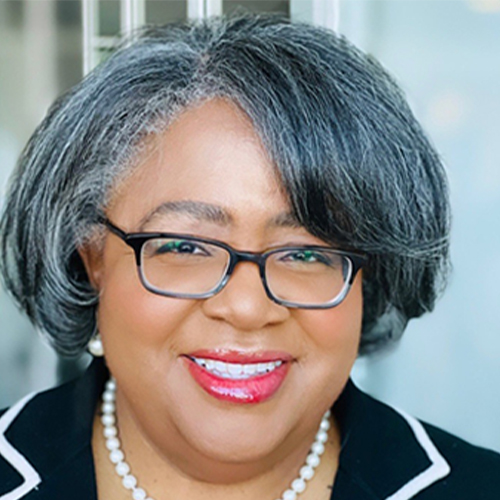
Jocelyn Frye
President, National Partnership for Women & Families (NPWF)
NPWF has surveyed thousands of mothers of infants and toddlers since 2002. Their nationwide initiative, Listening to Mothers, gathers insights from birthing women about pregnancy, giving birth, and postpartum support for them and their babies.
The newest survey of 3,800 mothers, Listening to Mothers IV, shows gaps in access to high-quality care, disrespect and disempowerment of birthing women, and unmet medical, mental health, and social needs for birthing women. NPWF partnered with Black Mamas Matter Alliance and MomsRising for the survey.
Too little access to high-quality care
“Luck alone should never determine if somebody can live or thrive, and too often it does,” said Kristin Rowe-Finkbeiner, executive director and CEO of MomsRising. “We need emergency national change to address the emergencies facing moms across America.”
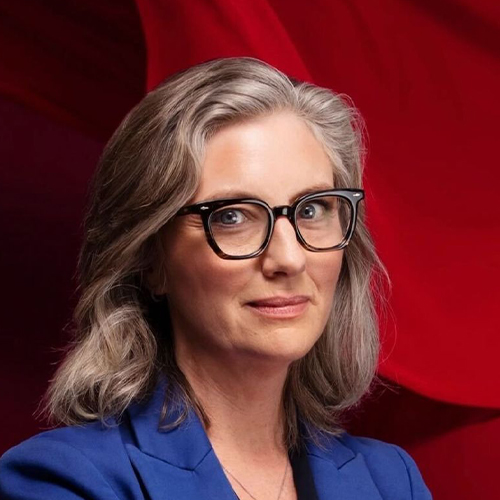
Kristin Rowe-Finkbeiner
Executive Director and CEO, MomsRising
It’s critical that women have access to healthcare near where they live, including doctors, midwives, and doulas. NPWF wants to ensure women have access to these professionals, as well as community-health workers, lactation support, and childbirth educators.
Respectful care
Survey responses show birthing women don’t always feel respected. For example, 40% of mothers didn’t feel heard and listened to by their providers.
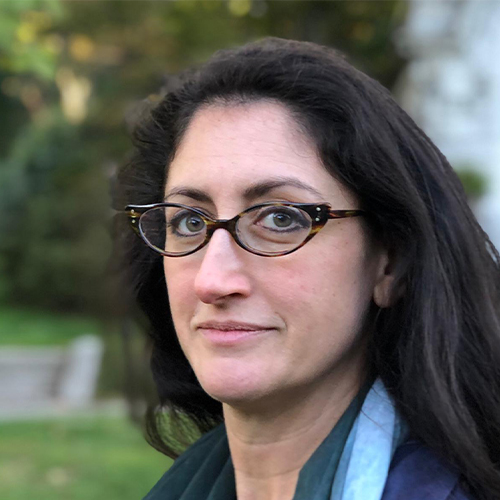
Nan Strauss
Senior Director of Maternal Health, National Partnership for Women & Families (NPWF)
“People talk about things that didn’t go well that stick out to them,” said Nan Strauss, senior director of maternal health at NPWF. “It’s not feeling heard, listened to, or valued; being treated disrespectfully; not feeling informed; and also experiencing discrimination.”
NPWF is calling for respectful care for every mother and every birth, including developing a system for mothers and families to report instances of disrespectful care.
Unmet mental health needs
The survey shows many birthing women have mental health concerns. Overall, 20-25% of respondents experienced symptoms of depression, and 35-45% experienced symptoms of anxiety before, during, and after pregnancy.
More than half of postpartum women surveyed didn’t receive treatment for their treatable mental health conditions.
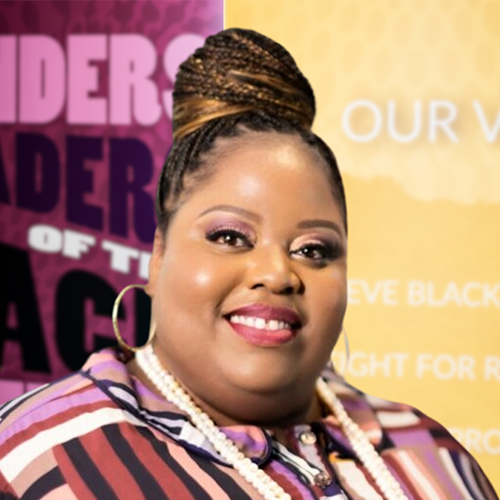
Angela Doyinsola Aina, Dr.P.Hc., M.P.H.
Co-Founder and Executive Director, Black Mamas Matter Alliance (BMMA)
“Although Black mothers and birthing people experience higher rates of depressive symptoms, studies have shown that they were significantly less likely to seek and receive treatment for maternal mental health conditions,” said Angela Doyinsola Aina, Dr.P.Hc., M.P.H., the co-founder and executive director of the Black Mamas Matter Alliance (BMMA).
Solutions
NPWF is calling for solutions that close persistent gaps in maternity care coverage, access, and quality, namely expanding team-based models of care that integrate midwives, doulas, and community health workers alongside medical providers, while ensuring these supports are covered and sustainably paid for. The organization is also urging stronger accountability for equitable, respectful care that centers women’s voice and choice; a strong Medicaid program and improved maternal mental health coverage; and robust social support infrastructure like paid family and sick leave that help families thrive before and after birth.
Without continued investment and action, the nation risks losing hard-won progress toward safer, more equitable care for women and families.
“The solutions are out there, but they remain vastly underutilized,” Strauss said. “They’re not available, they’re not prioritized, they’re not funded. And new moms and babies are the ones who are paying the price, and those are the very people that as a society, we need to be investing in.”
Click here to read the full Listening to Mothers report
