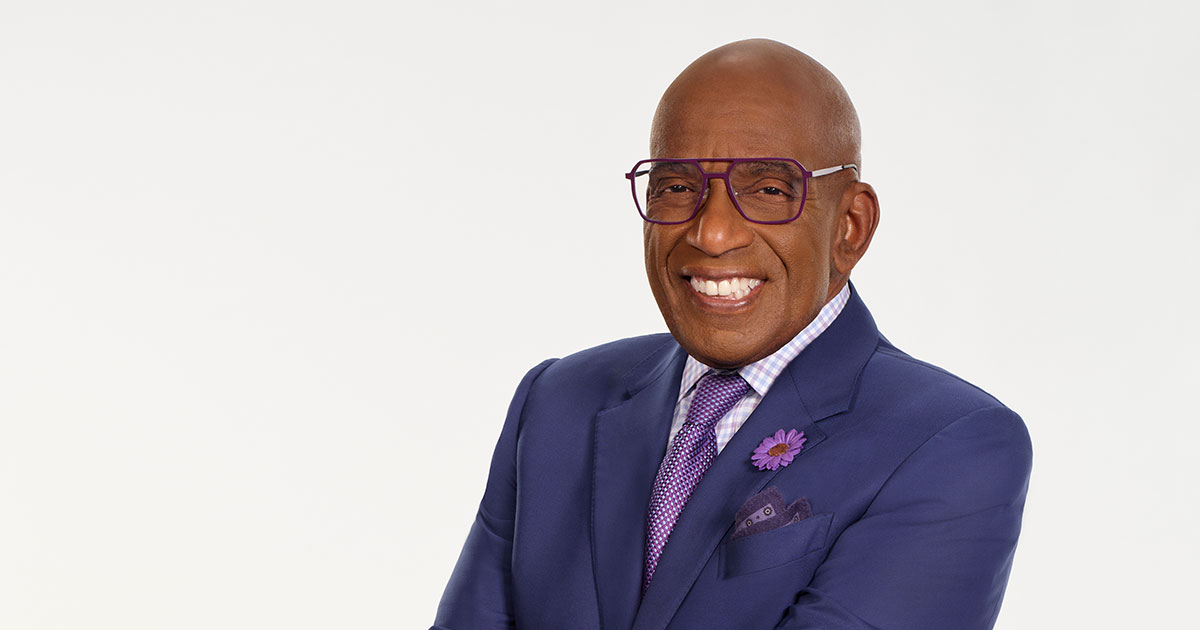
NBC’s Al Roker has been candid about his prostate cancer diagnosis and recovery. Here, he speaks about early detection, the importance of advocacy, and what he’d tell anyone facing a diagnosis today.
You’ve been open about your cancer experience. How has it changed the way you think about your health day to day?
I do think about my health a lot, just because, unfortunately, I’ve been a frequent flyer when it comes to healthcare. Going all the way back to when I first started at WNBC in New York, I had to have my appendix removed, I had a horrific car crash … I’ve just had a number of things that landed me in the hospital.
I’ve always been very aware of my health, and I’m not one of those people who puts their head in the sand. I feel like you only have one body, so you have to try to be as healthy as possible.
My mom had lung cancer twice and breast cancer twice, so I’ve always been pretty aware of that. I believe in checkups. I’m very fortunate because I have really good healthcare, and I’m able to see my doctor and talk through what I’m feeling. A lot of people don’t have that good fortune. So, I’ve always tried to be pretty proactive about my health.
Looking back, how important was early detection in your experience?
It was everything. It was during the pandemic, and I hadn’t had my annual checkup for about a year and a half. So, I went in, and my doctor said, “Your PSA (prostate-specific antigen) levels are up.” It could’ve been an infection, but we tested again, and they were even higher.
That got the ball rolling. As it turned out, I had a very aggressive form of prostate cancer. Had I waited longer, I might have had a different outcome. But we caught it early, got biopsied, and moved fairly quickly.
I met with surgeons, radiology, CyberKnife — different options — and I just felt like, “Let’s not mess around. If we can take it out, let’s do it.” That’s what I did. Never looked back.
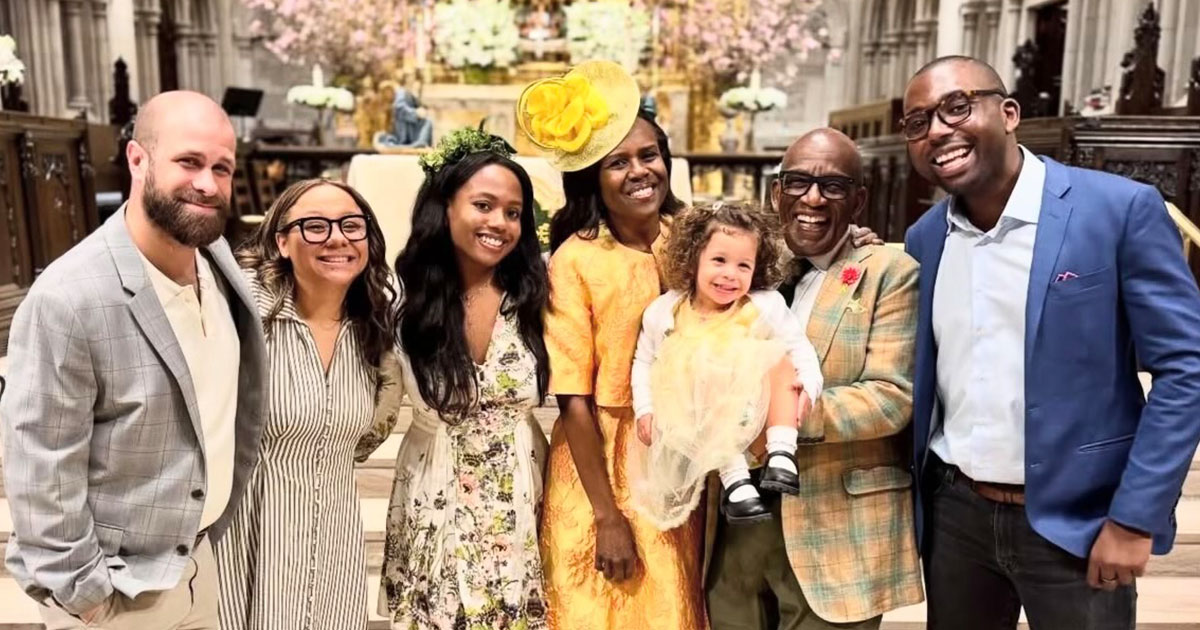
Now, it’s been five years, and knock on wood, there’s still no detectable prostate cancer. It kind of jump-started me into taking better care of myself. My doctor wanted me to walk five miles a day to help with healing, and I took that to heart.
Where do you think the conversation around cancer still needs to improve, especially for men?
For men — and especially men of color — there’s still discomfort around it. Guys need a reason to do this beyond themselves. If you don’t want to do it for yourself, do it for the people in your life — your spouse, your kids, your grandkids. People want you around.
Sometimes it takes the women in a guy’s life to gently push them to get checked. But at the end of the day, if you don’t take care of yourself, you can’t take care of your family.
I hate not knowing. I’d rather know and deal with it than ignore it. That’s really what it comes down to.
From your perspective as a patient, what part of the healthcare experience could be better today?
I’ve been very fortunate. I’ve had terrific doctors and nurses who take the time. But I know that’s not everyone’s experience. A lot of people are already behind the curve, depending on their coverage.
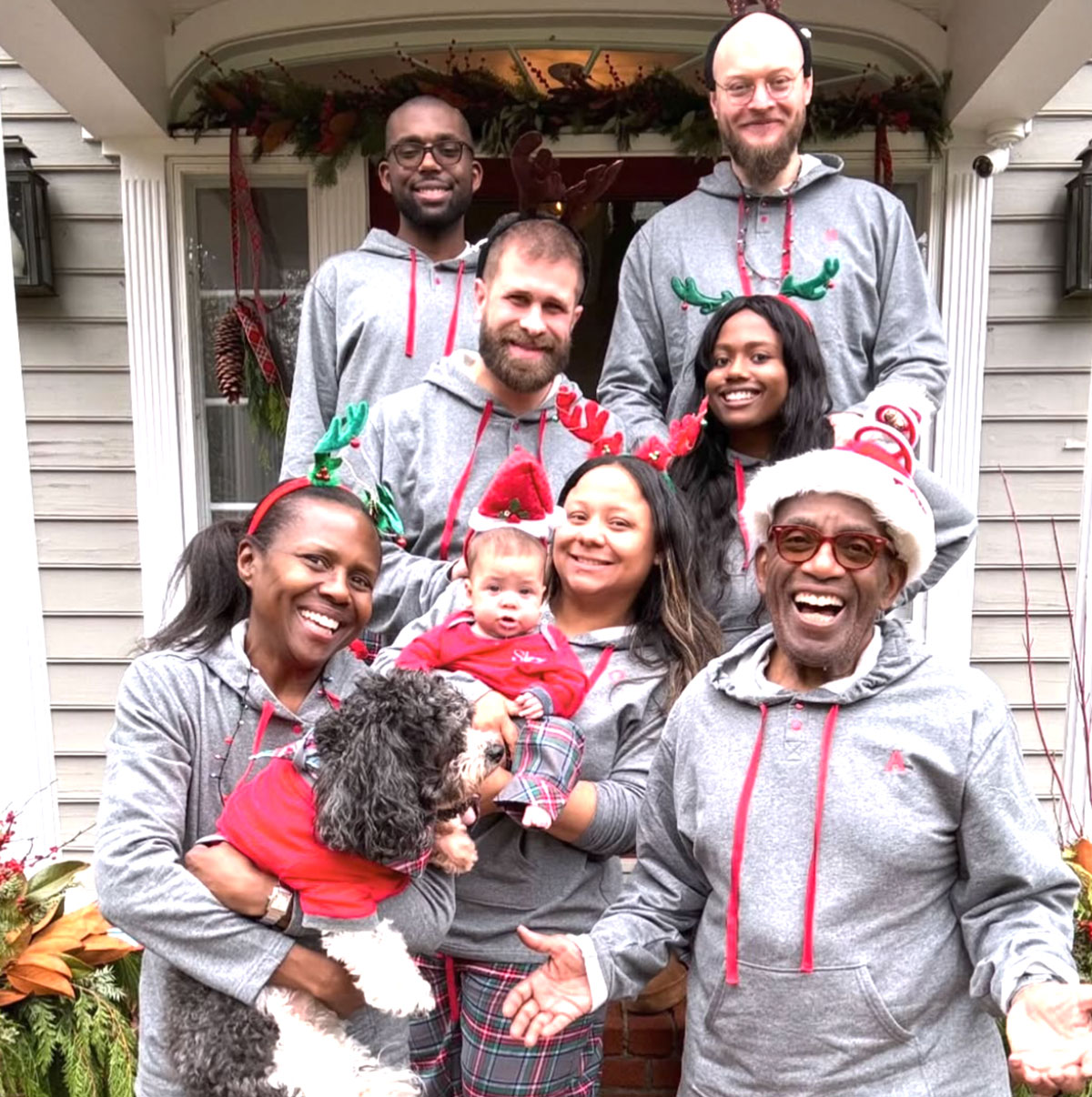
One big thing is having an advocate. When you get a cancer diagnosis, everything goes out of your head. You’re just not listening. When my doctor told me, my mind went blank.
You need somebody there with you — someone who can absorb information, ask questions, and help guide you. My wife has been a great advocate for me.
Then there’s the cost. Medical care is out of control. Americans deserve a healthcare system that isn’t going to bankrupt them. We’re one of the most advanced countries in the world; there’s no reason everyone shouldn’t have access to good healthcare.
What gives you the most hope when you think about the future of cancer care?
I think it’s the democratization of information, but it’s a double-edged sword. There’s so much information now that it can be overwhelming.
You get your lab results instantly through a portal, and you’re reading them thinking, “What does this mean? Is this bad?” Then you start Googling, and suddenly you’re convinced it’s the worst-case scenario.
Knowledge is power, but without context, it can be scary. You’re not a doctor, so interpreting all of that can be difficult. We live in a time where there’s so much information coming at us, but not always the guidance to understand it. That’s something that still needs to improve.
What would you say to someone who has just been diagnosed?
First, take a deep breath. Really take a deep breath.
Hopefully, you have somebody you trust with you — someone to hold your hand and help you process everything, because you’re going to be inundated with information and opinions.
At the end of the day, you and your circle have to decide what’s right for you. It may not be what others agree with, and that’s OK. It’s your life.
Whatever path you choose, realize nothing is etched in stone. If something isn’t working, you can change course. Don’t be afraid to do that.
You’re going to have moments where you’re upset and angry; that’s normal. But then you have to move forward. If you’re fortunate enough to have good people around you, that makes all the difference. Ultimately, it’s about accepting what’s in front of you and figuring out how to move forward.
