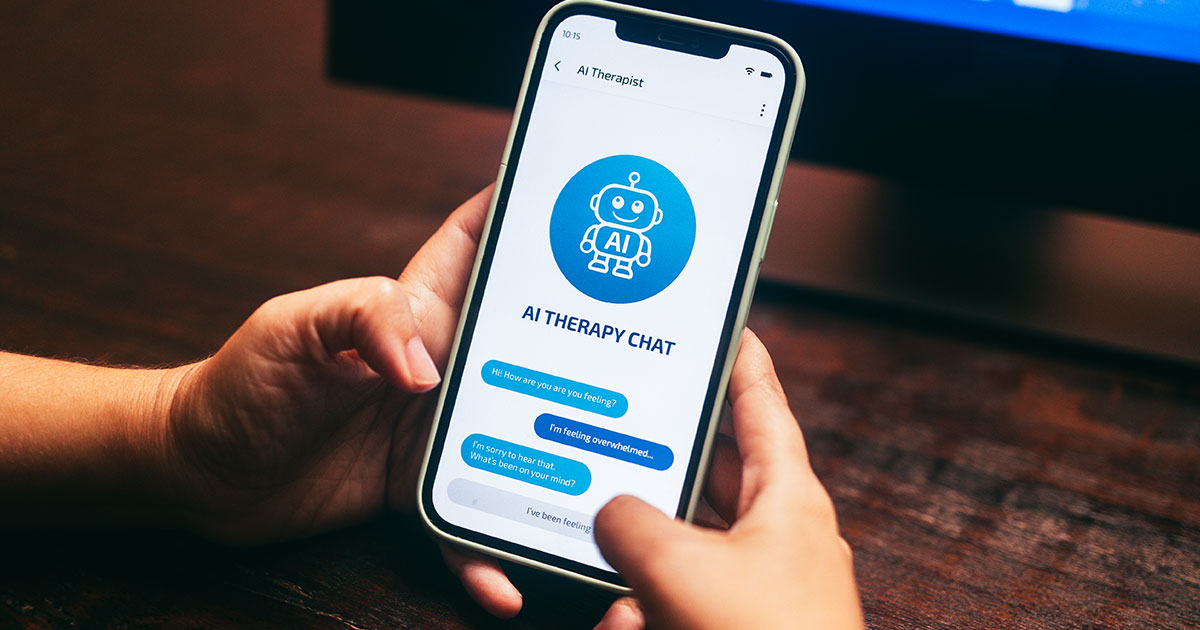
Artificial intelligence has entered behavioral healthcare, offering both promise and peril — and the line between what it can support and what it must never replace is clear.
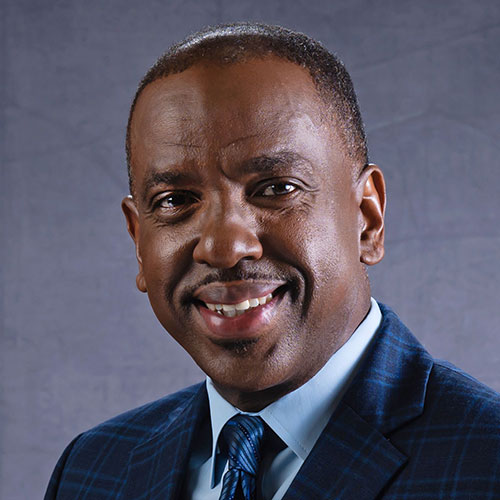
Terrence D. Walton
Executive Director and Chief Executive Officer, NAADAC, the Association for Addiction Professionals
AI can expand access, especially in under-resourced communities, by providing timely support, identifying patterns in large datasets, and helping connect individuals to care. Research shows these tools can enhance early intervention and personalize treatment in ways that were not possible before.
But as AI becomes more sophisticated, a critical question emerges: What can it replace, and what must it never replace?
The irreplaceable human connection
For the behavioral health workforce, including addiction professionals, the concern is real. Some fear that AI could be used as a substitute for human care. That would be a mistake, and, ultimately, it is not possible.
Decades of treatment research and practice show that one of the strongest predictors of successful outcomes is the connection between one human being and another. Trust, empathy, and shared understanding are not features that can be programmed or automated.
AI can support care. It can extend reach. It can strengthen decision-making. But it must be designed to enhance, not replace, the skilled professionals who guide individuals and families through recovery and healing.
As policymakers and payers consider how to integrate AI, they must ensure that innovation strengthens — not sidelines — the behavioral health workforce. Technology can assist healing. Only people can deliver it.
