Sickle cell disease affects about 100,000 Americans, yet it remains widely misunderstood. However, transformative new gene therapies are raising both hope and hard questions about access and cost.
Melissa J. Frei-Jones, M.D., M.S.C.I., FAAP
Member, American Society of Pediatric Hematology/Oncology (ASPHO); Professor and Clinical Fellowship Program Director, Pediatric Department, Pediatric Hematology-Oncology Division, University of Texas Health Science Center at San Antonio
Although sickle cell disease (SCD) is the most common inherited hemoglobin disorder in the United States, often called the first molecular disease, most Americans are unaware of its existence. SCD is detected by newborn screening at birth, allowing early identification and treatment to prevent complications. About 100,000 people are living with SCD in the United States, with 2 million to 2.5 million people carrying sickle cell trait.
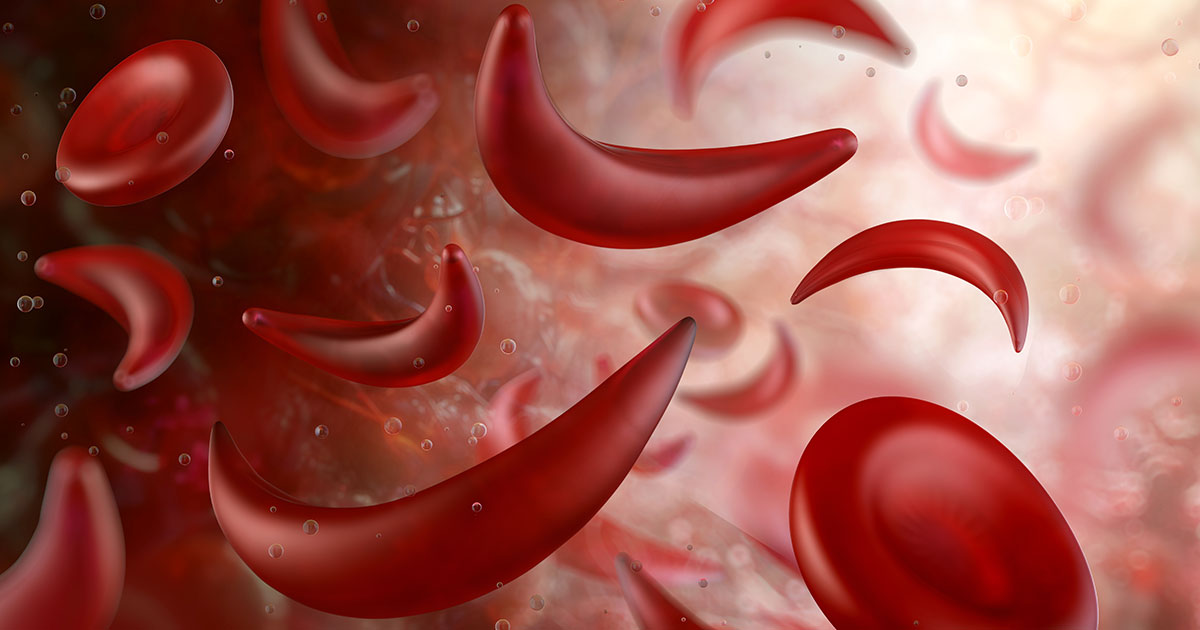
In SCD, red blood cells are more fragile and break apart easily, leading to severe anemia, as well as changing shape from a flexible, round disc to inflexible, sickled cells. These two processes cause a range of complications, from increased risk of infection to stroke to severe pain that may occur in any part of the body. Modern treatments, including prophylactic penicillin, vaccines, and hydroxyurea, have dramatically improved survival to adulthood from 70% to more than 95%. However, many patients still face lifelong disability due to pain, stroke, and end-organ damage resulting in heart failure, kidney disease, and pulmonary hypertension, with overall diminished life expectancy.
A breakthrough and a barrier
In December 2023, the Food and Drug Administration approved two separate, potentially curative gene therapy treatments for SCD. Although bone marrow transplantation demonstrated the feasibility of replacing red blood stem cells to cure SCD over 30 years ago, many patients do not have suitable donors, making that option out of reach. The availability of gene therapy for SCD allows the patient’s own stem cells to be collected and transformed to achieve a cure, making the need for a suitable donor obsolete and opening the option of a cure to many more patients.
The approval of SCD gene therapy was met with much celebration, which quickly dampened when the cost estimates were revealed — $2.2 to $3.1 million for stem cell transformation alone. Insurers, both private and public, responded with strict eligibility criteria and intense prior authorization to limit the number of patients who would need coverage for gene therapy.
A federal model to expand access
In a significant move, the federal government created legislation through the Centers for Medicare & Medicaid Services (CMS) to expand access to gene therapy for SCD. In July 2025, CMS announced that 33 states plus the District of Columbia and Puerto Rico are participating in the Cell and Gene Therapy Access Model (CGT). One of the key components of CGT is an outcomes-based agreement where states receive discounts and rebates from the gene therapy manufacturers if the therapy is unsuccessful. The contracts between manufacturers and CMS were crafted with patient and provider input, giving people living with SCD a voice in the process. The CGT model provides federal support to each state to help with implementation and outreach.
Patients living with SCD face many obstacles on their journey to live a full and healthy life. Improving access to potentially curative gene therapy allows patients with SCD to envision a future with fewer missed days of school, fewer days in the hospital or clinic, more graduations, more birthdays, and more opportunities to fulfill their own goals and dreams.
