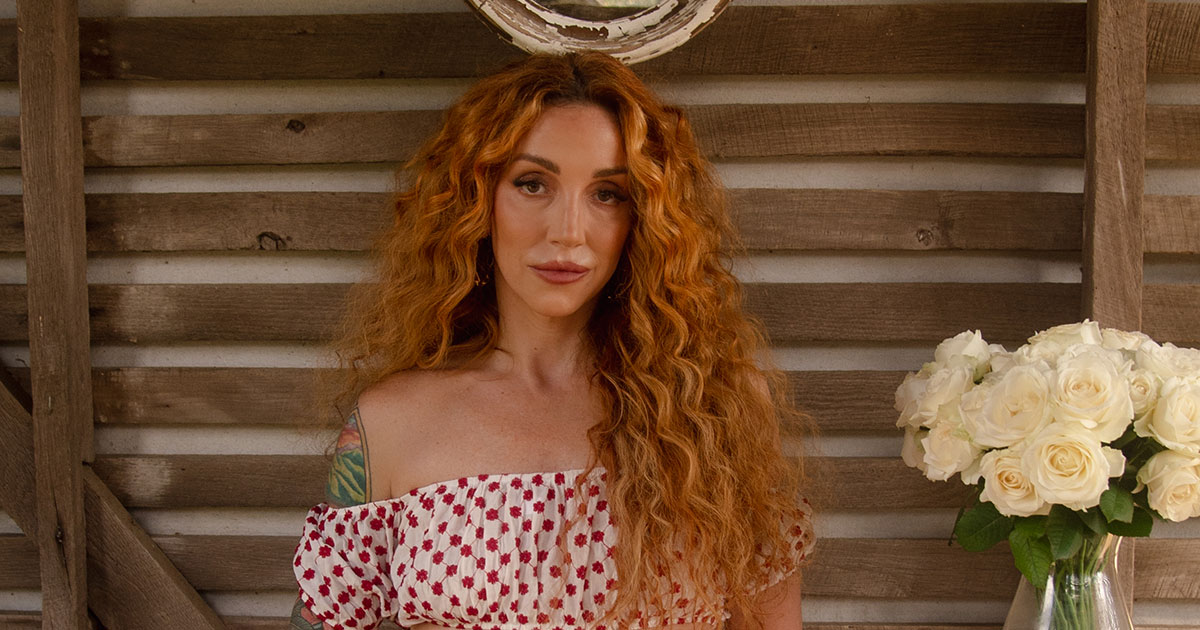
Country singer Ashley Monroe never expected a routine physical to change her life, but being diagnosed with Waldenström macroglobulinemia, a rare bone marrow cancer, taught her to trust her gut, ask hard questions, and take her health one day at a time.
Can you share what first led to your diagnosis and what that moment was like for you and your loved ones?
In April or May 2021, I had routine labs for a physical, and they showed I was anemic. I thought, “Okay, I’ll just eat more hamburgers or something.” That’s what everybody thinks when you’re anemic. But when I went back later that summer, my levels were really low. They tested my iron, folic acid, and B12, and all of those were great. That’s when they said, “We’re going to do a bone marrow biopsy.”
At first, I went to Tennessee Oncology, but I wasn’t feeling the vibe. Something in my gut said, “Go to Vanderbilt. Have all your doctors under one roof.” That was one of the first times I really tuned into my gut with my care.
When I got the biopsy, I actually saw my results on the patient portal before the doctor called. I was at a friend’s farm that weekend, logged in, and saw the notes: something plasma, lymphoma. I was like, “What is this?” It turned out to be a rare cancer in my bone marrow, Waldenström macroglobulinemia. Looking back, I can see how thin I was, losing hair from being anemic. My platelets and red blood cells were so low that my doctors worried about stroke risk. It was a lot to process.
What have been some of the most important factors in your treatment journey, whether in terms of medical care, support, or resilience?
They told me I needed six months of chemotherapy and immunotherapy. I was already so anemic, and the first few months just knocked me down. I needed blood transfusions, and I had to hunker down in “warrior mode.” I’d come home from chemo, sleep for a few days, then push myself to get up and move a little, even do Pilates, just so I didn’t feel the toxicity sitting in my body.
There was a low point after my second chemo. I was in the shower, my hair was falling out, and I felt so sick. I went into my closet, got on my knees, and felt a word come to me: surrender. I felt a presence next to me. That moment helped me hand it over — to faith, to spirit, whatever people believe in. That surrender gave me strength.
I also learned to advocate for myself. My doctor wanted me to do a bone marrow biopsy midway through treatment and again at the end. I asked, “If I do this biopsy, will it change the treatment plan?” He said no, it was just for numbers. I thought, “Then why put myself through more pain?” I decided against it, and he respected that. It was empowering to realize I didn’t have to do something just because it was standard. I could ask questions and make informed decisions about my own care.
What do you wish more people understood about blood cancers, from either a patient perspective or navigating the healthcare system?
Don’t assume it can’t happen to you. I only discovered mine because of routine labs, and blood cancers can be sneaky. Keeping an eye on your health really matters.
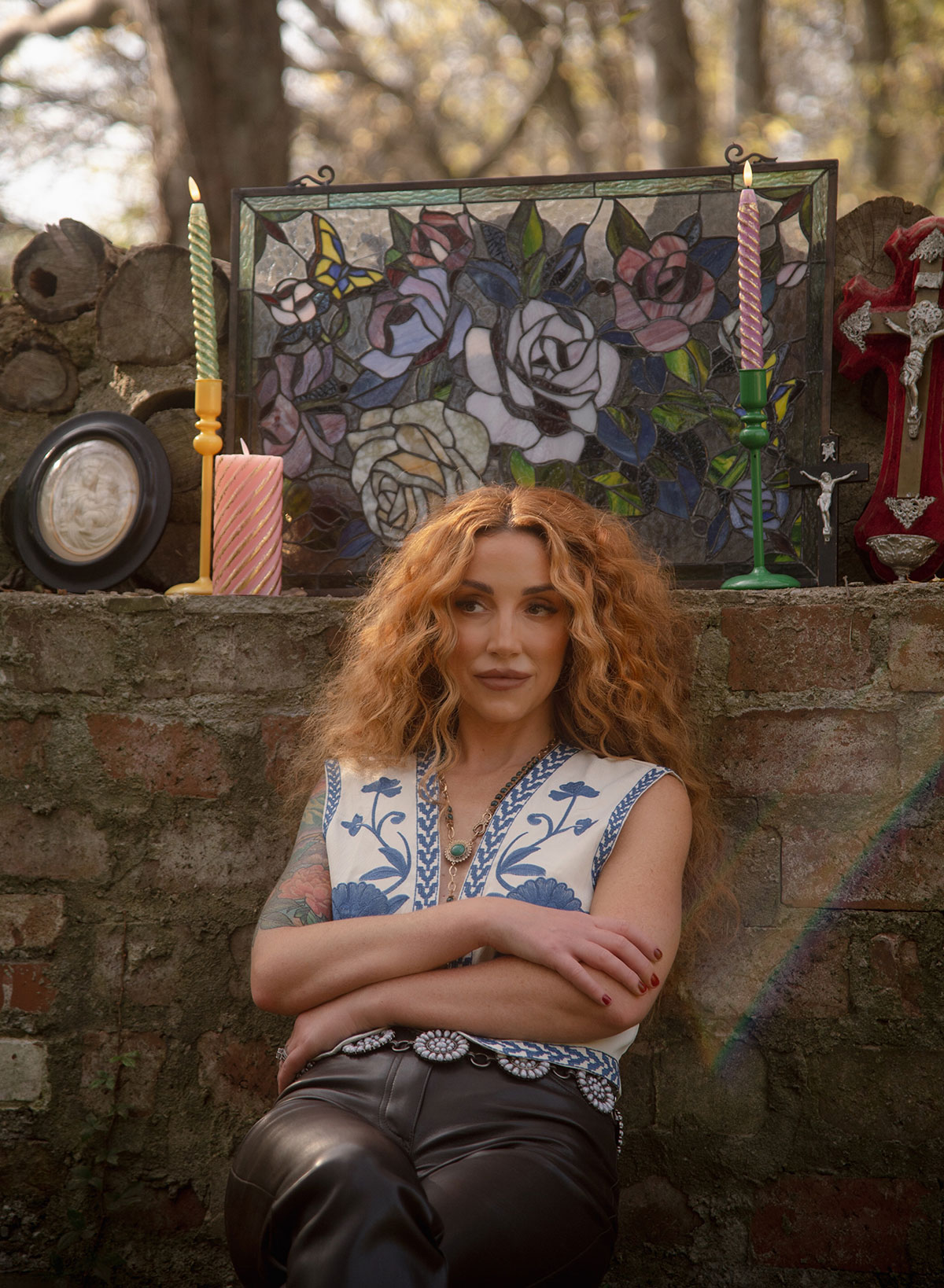
How has connecting with other patients, advocacy groups, or resources helped you along the way?
Organizations like the Leukemia & Lymphoma Society and the WM Foundation reached out to me, which was wonderful. But it was interesting — sometimes people assume you want to talk to others who’ve gone through the same thing. For me, I didn’t want too many other stories weighing on mine. I didn’t want to hear someone else’s outcome and then fear it would become mine.
I did look to see if there was anyone my age with this cancer, but there wasn’t. At that point, I thought, “Okay, my journey is just going to be my journey.” I leaned into prayer and into sharing my story publicly because I do think things happen in life to help other people.
Looking back, what have you taken away from this experience that you hope others might, too?
That we are stronger than we think. This made me so thankful for health. My doctors told me, “This type will never go away,” but I refuse to give it power. I don’t sit and dwell on it — except maybe the day I go in for labs.
I think about surrender, about trusting your gut, about asking questions. I learned that doctors will listen, that you can be an active participant in your care, and that hope and faith are powerful. Cancer has taken a lot from me, but sharing my story is one way I can give something back.
What message would you like to share with others who may just be starting their own journey with blood cancer or supporting someone through it?
Try not to think about the big picture all at once. It always helped me to take things a little at a time and give myself grace. If you’re with somebody who’s going through it, give them grace, too. Give yourself grace, because it’s hard and there are a lot of emotions, but it can be gotten through, just a little at a time.
