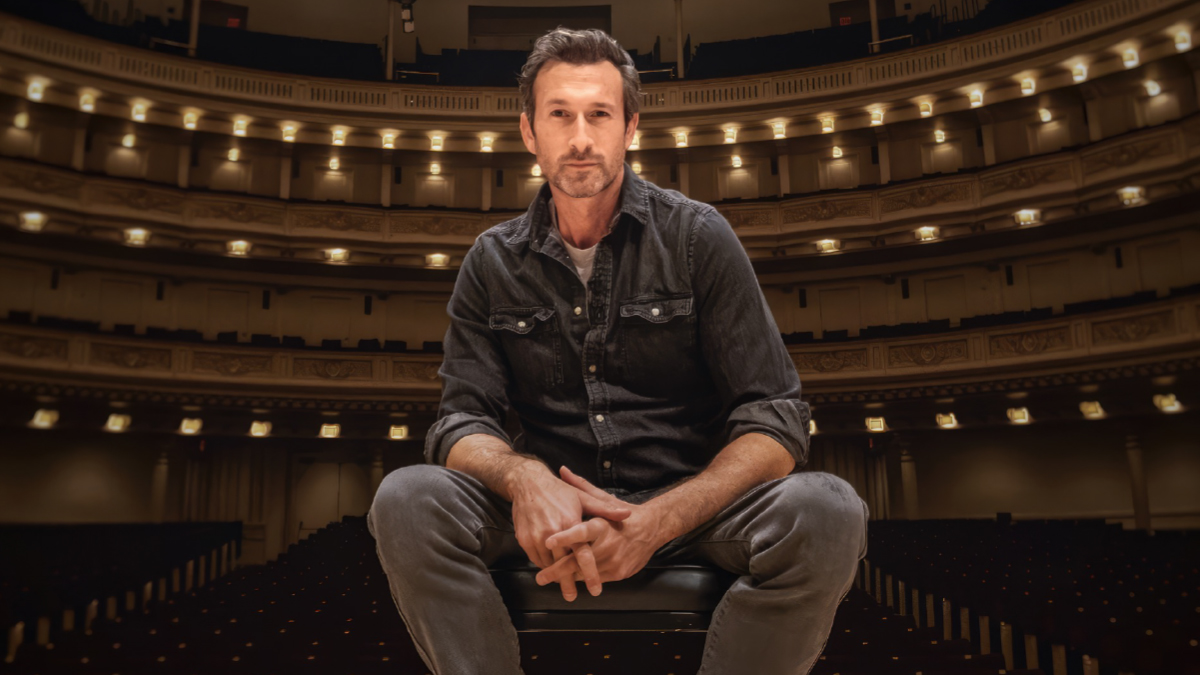
Broadway star Aaron Lazar shares how an ALS diagnosis transformed his life, leading to a Grammy-nominated album and a new mission in research.
How has living with ALS shaped your life and career, and what has it taught you about purpose, creativity, and resilience?
Before the diagnosis, I assumed ALS was a death sentence. Instead, despite suffering much loss, it’s been the opposite. In many ways, it’s been a life sentence.
The realities of ALS are brutal. In just a few years, I’ve lost significant weight, most of my muscle mass, and the ability to do many basic things without help. That’s the part people expect. What they don’t expect is what comes next.
From the moment I was diagnosed, I listened to a quiet inner voice that told me healing was possible. I didn’t know how, but I followed that whisper. The whisper of my soul. It sent me on a path to study the nervous system and healing through science and spiritual wisdom. Across disciplines and centuries, the message is the same: health is not just physical — it’s mental, emotional, and spiritual.
ALS became a catalyst for the end of an ego-based identity I’d lived for decades and the beginning of discovering and embodying my true authenticity and autonomy. The paradox is that this new version of me feels more like myself than ever before. A stranger once wrote to me, “What if there’s nothing to heal? What if this is about remembering who you really are?” That landed. In many ways, that’s exactly what’s happened.
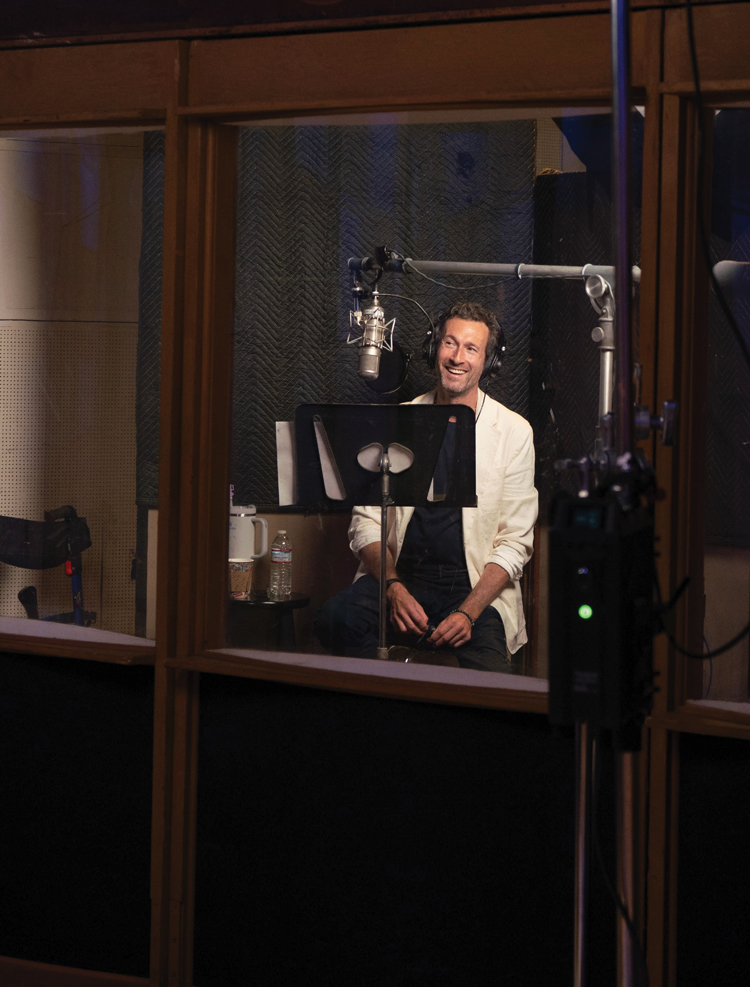
This journey has deepened my relationships with my children and my partner in profound ways. It’s also reshaped my career, leading to the creation of my debut album “Impossible Dream,” which earned me a Grammy nomination, and moving me from primarily acting and singing into keynote speaking, podcast hosting, and leading a company focused on ALS research through AI and data science.
It all circles back to a song I sang 25 years ago about believing in an impossible dream. That dream came true then. Today, the message has evolved — not just to dream the impossible, but to live it. We are far more powerful than we’ve been taught to believe.
ALS isn’t my teacher; it’s the catalyst — a catalyst for curiosity, urgency, and self-knowledge. “Know thyself” may be the most important idea we have. Purpose comes from that knowing. Creativity keeps me in the light. Resilience, I’ve learned, is listening to the soul when the mind wants to quit.
How did you adapt to mobility changes, including transitioning to a wheelchair, and what has helped you maintain independence?
I’m still adapting. Some changes are easier than others, and adaptation is ongoing. What helps most is love and support — from family, caregivers, friends, and even strangers who’ve connected through my work.
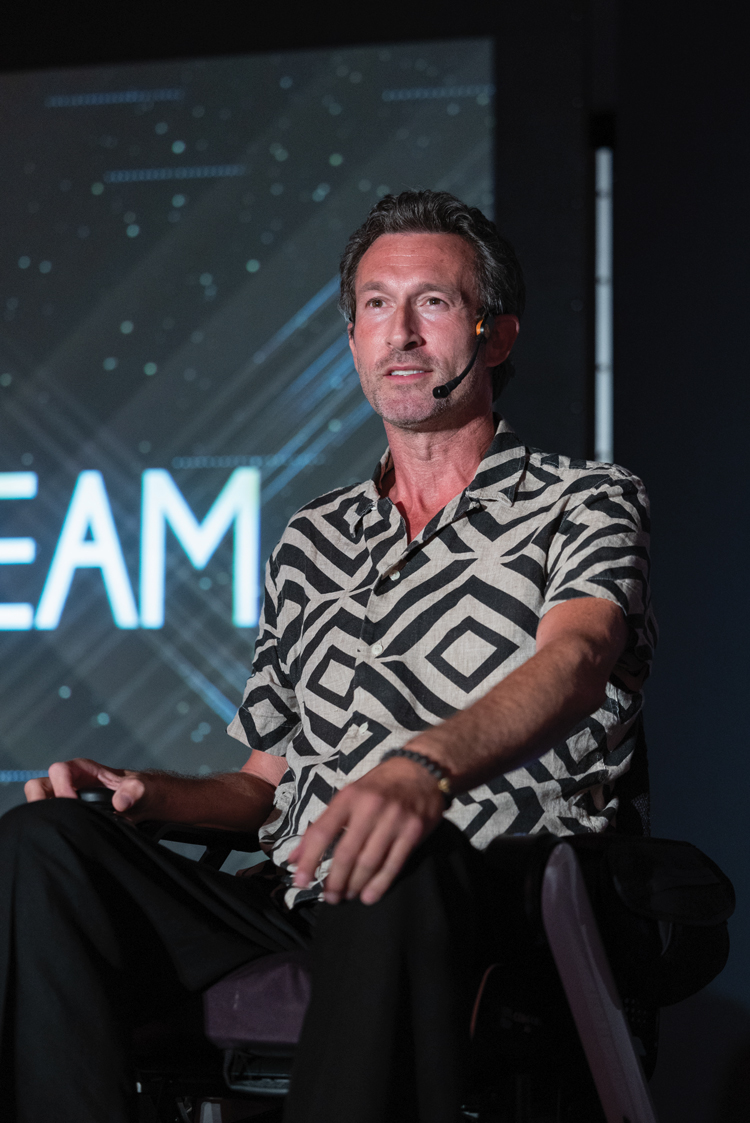
My transition to a wheelchair happened gradually. I’m now on my third one. It’s not easy sitting all day, but the chair also gives me independence. With the right modifications, it allows me to move through the world and get where I want to go.
In many ways, this stage of life has given me a rare gift: the chance to do deep inner work now, not at the end of life. Learning who I am and sharing that with others has become one of the greatest privileges I know.
What types of care or patient support services have been most helpful?
The ALS Network has been extraordinary. They provide real, hands-on support for patients and families, much of it free, and they’ve been champions of my work from the very beginning.
Having the right live-in caregiver is essential. Medical equipment providers matter, too. Sherman Oaks Medical and my clinical team have been attentive, compassionate, and instrumental in helping me get the equipment and care I need to live and work.
How has your experience shaped your perspective on early diagnostics, rare disease research, and advocacy?
It took nine months for me to be diagnosed — faster than many, but still far too long. Early diagnostics are critical, and rare disease research urgently needs more funding, not less.
I consider myself fortunate. I can still speak, sing, and write — abilities many people with ALS lose early. That reality drove me to co-found the Impossible Dream Machine, using AI and data science to accelerate ALS diagnostics, treatments, and cures.
From the beginning, my clarity has been simple: We need to flip the script on this disease. We need to offer hope. We need to remind people how powerful and resilient they really are.
Much of the healing we seek begins within. When we start to know ourselves and ask better questions, new possibilities open. My hope is to give others hope and to remind them that nothing is impossible.
