
Insights from people who have experienced cancer are essential to shaping health systems designed to deliver cancer services that are more inclusive, equitable, and responsive to real-life needs.
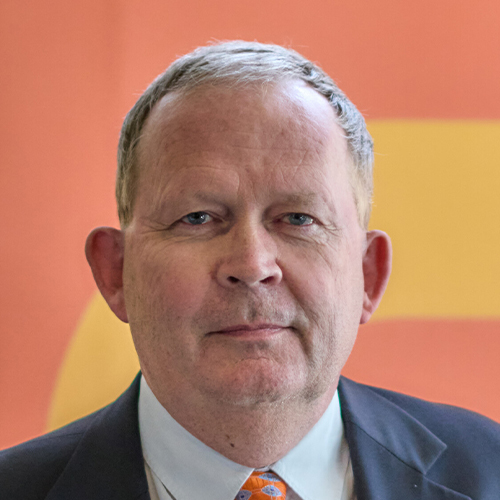
Cary Adams
CEO, Union for International Cancer Control (UICC)
People who have experienced cancer — as a patient, a loved one, a caregiver, and even as a health practitioner — know where the problems are because they’ve had to find ways around them. Their insights are essential to shaping more effective policies and services if we want cancer care to be more equitable, more effective, and more responsive.
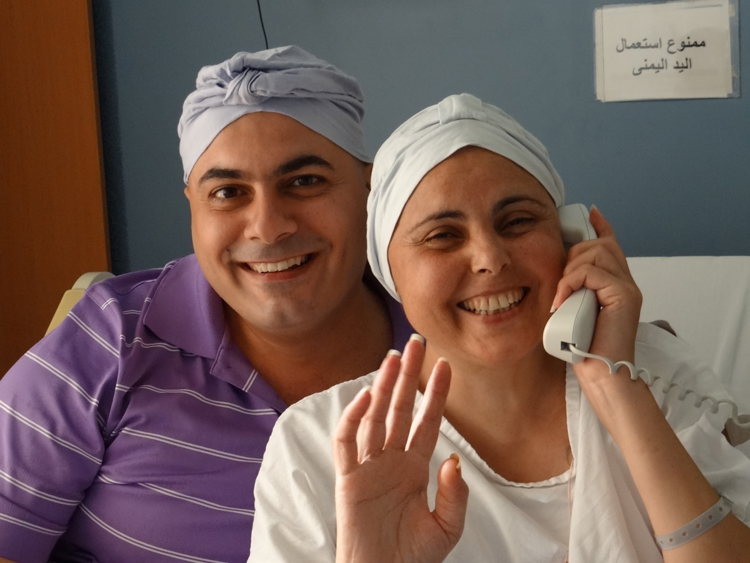
When Barbara Nassar was diagnosed with metastatic breast cancer in Lebanon, she and her husband Hani discovered that survival too often depended on financial means, not medical outcomes. “If you have money, you treat her,” a doctor told him. “If not, you stop — like the others.”
In response, the couple travelled across Lebanon in a caravan, gathering stories and signatures from others with similar experiences, and raising awareness of the lack of adult cancer support. Their petition reached the presidential palace. On Feb. 4, 2014, World Cancer Day, they established the Barbara Nassar Foundation, which now runs Lebanon’s first supportive care center for adults and contributed to the country’s national cancer plan launched in 2023.
In the United States, people with lived experience of cancer play an invaluable role in helping identify ways to deliver more effective care for all.
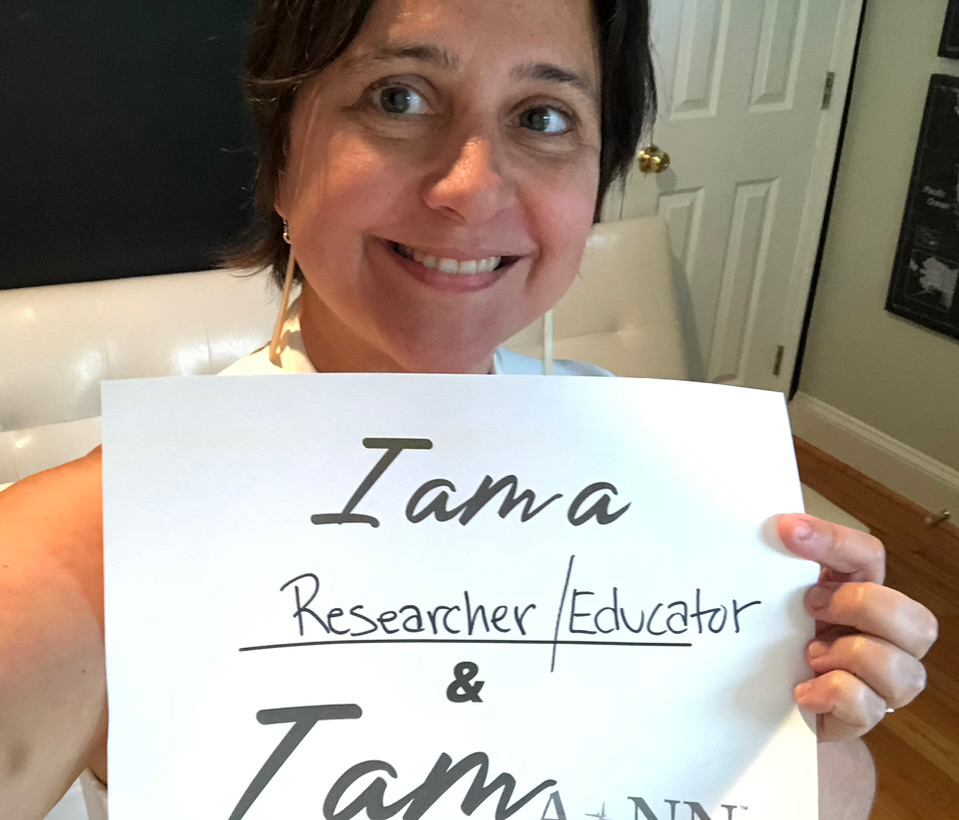
Researcher and advocate Mandi Pratt-Chapman, for instance, works with people across the LGBTQI+ spectrum to better understand their experiences of cancer care, and where and why the health system often fails to meet them: patients having to educate their own clinicians, feeling excluded from conversations about their own care, and facing bias and discrimination in everything from accessing screening services to survivorship planning.
From these experiences, Mandi has engaged with health workers and policymakers, and helped influence training standards and clinical guidance that support more inclusive, affirming care. She has worked with numerous colleagues to create recommendations for culturally affirming care, including many collaborations with the LGBTQIA+ Cancer Network.
These are just two among many examples of individuals and organizations working toward a more people-centered approach to care, looking beyond merely managing the disease to taking into account each person’s unique life situation.
I have met many of them in my 16 years as CEO of the Union for International Cancer Control (UICC), which has existed for over 90 years and boasts a global membership of more than 1,100 organizations. Every day, UICC staff members interact with them, working to help deliver more effective cancer care in all countries.
A people-centred approach to delivering health services isn’t about building customized care for each individual. It’s about recognizing that everyone brings a different set of needs shaped by who they are, their ethnicity, socioeconomic background, family and relationship situation, where they grew up, where they live, their financial means, and other socioeconomic and personal factors.
A system designed with these differences in mind means everyone can potentially access the care that they need, where and when they need it — which, in turn means better quality of care, improved quality of life, and greater chances of successful treatment.
For that, we need to know what these differences are and how they play out in the health system, and involve the people directly affected — people living with or who have experienced cancer — in designing policies and care to address them.
Over 600 people have shared their experiences on our World Cancer Day website and via the Upside Down Challenge, as part of the three-year “United by Unique” campaign promoting people-centered care, led by UICC.
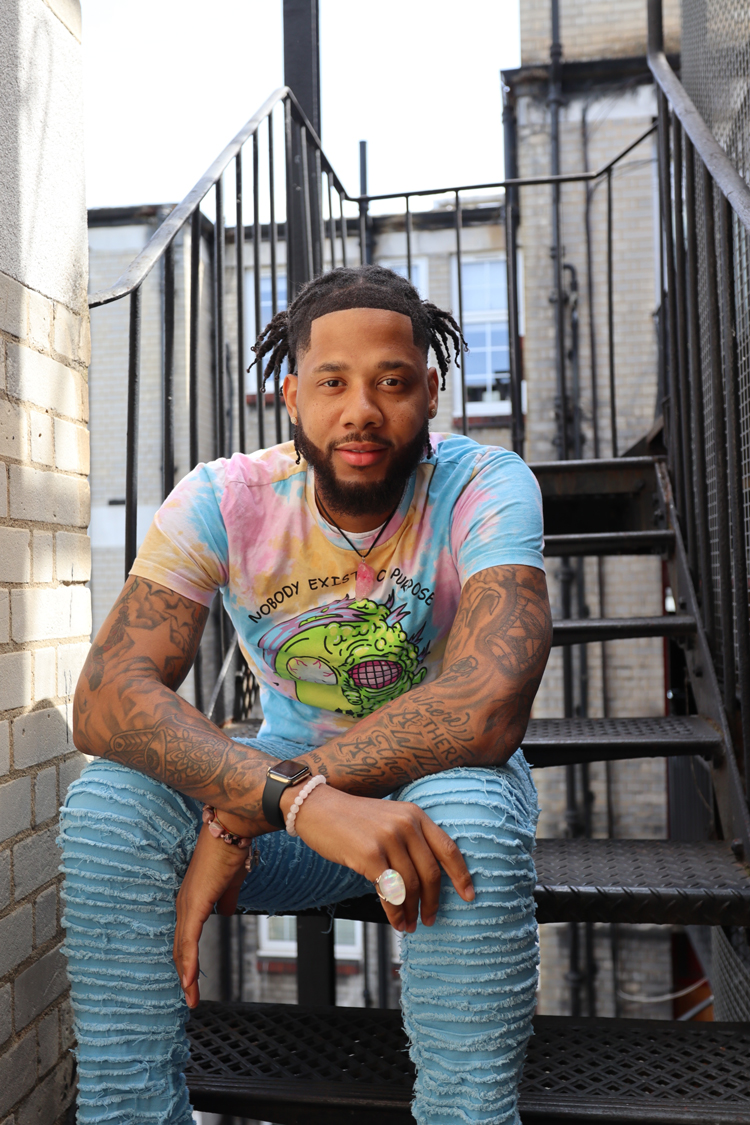
In one such story, Will describes how the lack of emotional and personal connection in cancer care left him feeling invisible during treatment for stage 4 cancer. A small moment of empathy from a nurse helped him reclaim his identity, leading him to found CancerBae, a UK-based charity focused on challenging stigma around cancer and empowering others through lived-experience storytelling and youth-led sports and community activations.
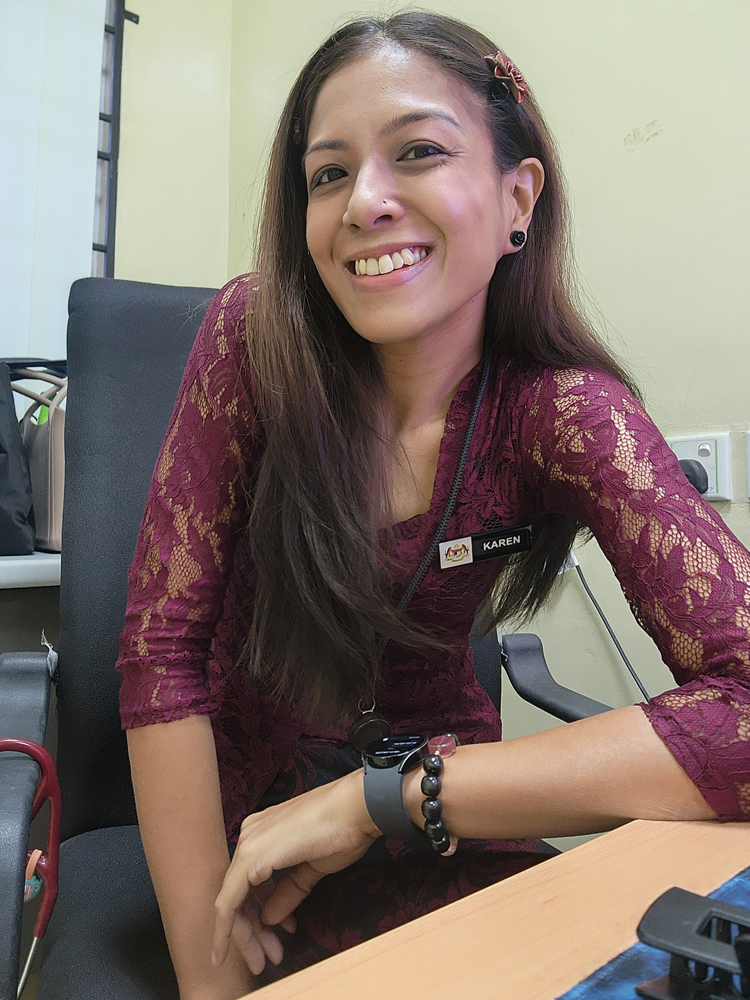
Or in rural Malaysia, Karen describes caring for a man with advanced prostate cancer who stopped treatment because the hospital was hours away. To address the same situation in its country, the Cancer Association of South Africa (CANSA) launched the Prostate Cancer Patient Navigation Project to offer men transportation to care centers as well as individualized guidance, from prevention and screening to treatment and supportive care.
This World Cancer Day, Feb. 4, I hope readers from all walks of life will take a moment to read some of these stories — and help turn what people are telling us into more effective cancer care for everyone.
