Hearing care is good for your health. Learn how to maintain this valuable sense, from testing to address questions to treatment using today’s smart tech.
Discovering a hearing loss can feel overwhelming, and I understand how tempting it is to put off taking action. But as an audiologist at the Center for Hearing and Communication, I know that treating hearing loss early protects more than your ears — it supports your relationships, independence, and even brain health.
The first step is a comprehensive hearing evaluation with a licensed audiologist. Screenings are fine for spotting concerns but often miss important details. A full evaluation gives us the clearest picture of your hearing. If you can, bring a family member or close friend — they often notice changes you might not, and their input helps us understand your everyday challenges.
Research shows untreated hearing loss is linked to social isolation, depression, and even cognitive decline. Early treatment makes adapting easier, strengthens communication, and helps you stay active.
Hearing care is never one size fits all. Find an audiologist who listens to your needs, explains your options clearly, and provides support beyond the first fitting. Be cautious of anyone selling devices without proper testing. And always check your coverage: Traditional Medicare doesn’t include hearing aids, though some Advantage and private plans do.
Today’s hearing tech: mini computers for your ears
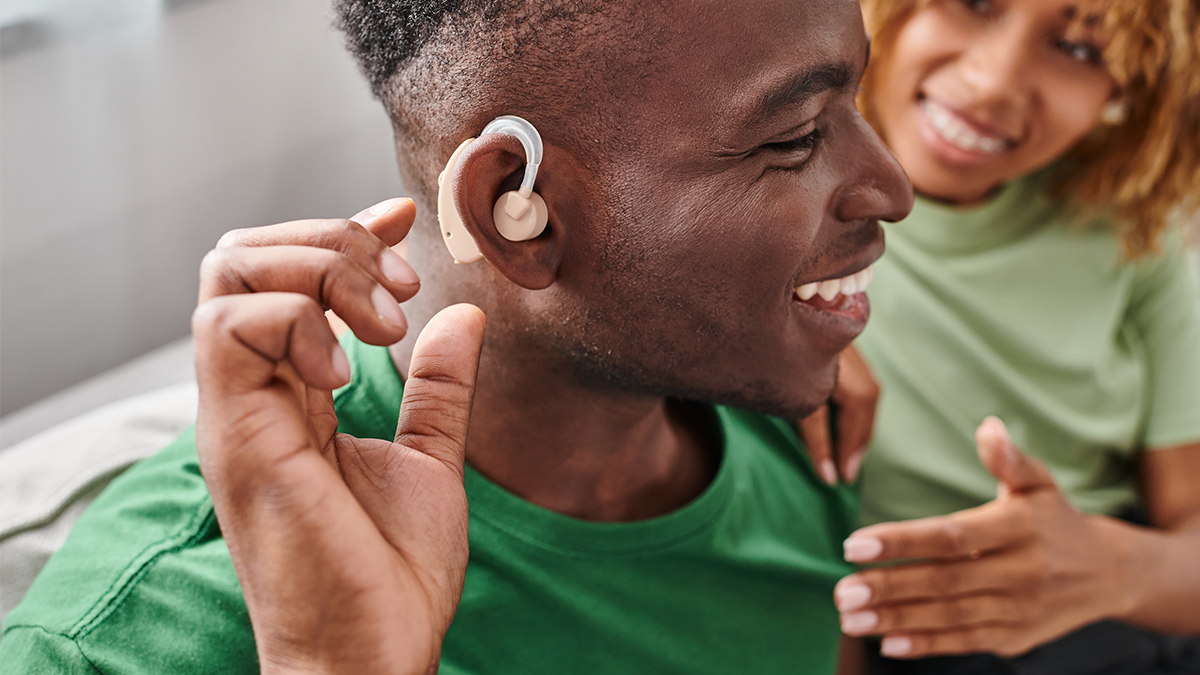
Forget what you may have heard about hearing aids in the past. Today’s devices are mini computers designed to make listening easier and more natural. They reduce background noise, adapt automatically to your environment, and stream calls, music, and podcasts. My clients at CHC are often surprised by the high-definition sound quality and the automatic features. Many recharge on the go, and some include tinnitus relief, water resistance, health tracking, and even built-in translation.
What else you need to know
The most important thing is that your hearing aids work for you. Ask your audiologist to measure how you are performing with your hearing aids. Testing can be done to assess this. Give yourself time to adjust. Your brain needs a few weeks to relearn sounds. Use the apps, experiment with programs, and jot down notes so your provider can fine-tune.
If you’re not wearing your hearing aids, something isn’t right. Don’t give up. Return for adjustments until they feel comfortable and effective.
If you want to try OTC hearing aids, remember they’re for adults with mild to moderate hearing loss and you can get help from an audiologist.
Remember, hearing aids don’t “cure” hearing loss, but they make listening easier and conversations more enjoyable. Extra tools — like captioning apps, amplified phones, or TV streamers — can make a big difference. Simple strategies matter too: Ask people to face you, reduce background noise, and rephrase instead of repeat.
The hardest part is getting started. Once you do, you may be surprised how much you’ve been missing — and how much more connected and confident you’ll feel.
