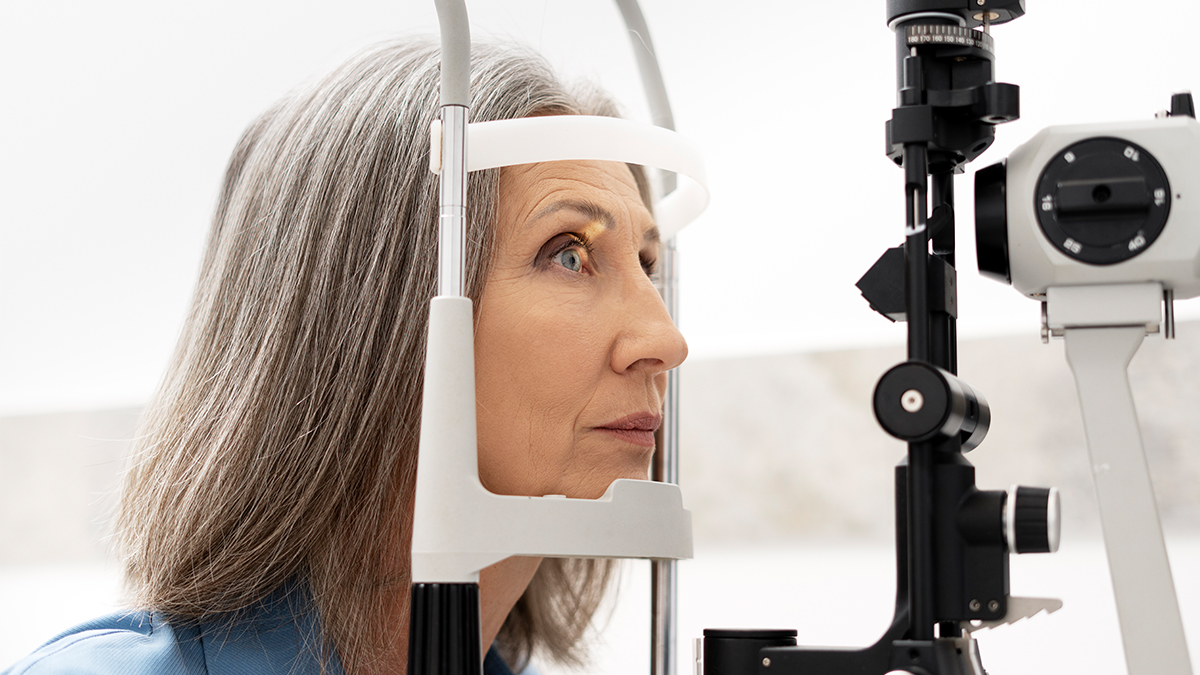
Understanding the causes and risks of cataracts can lead to treatment and management options that ultimately save permanent loss of eyesight.
What are cataracts?
Cataracts are a clouding of the eye’s natural lens. They usually develop with age, but they can also follow injury or prior eye surgery. Over time, cataracts typically worsen and can interfere with daily activities.
Common symptoms include:
- Blurred vision
- Light/glare sensitivity (headlights, bright sunlight)
- Double vision
- Difficulty seeing at night (trouble with night driving)
Visit an eye doctor if these symptoms are new, worsening, or affecting your daily activities.
Risk factors
While age is a common contributing factor, there are other risks that could lead to cataracts. Left untreated, cataracts can progress and may lead to future eye injuries or serious issues like blindness. The longer cataracts are left untreated, the more difficult it is to correct the issue.
You may be at a higher risk for cataracts if you are/have:
- Age 60+, family history, or diabetes
- Smoking or excessive use of alcohol
- High sunlight/UV exposure without eye protection
- Taking certain medications or have prior eye injuries
Prevention and healthy eye habits
While it may not be entirely possible to prevent cataracts, adopting a healthy lifestyle is one way to help promote healthy vision in the long term.
- Wear UV-blocking sunglasses
- Quit/limit smoking and alcohol
- Mange blood sugar levels if you currently have diabetes
- Eat foods rich in Vitamins C and E (citrus fruits, bell peppers, broccoli, peanuts, and green leafy vegetables) and foods that contain lutein and zeaxanthin (spinach, kale, green peas, egg yolks, and sweet corn)
- Schedule routine eye exams with your eye doctor to catch signs early
Early detection is key
To manage early signs of cataracts, increase lighting and reduce glare in environment, use anti-glare sunglasses and magnifiers for reading, and update glasses and contacts prescriptions as needed.
Cataract surgery is the only effective treatment for cataracts. The surgery removes and replaces the damaged eye lens to help restore vision and usually requires a minimum recovery time of a few weeks. Most people experience clearer vision and a short recovery. Discuss lens options, risks, and timing with your eye doctor, and if you choose to wait, keep regular follow-ups to monitor changes.
Healthy habits and regular exams will protect your vision. If cataracts begin to interfere with daily activities, talk with your eye doctor about when surgery makes sense for your goals and lifestyle. Try to avoid delaying this surgery as cataracts can worsen over time, especially if you fall into any of the risk categories.
