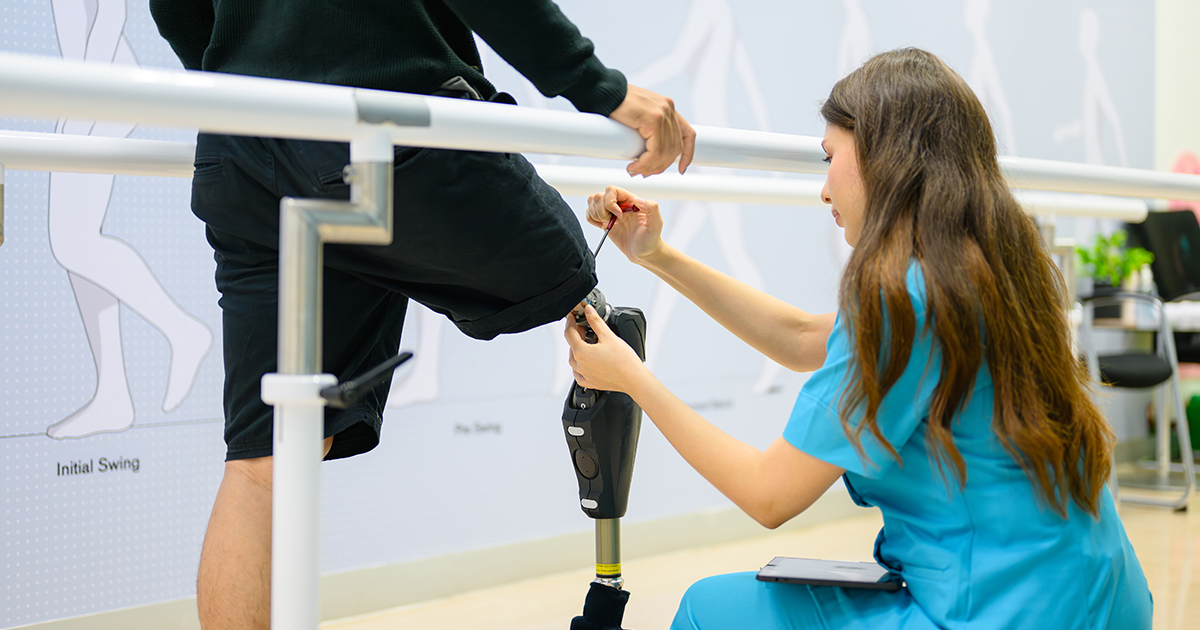
Engaging people who have disabilities in research and marketing are essential for creating solutions that work for everyone, because problem-solving for a multitude of needs from the start prevents costly retrofitting and exclusion criteria.
Shree H. Thaker
Director of Communications & Partnerships, Amputee Coalition
People who have disabilities are the largest minority population, with approximately 1 in 4 adults in the United States having reported having a disability in 2022 per the U.S. Center for Disease Control and Prevention (CDC).
There are many causes of amputation, ranging from diabetes to cancer to war injury and more, as well as the many conditions that need to be treated and managed post-amputation and the many causes of congenital limb differences from umbilical cord and genetic complications. The health intersections and conditions of each individual vary drastically. Diabetes, obesity, infection, antimicrobial resistance, sepsis, amputation are common comorbidities that account for only one of the many health intersections an individual may have and conditions they may need treatment and support for.
Solving problems for everyone
Innovation and creativity through a lens of universal design results in designs that are beneficial to the majority of people. One example of this is sidewalk curb cutouts that were meant for wheelchairs, but became a convenience for rolling luggage, strollers, and delivery carts. Another is voice assistants and speech recognition which were created for people who have mobility and vision impairments, but tools like Siri, Alexa, and Google Assistant have become a mainstream convenience for hands-free texting and controlling smart homes.
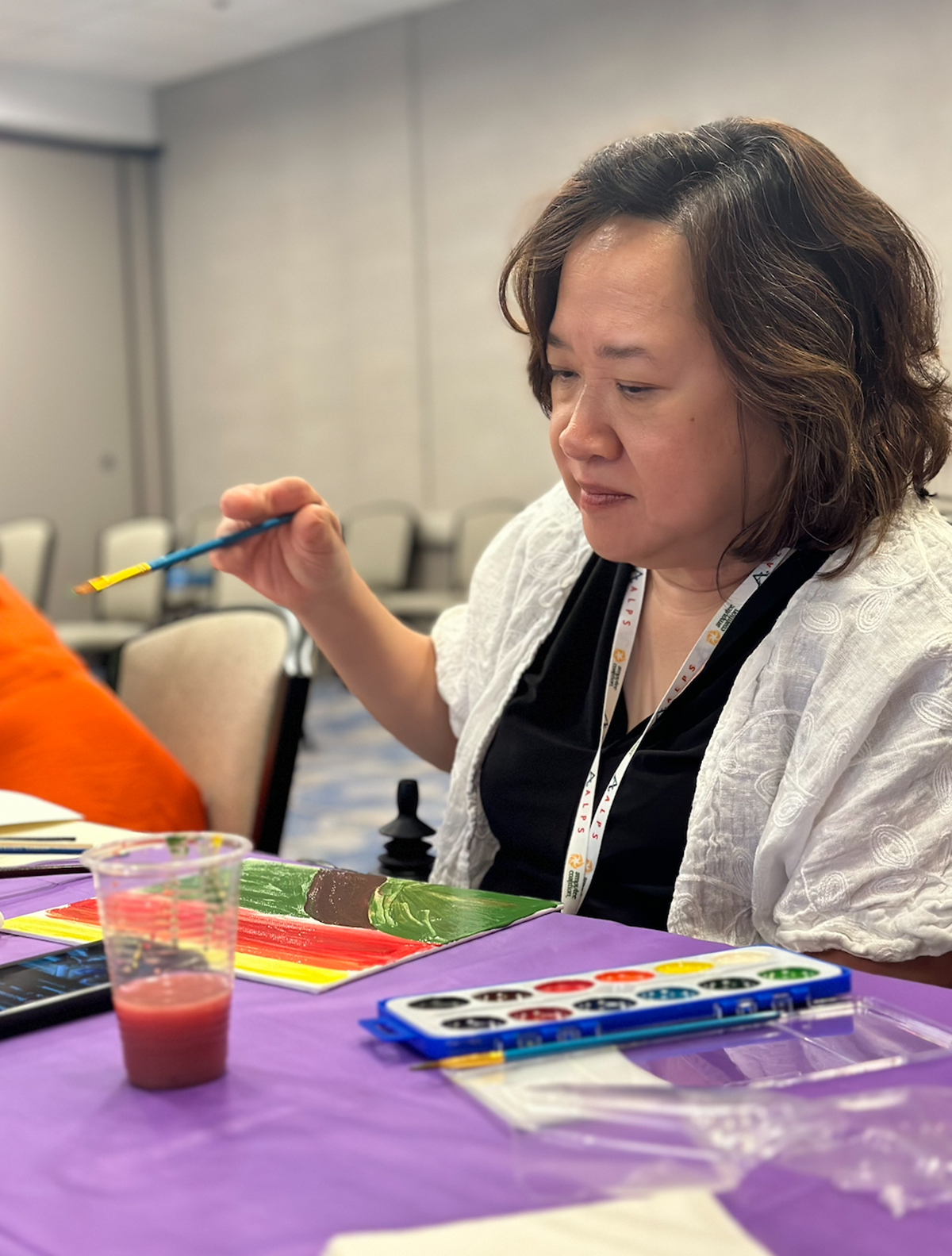
Scientific research goals are designed to test a hypothesis to address and solve a problem, yet people from a wide range of variables need to be included in order for solutions to work for the wide range of needs people have.
People often say it is hard to find participants who meet the various needs of a study being conducted or a marketing deck that is being designed. However, what we find is our community members, people who have limb loss and limb difference, are often unaware of what opportunities there are and how to participate.
If they are not being marketed to from both the upstream of conducting research and the downstream of advertising trials, treatments, and products, they will continue being excluded and the research and marketing efforts will fail to resonate for a significant portion of the population.
Ethical and inclusive research
Education of research processes is necessary so that historical malpractices such as the extraction of what are now commonly known as HeLa cells from Henrietta Lacks and the suffering and death of Tuskegee syphilis study participants are not the only research frames of awareness an individual has.
When participants are not ethically engaged and ethics for active and future research are not transparent, there is reasonable apprehension to participate. Language and verbiage such as “participant” versus “test subject” also shape the narrative of cultural awareness, ableism, and humanity.
Partnering with trusted organizations and groups to educate and engage communities who are not commonly included, such as reaching individuals who have limb loss and limb difference through the Amputee Coalition Volunteer Research Opportunities platform, extends trust, ensures transparency, and improves outcomes.
Providing compensation can also be a way to include participants who come from lower socioeconomic backgrounds, as taking time off of work or finding alternate caregiving solutions can be a financial burden. Research that takes place in rural or virtual settings also opens up opportunities for participants from a wider breadth of backgrounds. These are some ways in which research and marketing could include people who have disabilities, unique health comorbidities, and various needs.
