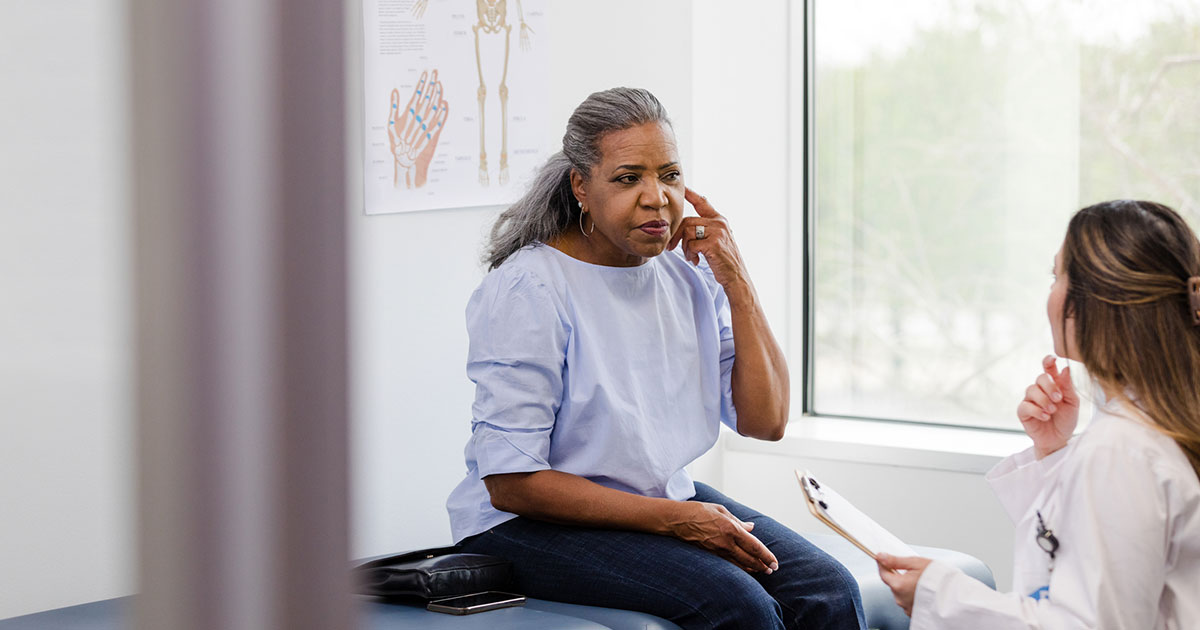
Healthcare facilities often struggle to accommodate patients with hearing loss. This article underscores the urgent need for better accessibility and patient-centered communication.
I recently visited an outpatient center for surgery. I have cochlear implants and use external processors in both ears. Without them, I am completely deaf. I do not use sign language, but I can lip-read. Due to the location of the treatment area, I was unable to wear my processor on my dominant left ear. I could still hear some sounds through my right side and understand a bit of speech by lipreading, but it was far less reliable.
It became nearly impossible when staff wore masks. Once they realized I was struggling, some lowered their masks so I could lip-read. Even though I explained that I am hard of hearing, it wasn’t always understood until every other attempt at communication had failed. These frustrating moments show how unprepared many facilities remain when it comes to supporting patients with disabilities.
Preparing for your visit
If you’re visiting a facility for the first time, it’s a good idea to contact them in advance. Ask about check-in procedures, share any accessibility needs, and explain what accommodations will help. On the day of your appointment, plan to arrive early to allow for delays, such as parking or long check-in lines. Giving staff advance notice makes it easier for them to assist you.
Advocating for yourself
One mistake I made was not telling the staff in advance about my hearing disability. It’s difficult to explain your needs while being moved through rooms and procedures. Staff may acknowledge your explanation, but that doesn’t mean they fully understand it. Healthcare workers are trained to manage patient needs, but they are only human and may not grasp the full reality of your lived experience.
Bringing a caregiver, family member, or friend can help. A companion provides both emotional support and assistance with communication, especially when instructions for follow-up care are given. Some facilities restrict companions to waiting areas. Be sure to ask ahead, as exceptions may be made if you communicate your specific needs.
Accessibility beyond mobility
The Americans with Disabilities Act requires medical offices to be accessible for people with mobility issues, to provide equal access, and to make reasonable accommodations when needed. While mobility needs are widely addressed, less visible disabilities — such as deafness, blindness, or neurodivergence — also deserve equitable access. Ensuring accessibility means looking beyond ramps and elevators to meet the needs of all patients.
After your visit
Many medical offices send follow-up surveys. This is your opportunity to share feedback on what worked and what didn’t. By suggesting changes on how they can improve accessibility or adjust their processes, you can help better support patients with disabilities in the future.
True accessibility means more than meeting minimum standards; it’s listening and treating patients with dignity. Inclusion isn’t optional; it’s essential.
Ability Central works to advance communication access and inclusion for people with disabilities. Learn more about our initiatives and resources at AbilityCentral.org.
