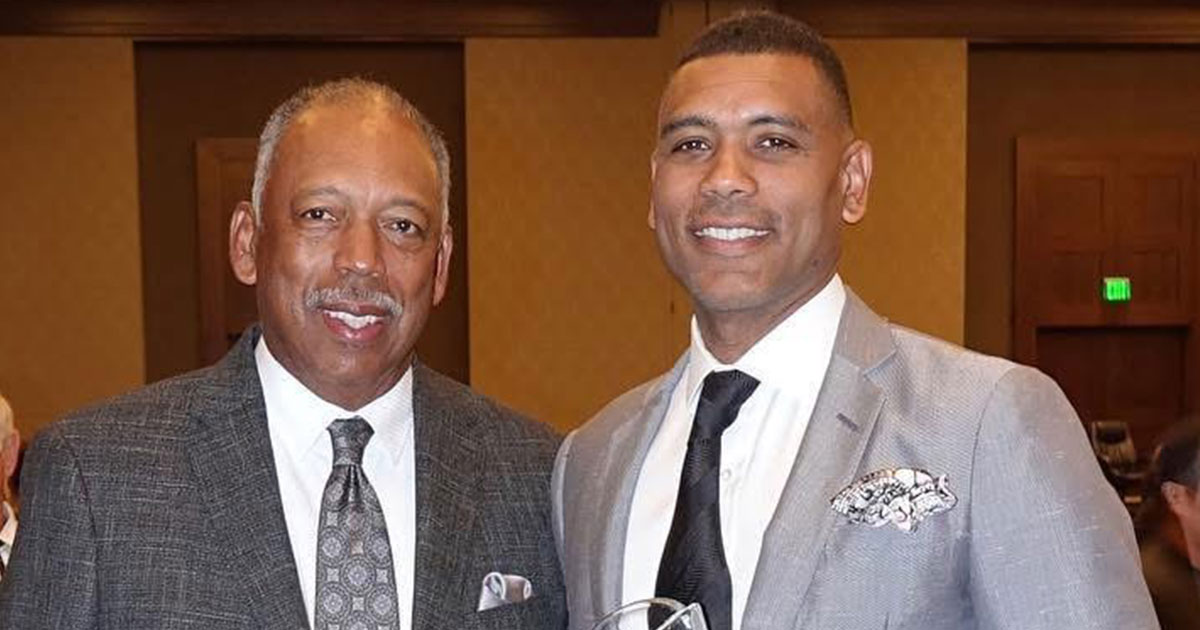
NBA All-Star and ZERO Prostate Cancer Board member Allan Houston and his dad, Coach Wade Houston, talk about their experiences with prostate cancer and discuss why open conversations about men’s health can save lives.
Why is it important that we continue to talk about prostate cancer?
Allan Houston: It’s a disease that affects African American men at a higher rate, given that we are 70% more likely to be diagnosed with it. So it’s important to understand that early detection can prevent a lot of the medical challenges that happen once it’s discovered. Getting tested early by the right professional is critical to living a full and healthy life if you are diagnosed.
Coach Wade, when you were first diagnosed with prostate cancer, how much of your journey did you share with your son?
Wade Houston: Everything, because that’s how we’ve always been as a father and son. It made us that much closer. As African American men, we tend not to share medical issues with family members and friends, and that’s the worst thing you can do because you need that support. Especially when you have a son like Allan, it was so easy for me to share with him and let him know that he had to get checked, since this disease is hereditary. I wanted him to be aware and get himself checked.
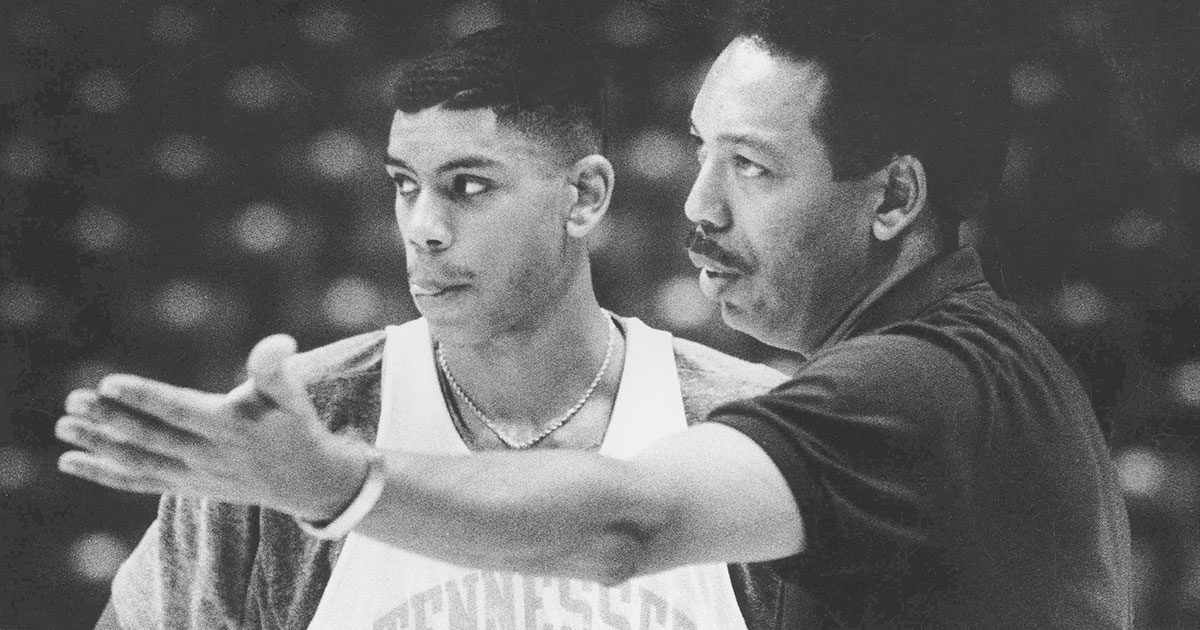
Allan, did you start doing PSA screenings because of your father’s diagnosis?
AH: I was doing a lot of screenings, but I had a heightened awareness of when my prostate-specific antigen levels (PSA) started to go up. When he was diagnosed and going through the treatments, the thing that really stuck out to me was his willingness, commitment, and dedication for all of us. Thirteen years later, when I got diagnosed, we talked about all the layers of prostate cancer. You really don’t understand the mental, emotional, and spiritual dynamics that come into play until you go through it yourself.

How can we continue having an intergenerational discussion and break down barriers that Black men face when talking about their health?
WH: I think it’s important to educate Black men about the fact that we’re all susceptible, not only to prostate cancer, but also to other diseases. We can’t be afraid to share experiences, because for such a long time, it was taboo for Black men to talk about these things. As a strong Black man, you didn’t go to the doctor a lot, and you didn’t share what happened to you. We need to continue educating Black men that prostate cancer is a disease that’s curable and can happen to a lot of people, and it’s nothing to be ashamed of. I think the thing that scares most men is the process of checking it, because it’s an invasive process. But you have to say, “I don’t care about that; this is about me and is for my kids.”
What advice do you have for loved ones of men recently diagnosed with prostate cancer?
AH: It’s a very vulnerable time for a man to be in this position. Making sure that your partner feels supported, strengthened, and lifted up when he feels down is one of the most important parts of the recovery process. One of the reasons that this is so meaningful for me is that it represents multi-generational care and leaving an eternal legacy. We have to perpetuate that so that other fathers and their children can have the tools and strategies moving forward as they have open conversations about these things. When you’re talking about health and prostate awareness, speak to your legacy.
